Newsletter
Join the Community
Subscribe to our newsletter for the latest news and updates

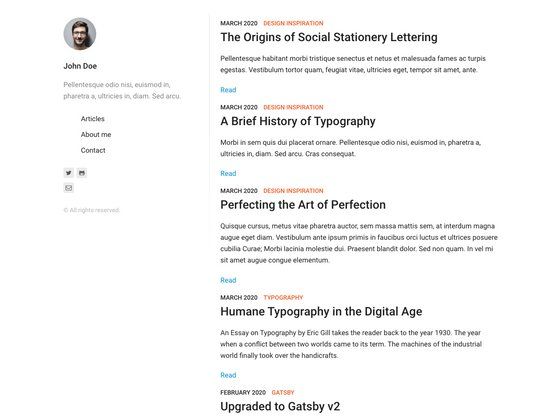
Official Gatsby default starter for creating React-based static sites with Gatsby's standard configuration files.
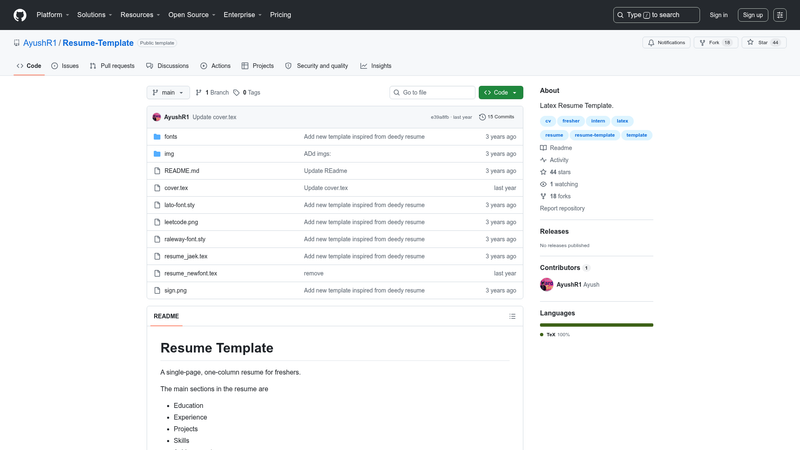
A single-page, one-column LaTeX resume template for freshers, based on Jake's and sb2nov's designs.
Minimal mobile-first blog starter using Scully (Angular) and Kontent headless CMS, deployable to Netlify.
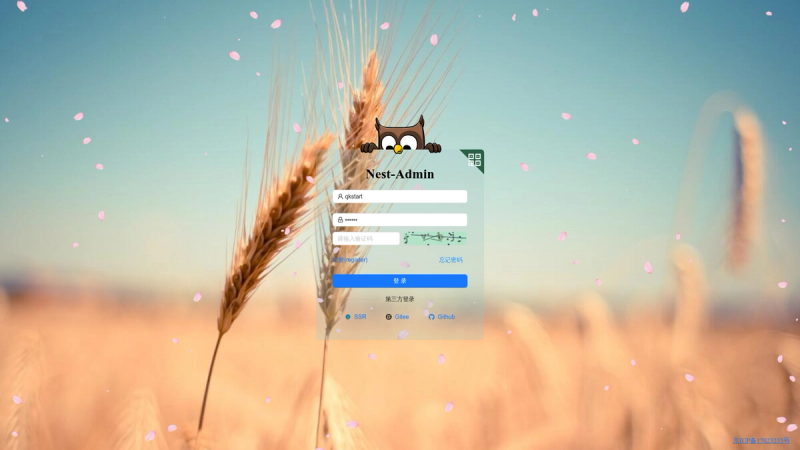
A general admin management system built with React, Ant Design, Nest.js, and MySQL. Continuously updated.
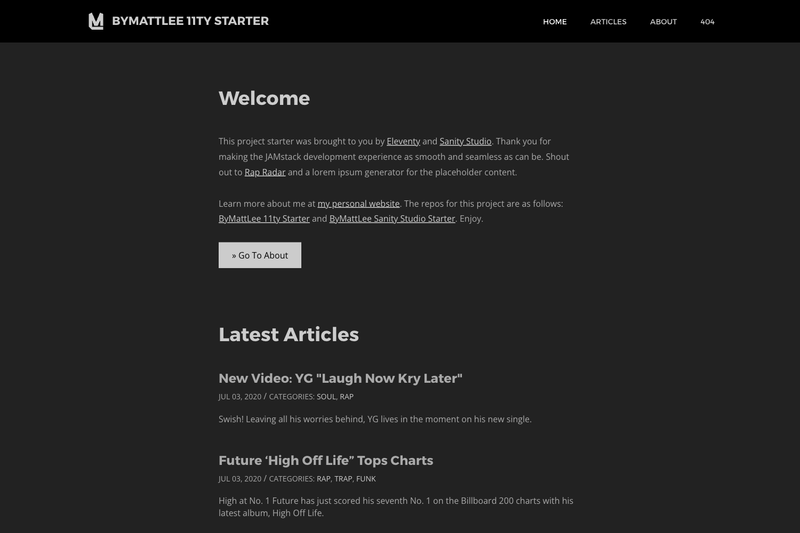
A starter boilerplate powered by 11ty, Sanity, Gulp, Tailwind CSS, rollup.js, Alpine.js and Taxi.js.
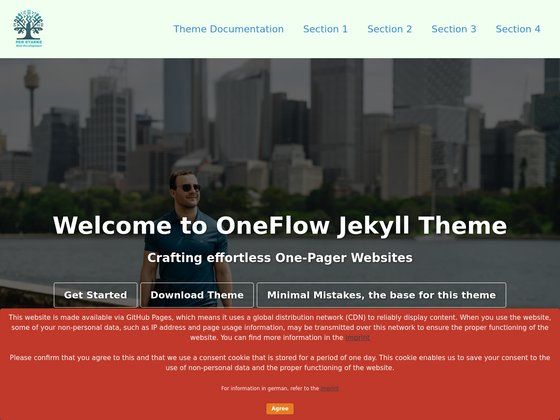
Jekyll Theme to easily create stunning & practical One-Pager Websites
Gatsby Default Starter is the official boilerplate for building React-based static sites with Gatsby, providing the minimal configuration files needed to start a new project.
Gatsby Default Starter is the official minimal starter template for Gatsby, a React-based open source framework for building static sites. It ships with the main Gatsby configuration files — gatsby-config.js, gatsby-node.js, gatsby-browser.js, and gatsby-ssr.js — plus a src directory for front-end code and standard project files like package.json and .gitignore. Running it produces a new Gatsby site with a homepage at src/pages/index.js that you can edit with live reload.
You create a site by running gatsby new my-default-starter https://github.com/gatsbyjs/gatsby-starter-default. Navigate into the directory, run gatsby develop, and the site runs at http://localhost:8000. Edit src/pages/index.js and the browser refreshes automatically; open http://localhost:8000/___graphql to experiment with GraphQL queries.
Yes. The starter is released under the 0BSD license, and Gatsby itself is an open source framework. You can use the starter for any project without licensing fees.
The starter includes gatsby-config.js, gatsby-node.js, gatsby-browser.js, and gatsby-ssr.js, plus package.json, .gitignore, LICENSE, README.md, and a src directory for your front-end code.
Run gatsby new my-default-starter https://github.com/gatsbyjs/gatsby-starter-default with the Gatsby CLI installed, then cd into the directory and run gatsby develop.
GraphiQL is accessible at http://localhost:8000/___graphql while developing. It lets you explore the Gatsby data layer and write GraphQL queries against your site's content.
Yes. The README includes a one-click deploy button for Gatsby Cloud, which builds, deploys, and hosts the site on Gatsby's edge network.