Newsletter
Join the Community
Subscribe to our newsletter for the latest news and updates

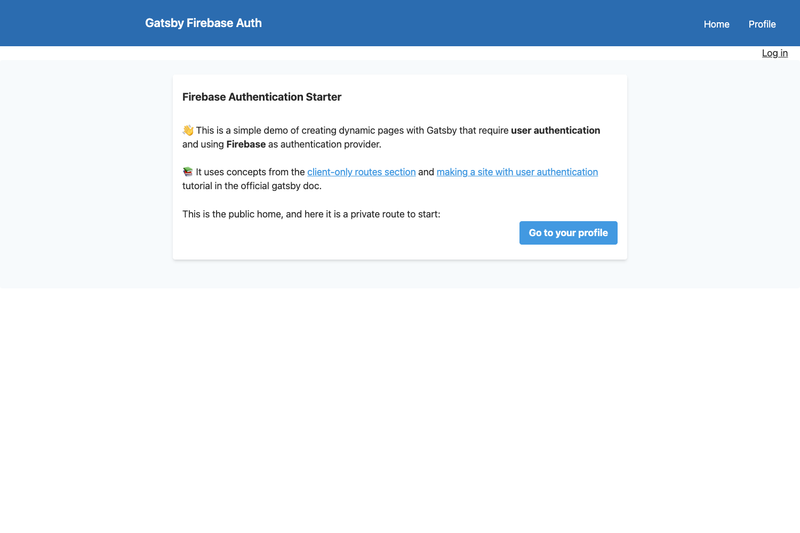
Gatsby Starter with Firebase simple auth workflow and private routes
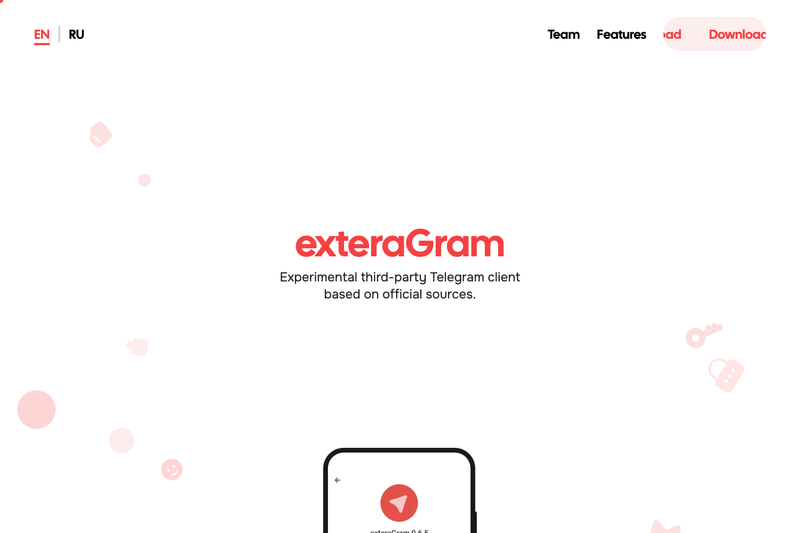
Source code of the official exteraGram website — a landing page built with Next.js 13 (App Router) and Tailwind CSS.
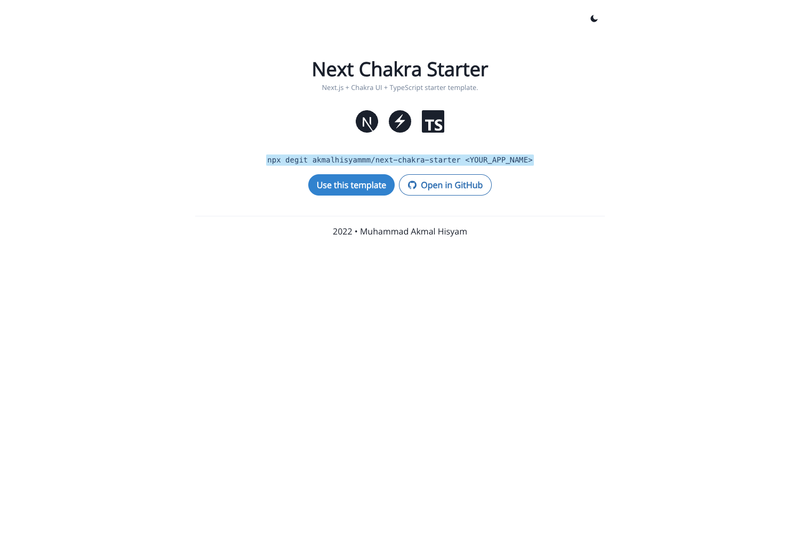
Next.js + Chakra UI + TypeScript starter template with API routes and Vercel deployment.
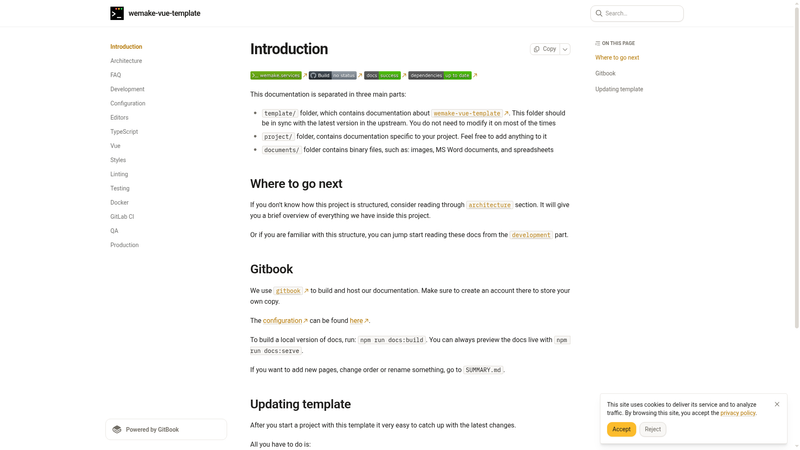
Bleeding edge vue template focused on code quality and developer happiness.
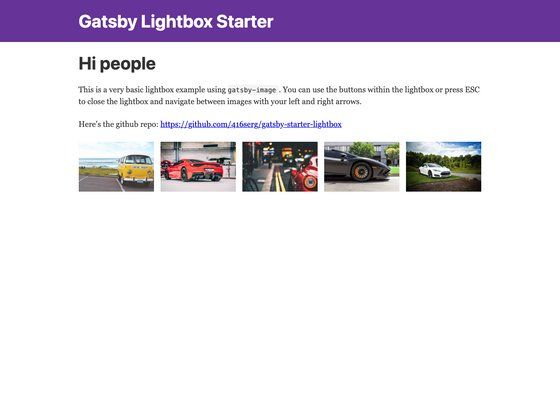
Gatsby starter with a custom image lightbox built on gatsby-images, on-screen controls, and keyboard navigation (ESC, arrows).
A one-click starter project pairing minimal Next.js v12 with instant Netlify deployment.
Gatsby Firebase Authentication Starter is a Gatsby starter that implements a complete authentication workflow with Firebase as the auth provider, including client-only private routes.
The Gatsby Firebase Authentication Starter is a project template for Gatsby that demonstrates how to add Firebase authentication and private, client-only routes. It takes a Firebase project configuration (API key, auth domain, database URL, project ID, storage bucket, messaging sender ID, app ID) through environment variables, and produces a Gatsby site where unauthenticated visitors see static pages while logged-in users can access protected content under the /app/* path. The starter is shared as an open-source project on GitHub and follows the official Gatsby documentation for client-only routes and user authentication.
gatsby-plugin-create-client-paths to serve all private routes under the mysite.com/app/* path client-side, so they are not pre-rendered as static HTML..env.development and .env.production./app/* subtree is treated as dynamic client-only..env.sample file to copy, and includes GATSBY_ prefix guidance for variables that need to be exposed in browser-side JavaScript.gatsby-plugin-create-client-paths combine to control access..env.sample to .env.development and .env.production in the project root.npm install and gatsby develop./app/* is handled by the client-side router, which redirects logged-out users to the login page.Yes, the source code is publicly available as a Gatsby starter on GitHub, and all contributions are welcome. There is no mention of a paid license in the repository.
It replaces the work of manually setting up Firebase authentication, client-only routes, and redirect logic from scratch in a Gatsby project.
Copy .env.sample to .env.development and .env.production, then fill in your Firebase project's API key, auth domain, database URL, project ID, storage bucket, messaging sender ID, and app ID. Variables that must be available in the browser need the GATSBY_ prefix.
Yes, the starter uses gatsby-plugin-create-client-paths to whitelist the private routes, and the private dynamic pages are located under the mysite.com/app/* path.
They are redirected to the login page. When a logged-in user visits, the private content is shown.