Newsletter
Join the Community
Subscribe to our newsletter for the latest news and updates

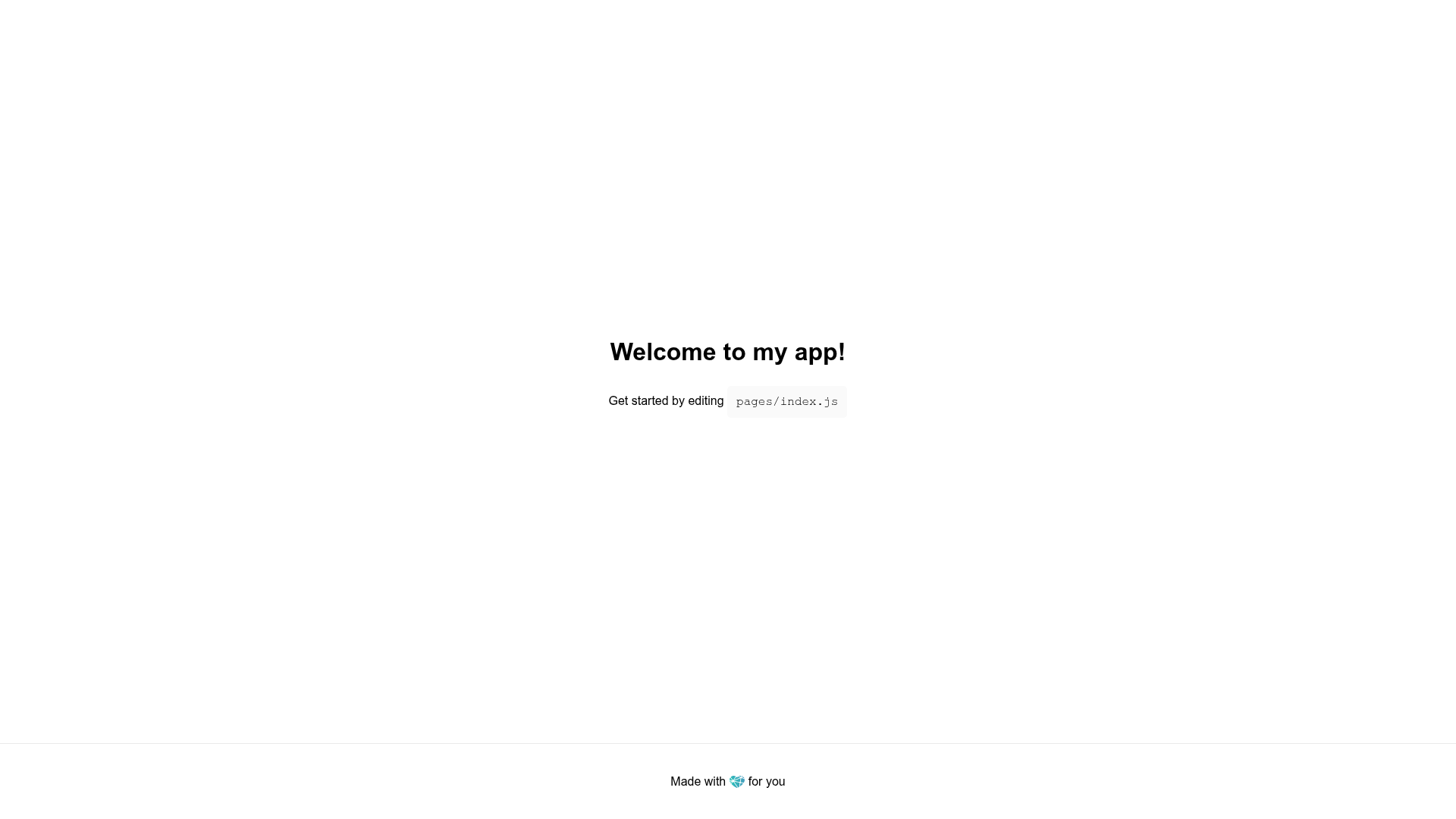
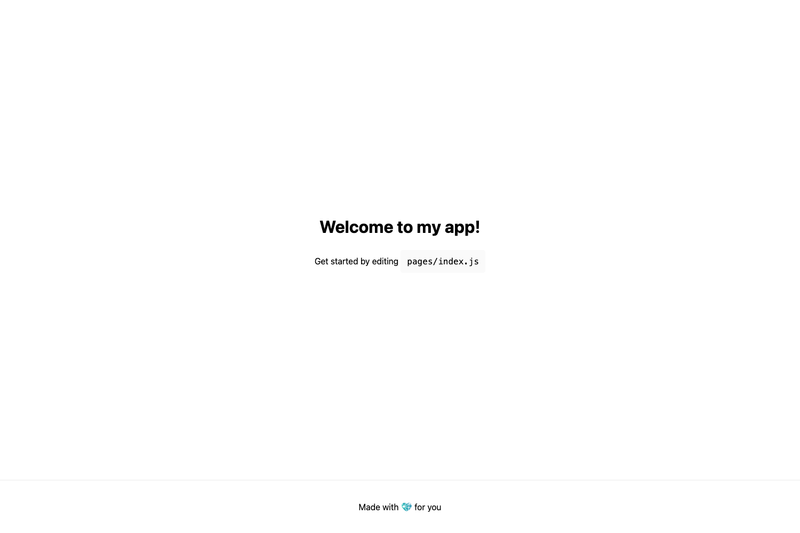
A one-click starter project pairing minimal Next.js v12 with instant Netlify deployment.
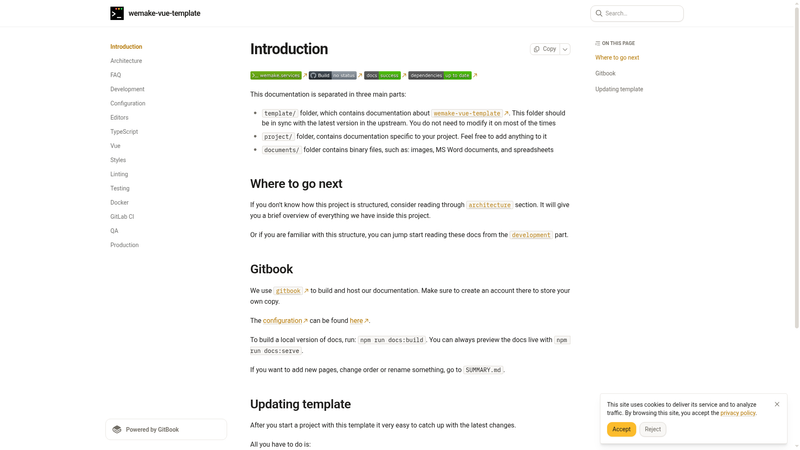
Bleeding edge vue template focused on code quality and developer happiness.
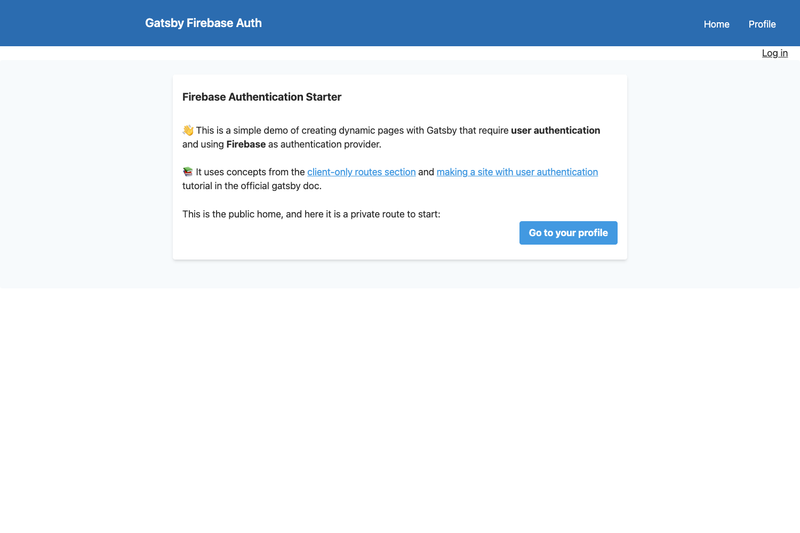
Gatsby Starter with Firebase simple auth workflow and private routes
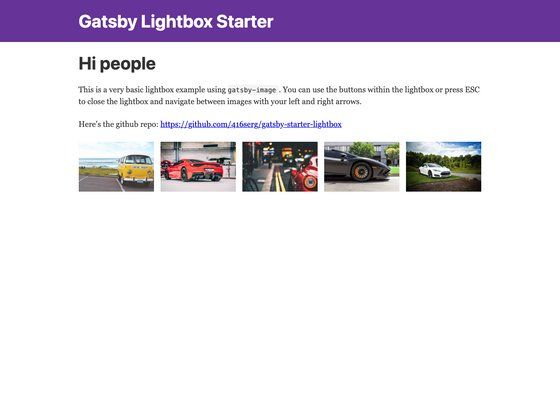
Gatsby starter with a custom image lightbox built on gatsby-images, on-screen controls, and keyboard navigation (ESC, arrows).
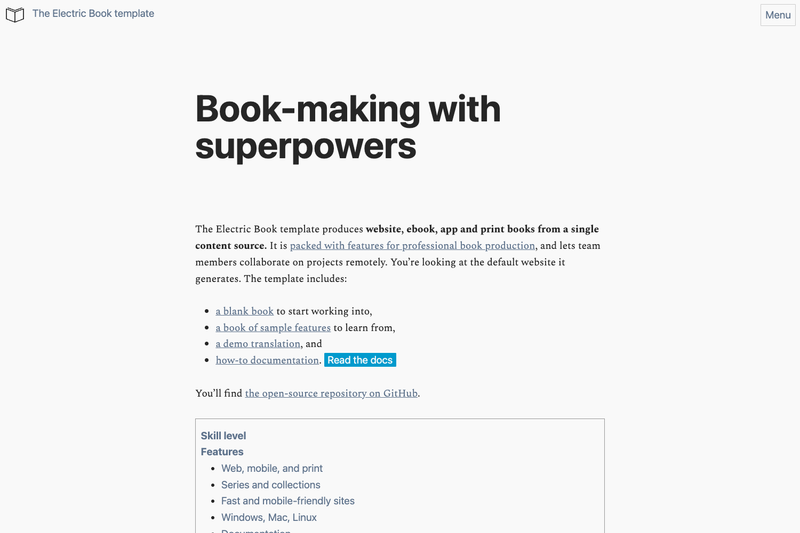
A Jekyll template for creating books in multiple formats: print PDFs, screen PDFs, websites, epubs, MS Word, and app files.
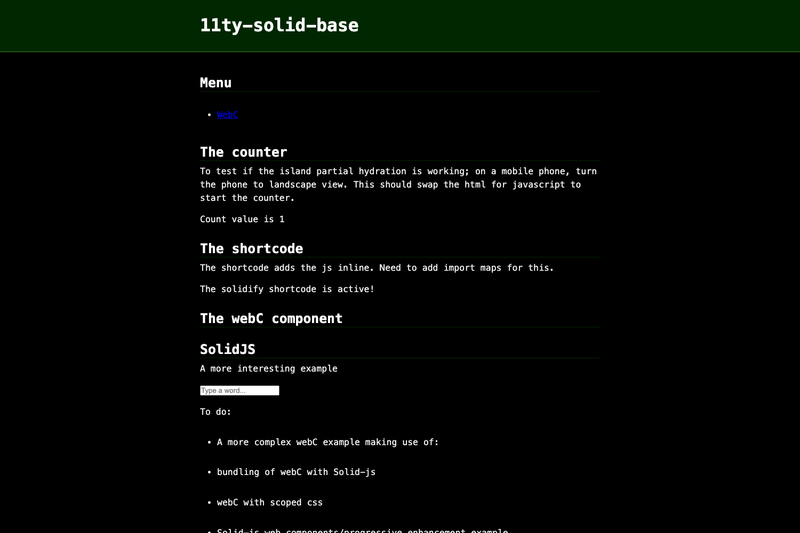
A minimal base HTML5 template for building SolidJS SPAs in 11ty with esbuild, WebC, is-land, and Lightning CSS.
Next Netlify Starter is a boilerplate project that combines a minimal Next.js v12 application with one-click deployment to Netlify. The project was originally hosted at this repository and has been moved to the netlify-templates organization; the current canonical repository is https://github.com/netlify-templates/next-netlify-starter.
Next Netlify Starter is a minimal Next.js project bootstrapped with create-next-app and preconfigured for instant deployment to Netlify. It includes two sample components, a global stylesheet, a netlify.toml deployment configuration, and a jsconfig.json file that sets up absolute imports and path aliases. The project also integrates the Essential Next.js Build Plugin, which adds support for Preview Mode, server-side rendering and incremental static regeneration through Netlify Functions, and internationalized routing.
Click the Deploy to Netlify button, which triggers Netlify to clone the repository, run the build defined in netlify.toml, and host the output. Locally, you run the standard create-next-app development server. The Essential Next.js Build Plugin runs during the Netlify build and adapts the Next.js output for Netlify's platform, wiring up functions and routing.
The starter repository is open source and free to use. You can clone it, modify it, and deploy it on Netlify using whatever Netlify plan fits your needs.
The project was bootstrapped with Next.js v12. The repository is minimal and does not pin a specific patch version in the visible content.
The project has moved to the netlify-templates organization. The canonical repository is https://github.com/netlify-templates/next-netlify-starter.
Yes, through the Essential Next.js Build Plugin. It enables server-side rendering and incremental static regeneration using Netlify Functions, along with Preview Mode and internationalized routing.
It sets up absolute imports and custom aliases, so you can import components or utilities using path shortcuts instead of long relative paths.