Newsletter
Join the Community
Subscribe to our newsletter for the latest news and updates

One page portfolio site.
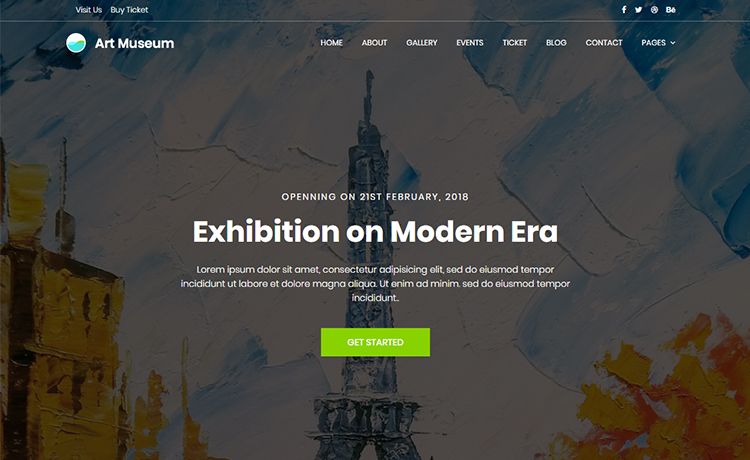
Free multi-page HTML5 museum website template built on Bootstrap 4, with lightbox gallery, blog, Google Maps, and email subscription.
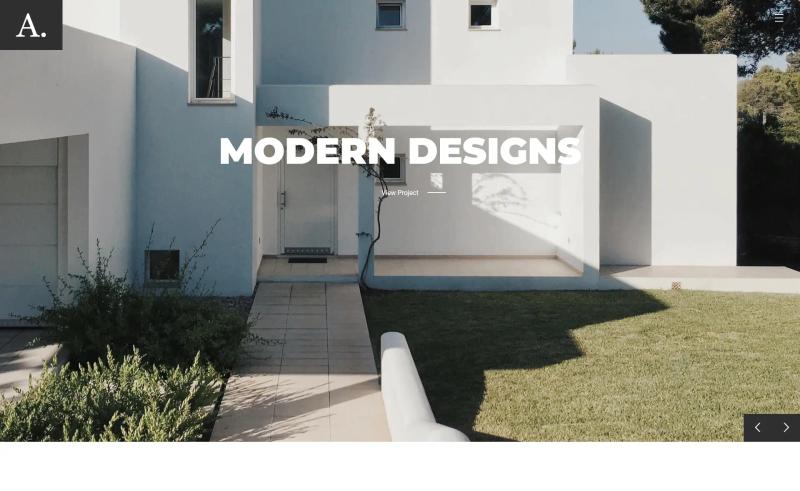
Free one-page Bootstrap 5 architecture portfolio template with hero slider, gallery, blog, and contact form UI.
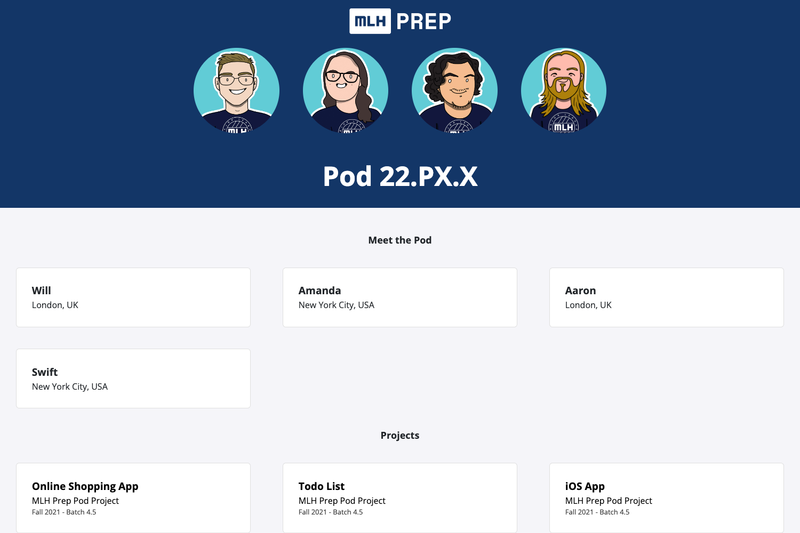
A Jekyll portfolio website template to showcase your work using GitHub Pages, designed for Prep Fellows.
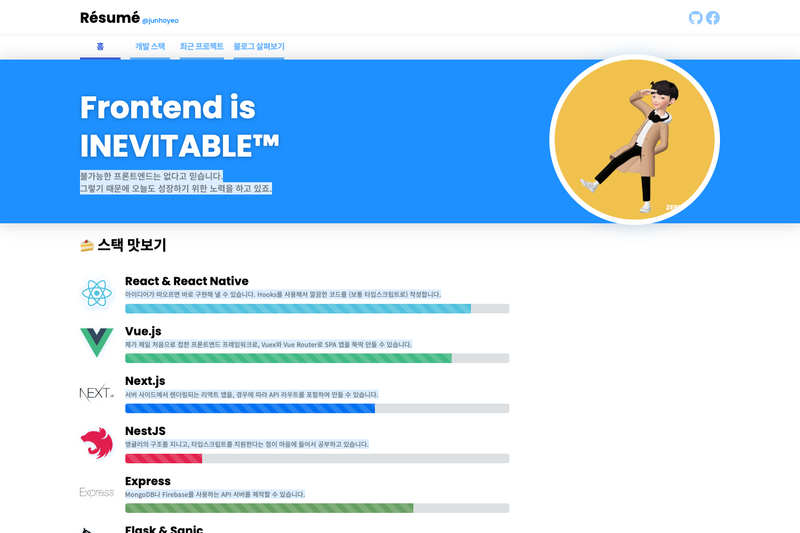
A Next.js résumé template styled like a shopping mall website; all content (stacks, products, posts, socials) is edited via JSON config files.
Gatsby Portfolio Theme is a preconfigured Gatsby theme for building a one-page portfolio site, using MDX for content and Theme UI for styling, with component shadowing as the customization path.
The Gatsby Portfolio Theme is a single-page portfolio starter built on the Gatsby framework. It takes MDX as the content format and produces a static one-page website for showcasing a personal portfolio. The theme is preconfigured, meaning it is ready to be cloned and run without significant setup. The repository is maintained by Adrian Zawadzki, who includes his email address in the README for questions.
sx prop for accessing theme tokens directly in components. To use it fully, you must change the pragma to jsx.mdx.Yes. The README explicitly says, "Feel free to clone and modify this repository in any way you like." There is no license file shown, but the author invites free use and modification.
It is a Gatsby theme that generates a one-page portfolio website. It handles the site's basic structure and styling, and you customize it by editing MDX content and shadowing components.
For styling, the Theme UI plugin provides the sx prop to use theme tokens in your components. You need to remember to change the pragma to jsx when using it.
You use Gatsby's component shadowing to override the theme's components. This lets you change layout and content without modifying the theme's source files directly.
The repository is shared by Adrian Zawadzki, and his contact email is provided in the README for questions.