Newsletter
Join the Community
Subscribe to our newsletter for the latest news and updates

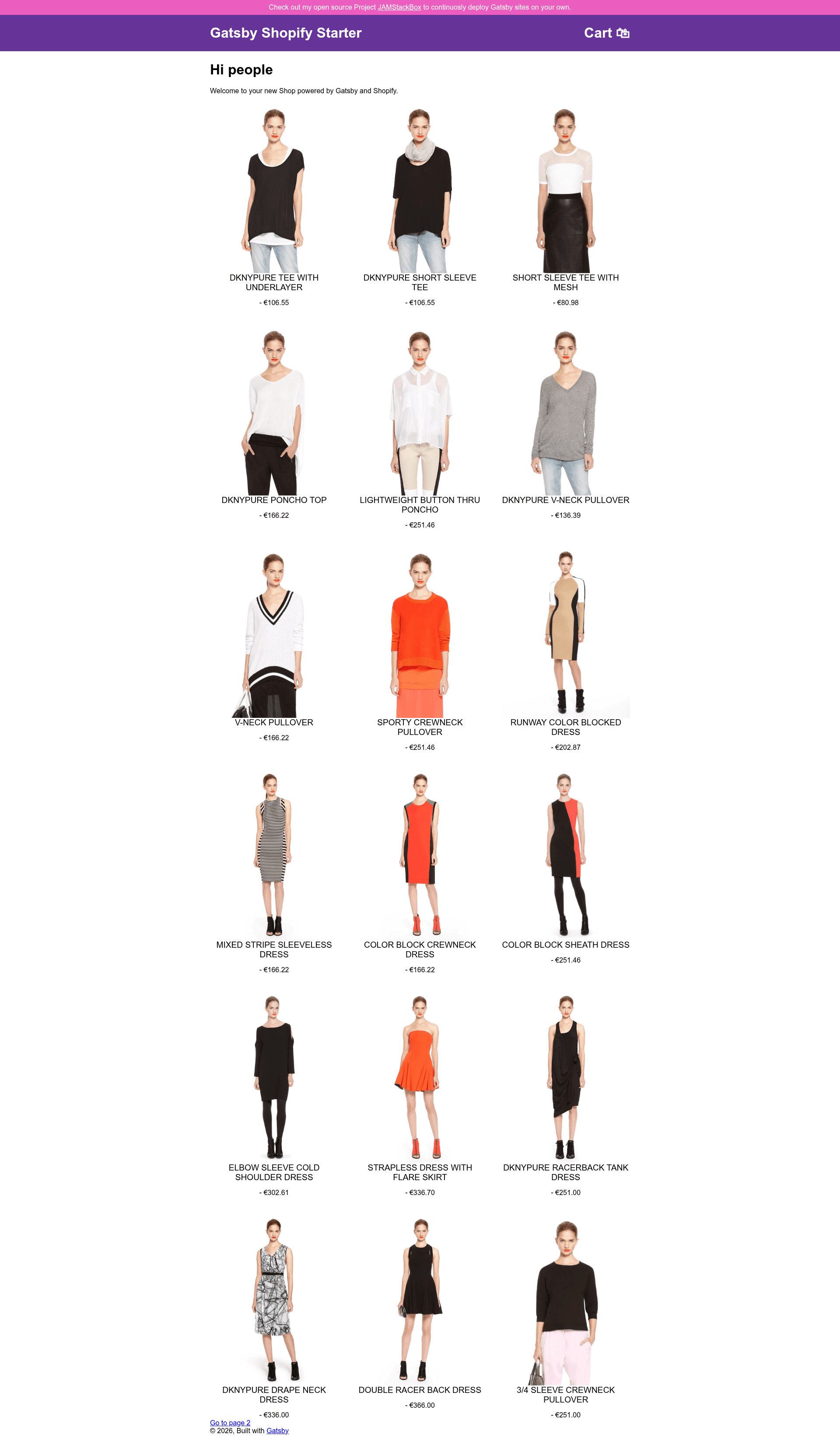
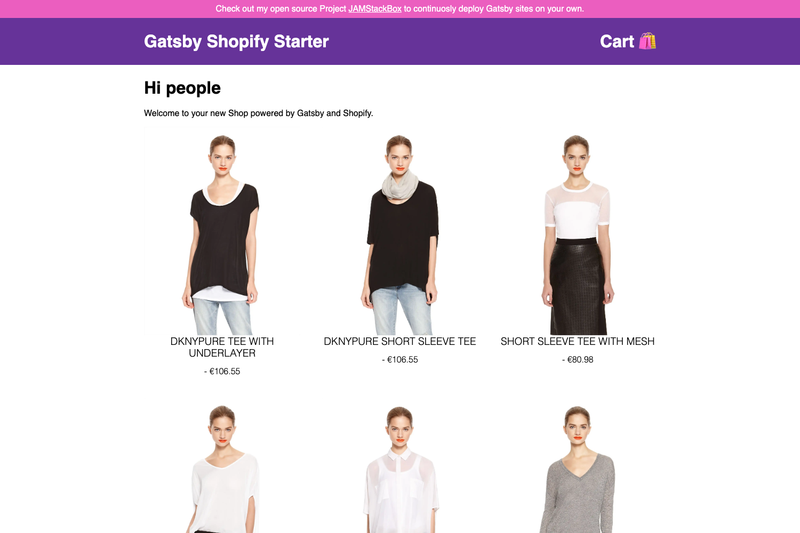
Simple starter to build a blazing fast Shopify store with Gatsby.
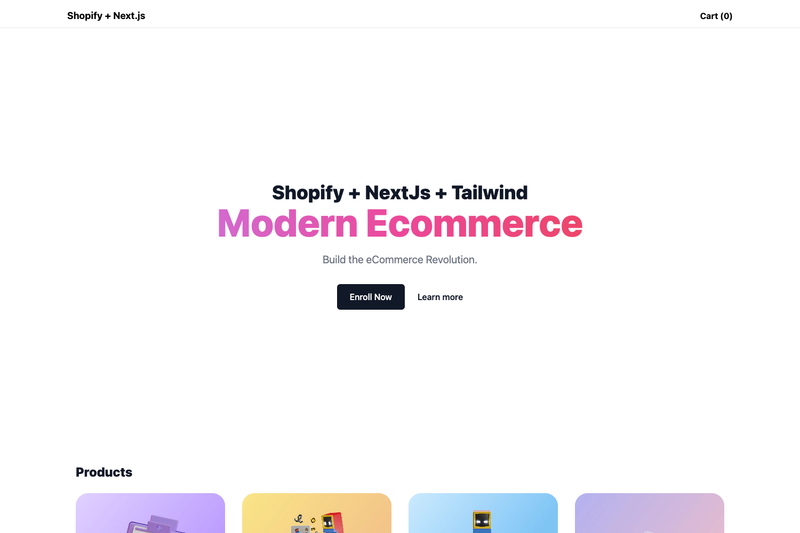
A headless Shopify storefront starter built with Next.js for practicing e-commerce development.
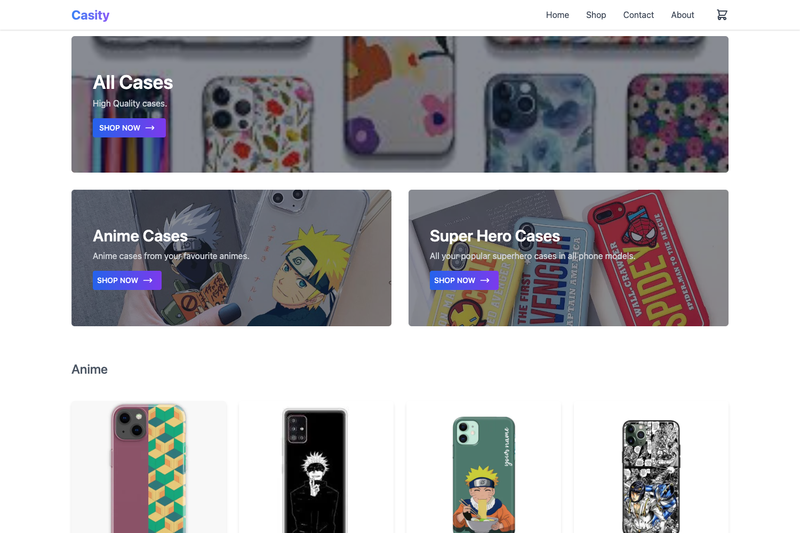
Ecommerce website created using NextJS, Typescript, Tailwind, and using Stripe payment API.
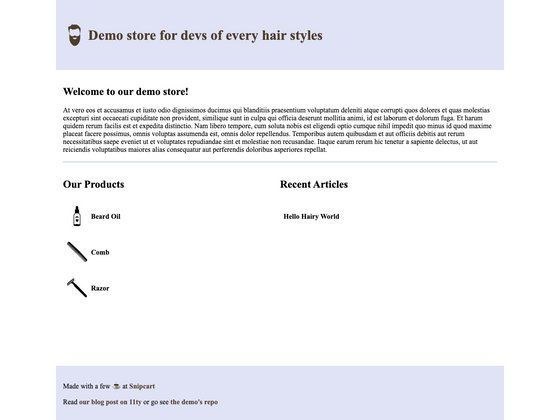
A demo e-commerce store built with the Eleventy static site generator, featuring product pages, cart injection, and code highlighting.
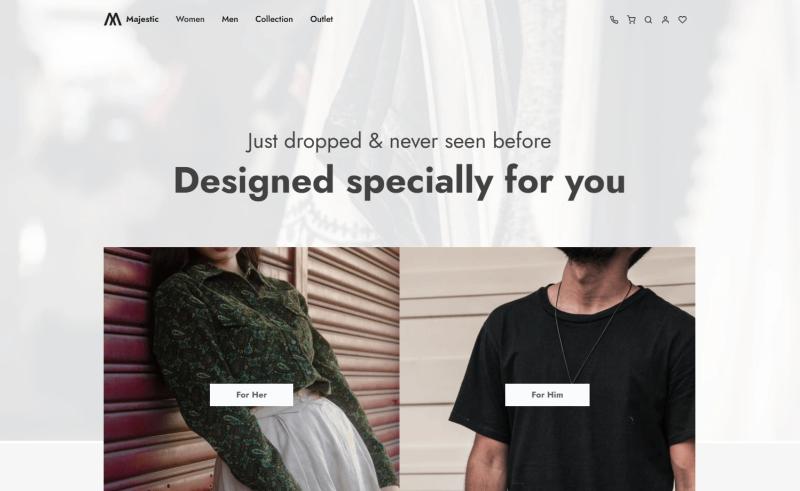
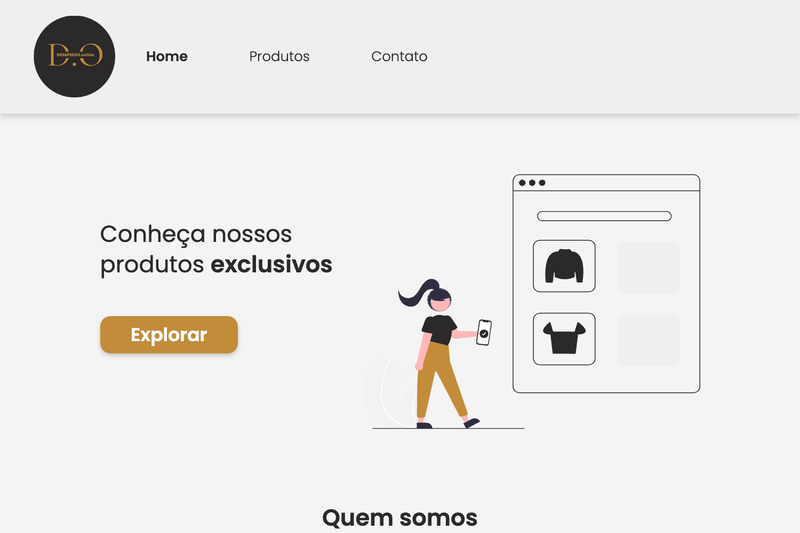
Free Bootstrap 5 HTML5 eCommerce website template from ThemeWagon with hero header, product carousel, shop by category, and blog sections.
The Gatsby Shopify Starter is a free, open-source Gatsby starter for building a fast ecommerce storefront that connects to Shopify through the Storefront API, including a working cart, product grid, and product pages out of the box.
It is a starter project based on the default Gatsby starter, created by developer Alexander Hoerl (AlexanderProd), that turns a Shopify store into a static React website. The starter takes your Shopify Storefront API and Admin API credentials, stored in .env.development and .env.production files, and generates a frontend with a product catalog, product detail pages, a cart, and dynamic inventory display. A live demo is hosted at gatsby-shopify-starter.alexanderhoerl.de, and a public production store built with it is available at nureineburg.alexanderhoerl.de with its source code on GitHub.
The tech stack is Gatsby (React-based static site generator), Emotion for styling, and the Shopify Storefront API for data; development is done with gatsby develop and deployment can be automated with the author's JAMStackBox tool.
gatsby new my-shopify-store <repo>, add your Shopify credentials, and have a working storefront with cart and product pages.gatsby new my-shopify-store https://github.com/AlexanderProd/gatsby-shopify-starter..env.development and .env.production, and insert your credentials.gatsby develop to start the site locally at localhost:8000, or build for production and deploy to any static host.The starter itself is free and open-source, released on GitHub. You do not need to pay for the template; any costs come from Shopify subscriptions and the hosting provider you choose.
The starter relies on the Shopify Storefront API to fetch products and manage the cart on the client side. Using regular Shopify API credentials will cause the starter to fail, so the environment files require Storefront API credentials.
Yes. The starter provides both .env.development and .env.production files, so you can point your local development at one Shopify store and your deployed production site at another, just by filling in different credentials.
Yes. Product stock is requested from Shopify on each page load, so if an item goes out of stock, the site reflects that immediately without rebuilding or redeploying. This avoids the problem of displaying sold-out items during redeploy delays.
Yes. The starter requires at least one published product in Shopify to display anything; you must also have the Storefront and Admin APIs enabled for the custom app you create.