Newsletter
Join the Community
Subscribe to our newsletter for the latest news and updates

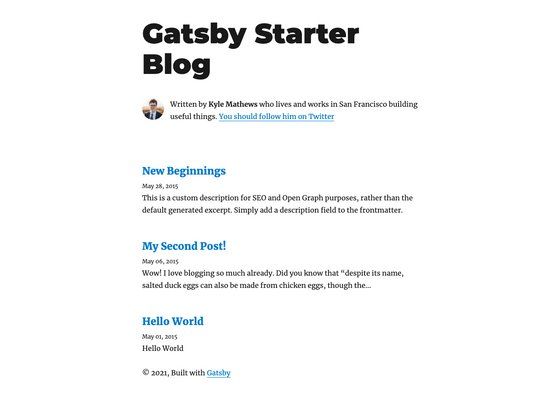
Gatsby starter for creating a blog, with standard configuration files and a React-based static site structure.
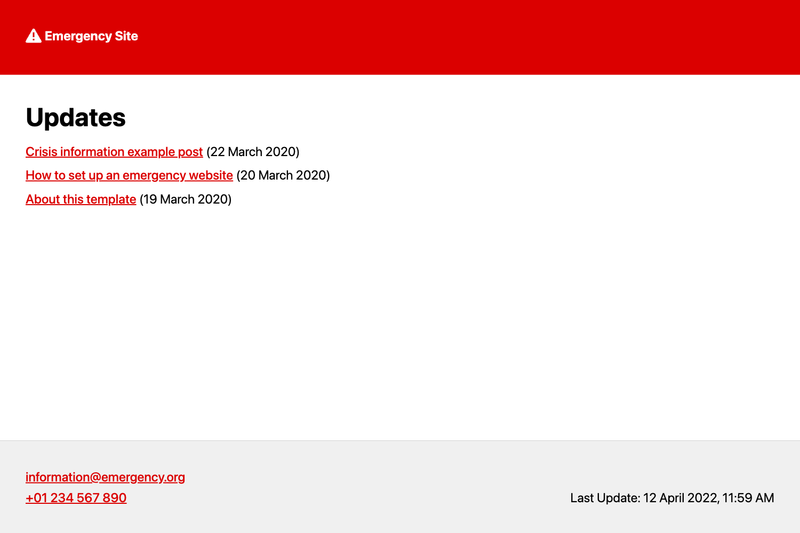
A template for emergency information websites
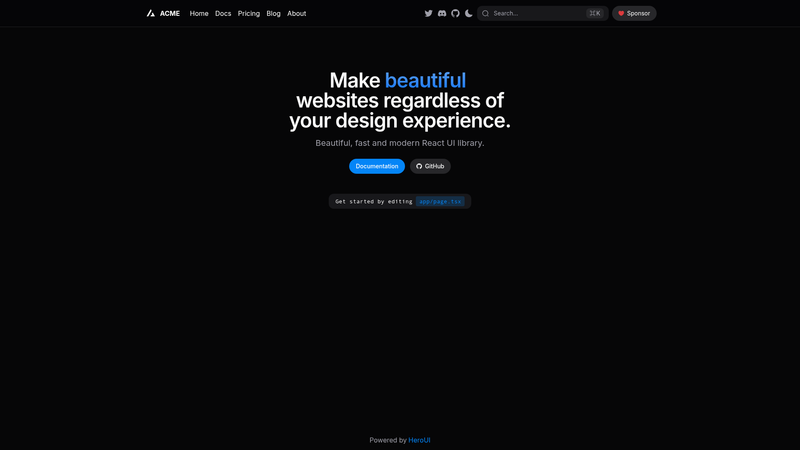
A Next.js 16 with app directory template pre-configured with HeroUI (v3) and Tailwind CSS (v4).
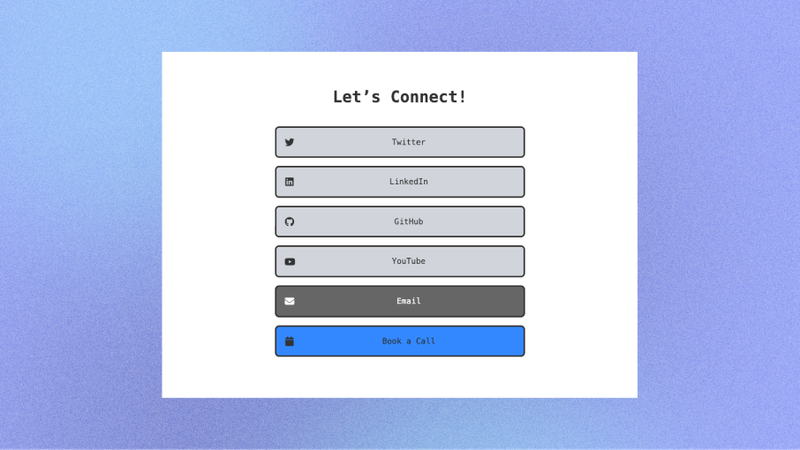
Build your own self-hosted Biolink/Linktree clone with Astro, using Markdown for links.
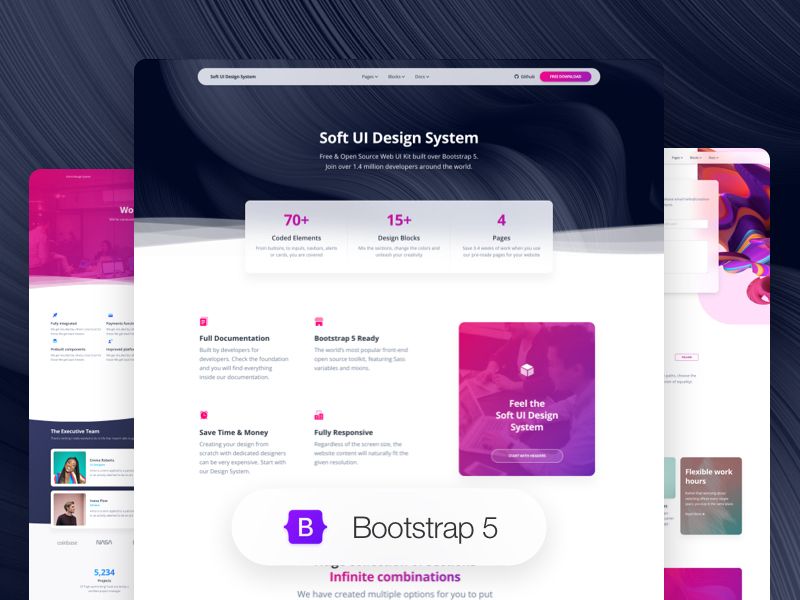
Soft UI Design System - Open Source Bootstrap 5 design system
Gatsby Starter Blog is a boilerplate for creating a blog with the Gatsby static site generator, shipping with the standard configuration files and directory structure needed to start a React-based blog project.
Gatsby Starter Blog is an official starter template created by the Gatsby team that produces a static blog site. It takes a project name and repository URL as input via the Gatsby CLI and outputs a configured Gatsby site with a source directory for React components and pages. The starter runs on Gatsby, a React-based static site generator, and is published on GitHub under the gatsbyjs organization.
gatsby new my-blog-starter https://github.com/gatsbyjs/gatsby-starter-blog, which copies the starter and installs dependencies.gatsby develop starts the site at http://localhost:8000 with live reload when you edit source files.gatsby-config.js for site metadata and plugins, gatsby-node.js for Node APIs, gatsby-browser.js for browser APIs, and gatsby-ssr.js for server-side rendering APIs.src for front-end code, package.json for npm dependencies, .gitignore, and a README, so you can start editing src/pages/index.js immediately.gatsby-node.js, gatsby-browser.js, and gatsby-ssr.js to control build-time page creation, browser behavior, and server rendering.gatsby new my-blog-starter followed by the starter's GitHub URL to create a new site in a directory.gatsby develop to start a development server at http://localhost:8000.src — the browser refreshes in real time. Use the GraphiQL tool at /___graphql to explore the data layer.Yes, it is open source and released under the permissive 0BSD license, so you can use it for personal and commercial projects without paying a license fee.
Use the Gatsby CLI: gatsby new my-blog-starter https://github.com/gatsbyjs/gatsby-starter-blog. This creates a new directory with the starter's files and installs all required npm dependencies.
The /___graphql URL is a GraphQL IDE that lets you explore the data layer of your Gatsby site. You can view available queries and test them before using them in your pages.
Yes, the README includes a one-click deploy button that connects the GitHub repository to Netlify for building and hosting. The Netlify service handles the build process automatically.
The README does not mention any included CSS framework or design system; it provides the standard Gatsby configuration and a React source structure, so you add your own styling.