Newsletter
Join the Community
Subscribe to our newsletter for the latest news and updates

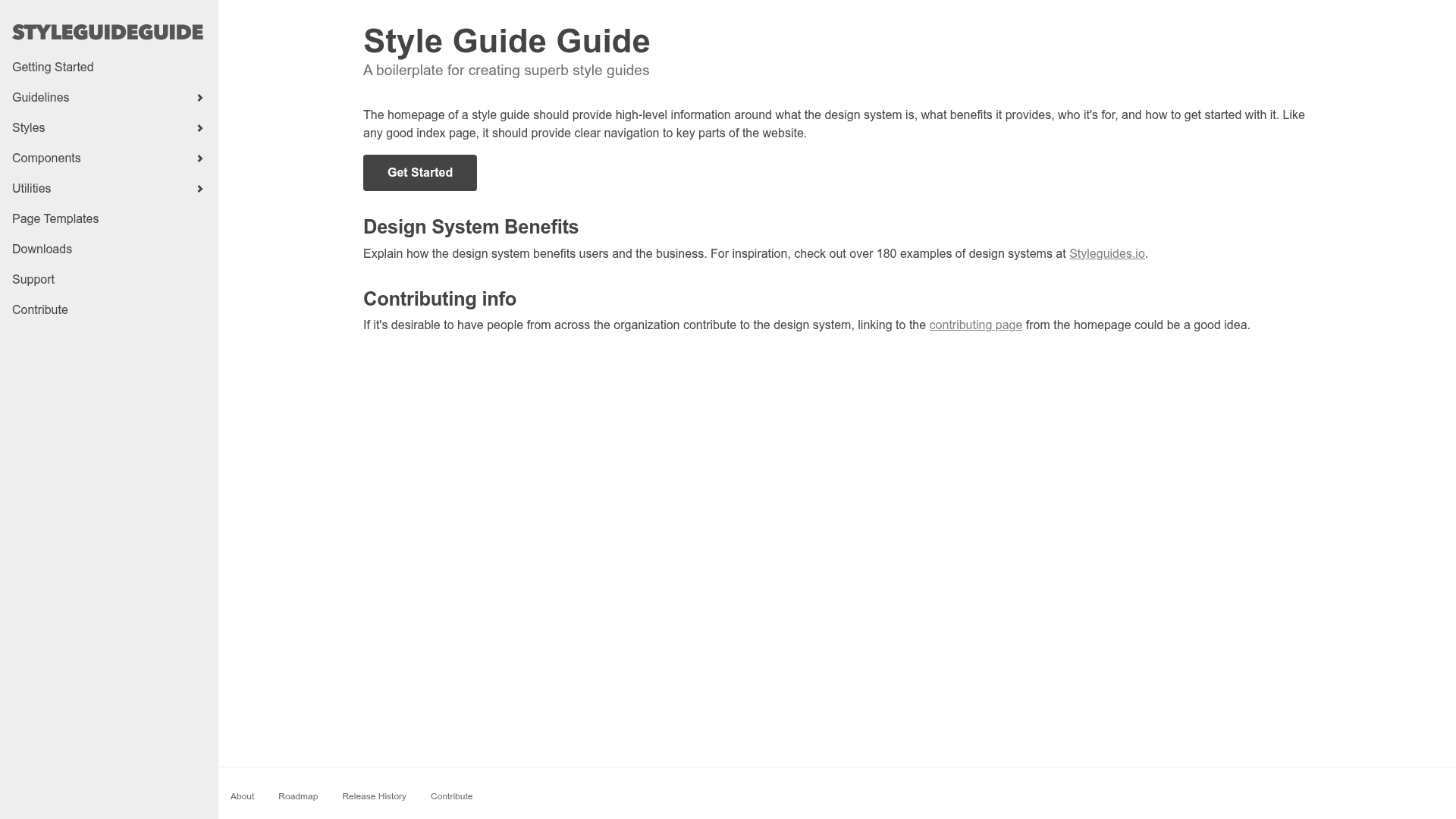
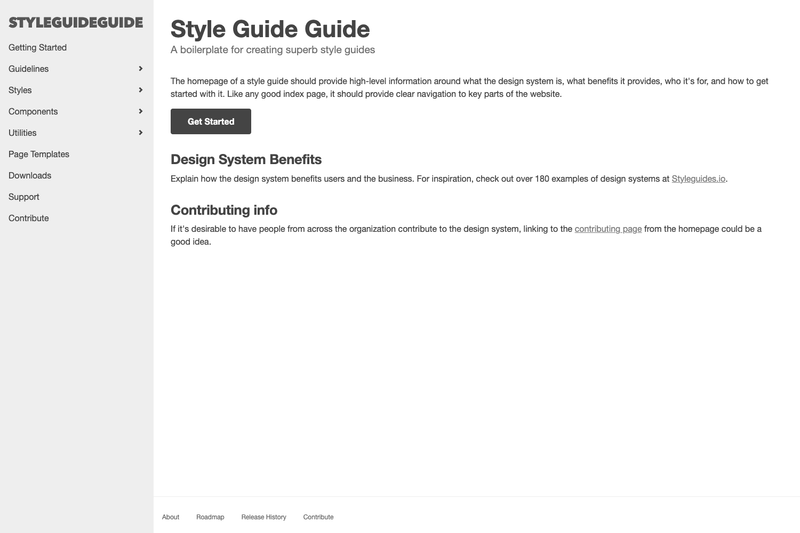
A boilerplate for creating your own custom style guide for your organization's design system.
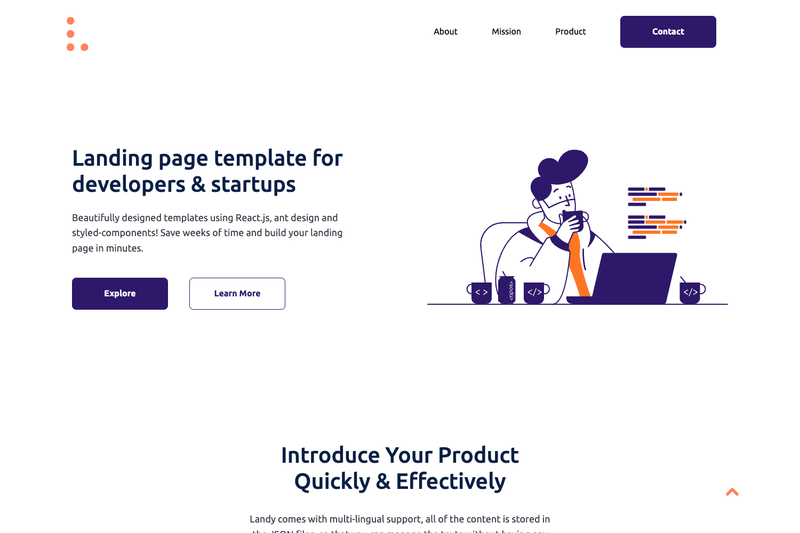
A gatsby starter for Landy - React landing page. CodeSanbox preview: https://codesandbox.io/s/hopeful-rain-z2x7b
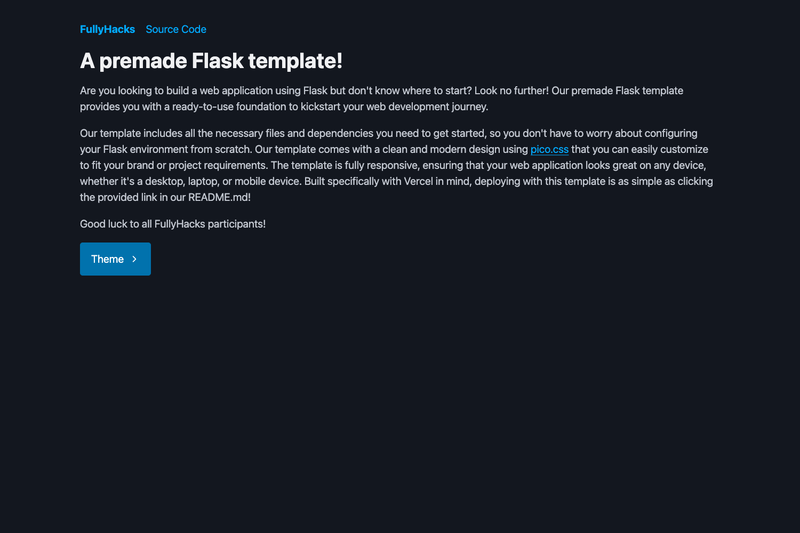
A premade Flask template for deploying Python web apps to Vercel with one-click and local run instructions.
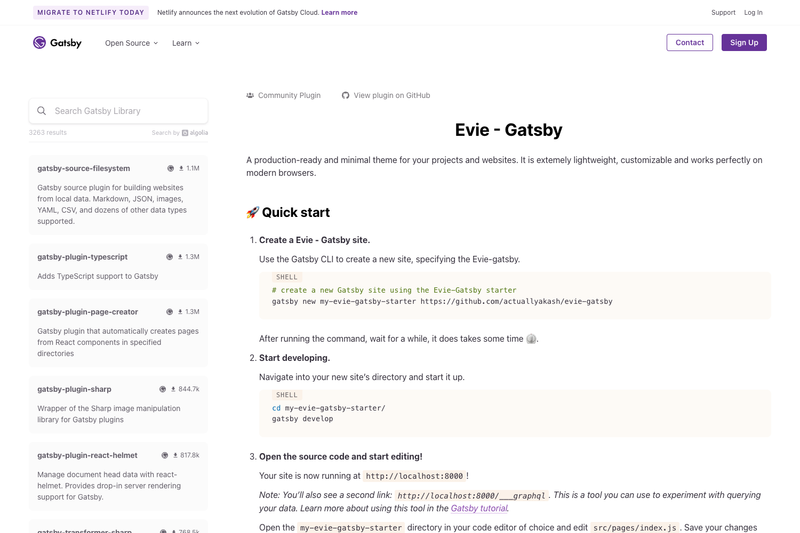
A production-ready, minimal Gatsby theme for lightweight React-based project and marketing websites.
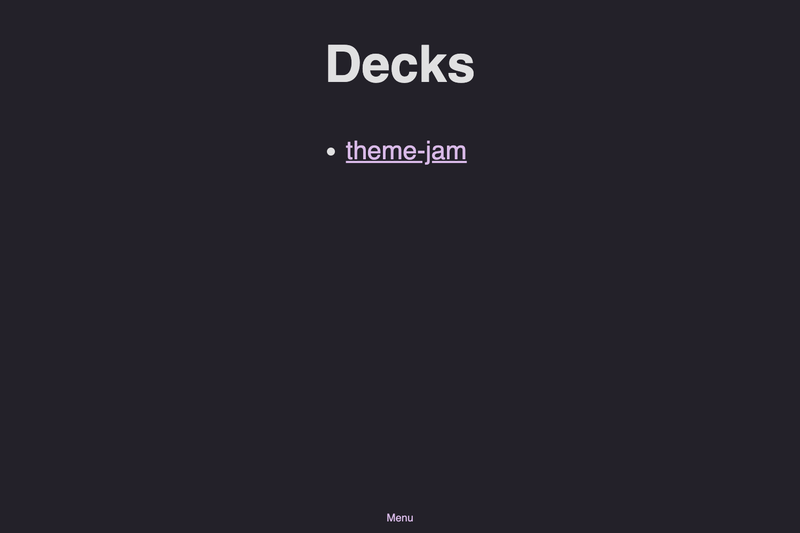
Gatsby theme for generating slide decks from markdown
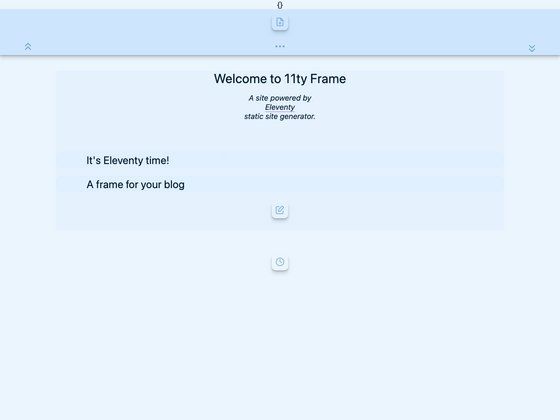
A light site frame using Eleventy static site generator, served by Netlify.
Gatsby Style Guide Guide is a Gatsby-powered boilerplate for creating a custom style guide for an organization's design system, built by Brad Frost and open-sourced on GitHub.
Gatsby Style Guide Guide is a starter project that gives you a working style guide site with just enough information architecture and hooks to begin customizing. It takes your design system's components and documentation as input and produces a static website that displays them in a structured style guide. The project runs on Gatsby, a React-based static site generator, so the output is fast and deployable to any static host. The repository currently has 466 stars.
yarn, then gatsby develop to launch a local development server.Design system teams need a starting point for publishing their component library as a searchable style guide. Frontend developers who work in React can extend the boilerplate with their own components and styling. Organizations using Pattern Lab can use Style Guide Guide as a display layer for their patterns. Brad Frost created it as a side project under his personal GitHub account.
Start by downloading or cloning the repository from GitHub. In the command line, run yarn to install dependencies, then gatsby develop to start a local dev server. From there, you customize the style guide for your needs and populate it with your content and components. The project's own README notes that detailed instructions for importing components and assets from Pattern Lab are coming soon.
Yes, it is an open-source boilerplate hosted on GitHub. You can download or clone the repository and use it without paying a license fee.
You need Node.js and Yarn installed. After cloning, run yarn to fetch dependencies and gatsby develop to start the development server.
The author's workflow imports patterns from Pattern Lab for display. The tool can consume and display components from anywhere, though step-by-step import instructions are not yet published in the README.
Brad Frost, a web designer known for his work on Pattern Lab and atomic design, created the boilerplate. Feedback and issues are handled through the GitHub repository.
Edit the Gatsby pages and components to add your own branding, colors, and typography. Replace the placeholder content with your design system's actual components, guidelines, and code examples.