Newsletter
Join the Community
Subscribe to our newsletter for the latest news and updates

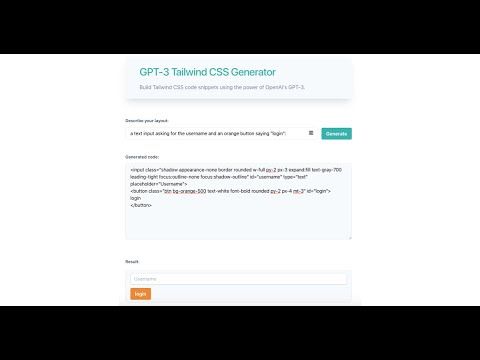
Generate Tailwind CSS code snippets from natural-language descriptions with OpenAI's GPT-3, built by Themesberg.
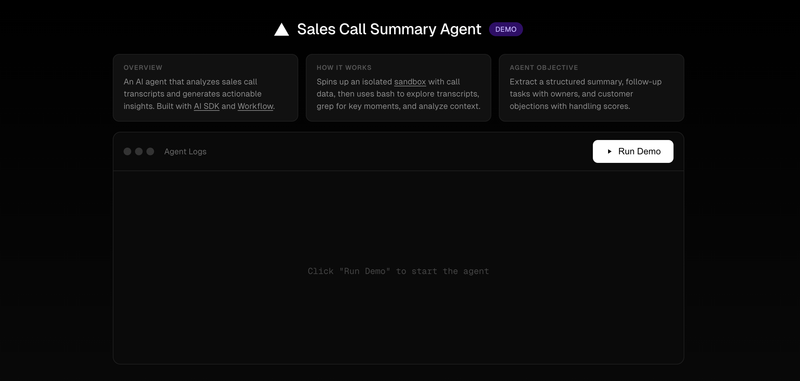
AI agent that summarizes sales calls into structured summaries with tasks, objections, and insights using Vercel Sandbox and AI SDK.

A free, dark-themed AI SaaS website template built with Astro, Tailwind CSS, and React, featuring 16 pre-built pages and 47 components.
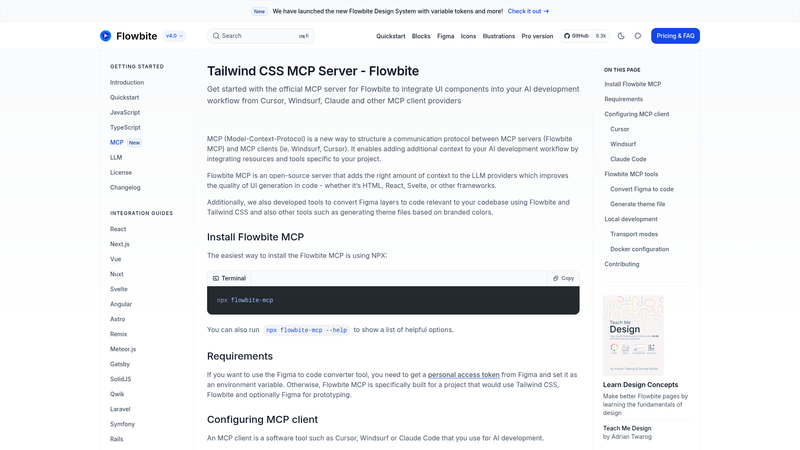
Official MCP server for Flowbite that gives AI assistants access to Tailwind CSS components, theme generation, and Figma-to-code conversion.
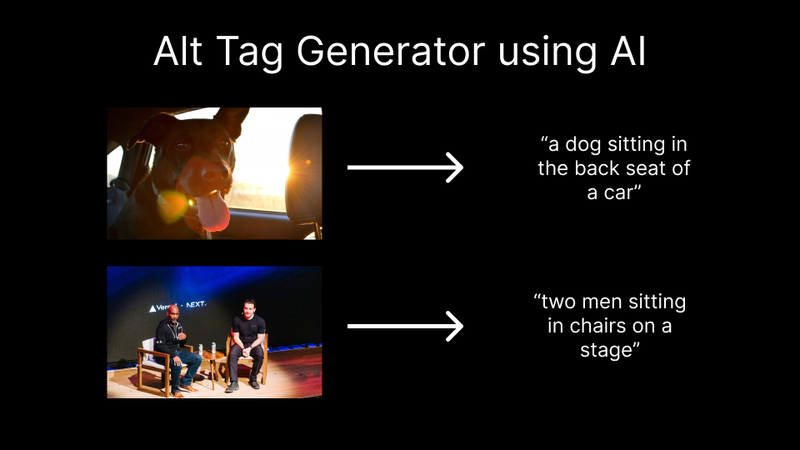
A Flask API that generates a one-sentence alt-text description for any image using Salesforce's BLIP model on Replicate.
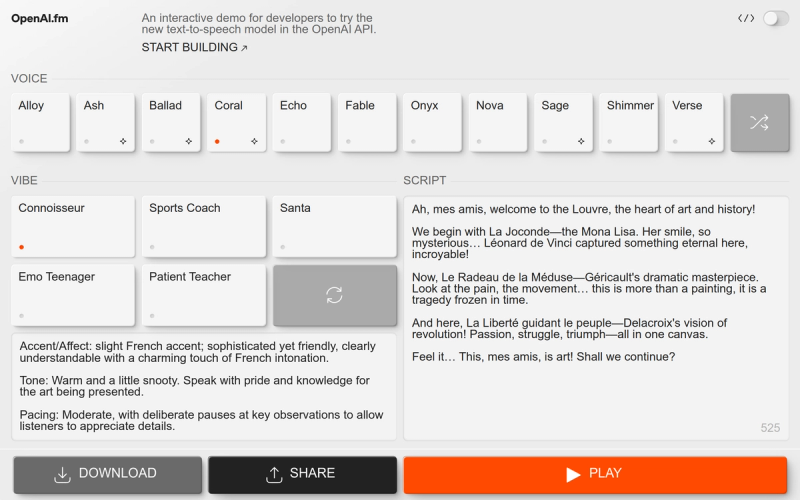
Code for openai.fm, a demo showcasing OpenAI's text-to-speech API capabilities.
GPT-3 Tailwind CSS Code Generator is an experimental web tool by Themesberg that converts natural-language descriptions into Tailwind CSS code snippets using OpenAI's GPT-3 language model.
The GPT-3 Tailwind CSS Code Generator is a web-based, OpenAI-powered code generator that accepts a prompt describing a user interface element and returns Tailwind CSS code. It runs on gpt-tailwind.com, uses OpenAI's GPT-3 API, and is developed and maintained by Themesberg. The project is part of a larger series of gpt-*.com websites. The generator aims to save time by producing utility-first CSS markup from plain-English input.
The generator sends your written prompt to OpenAI's API, along with examples of Tailwind CSS usage, and GPT-3 returns a code snippet that matches the learned pattern. The quality of the output depends on the clarity of the prompt and the model's current limitations.
Access to the generator and dashboard is granted in batches of 10, 50, or 100 users. You can sign up at gpt-tailwind.com; providing a clear description of what you plan to build may increase your chances of an earlier invite.
The page states that the accuracy is far from perfect and that the project is experimental. Themesberg is continuously working on improving results and expects code quality to increase over time.
The generator is developed and maintained by Themesberg, the same team behind a range of UI themes and templates. It is part of their larger series of gpt-*.com websites.