Newsletter
Join the Community
Subscribe to our newsletter for the latest news and updates

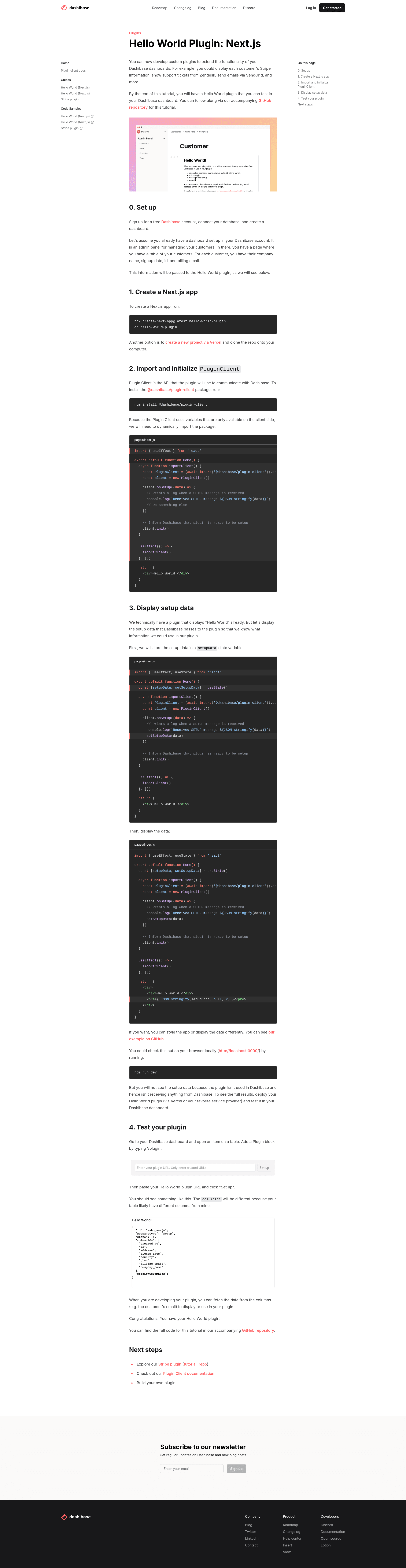
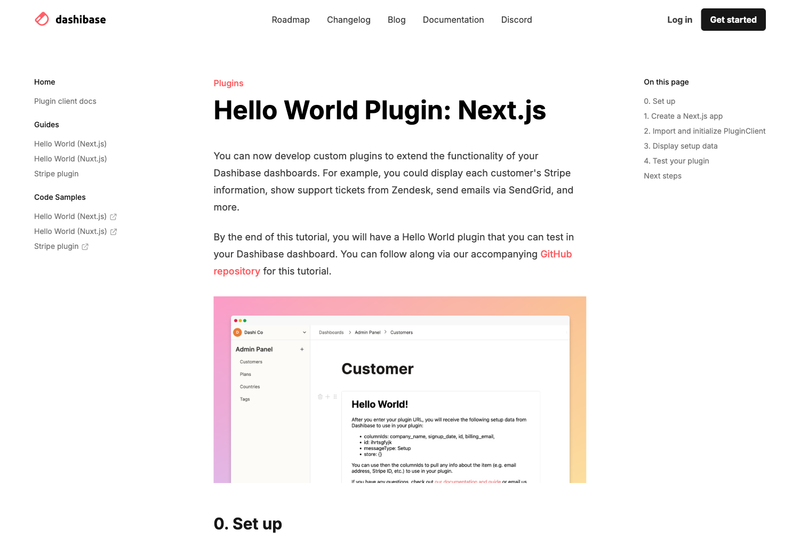
A Hello World plugin for Dashibase, built with NextJS
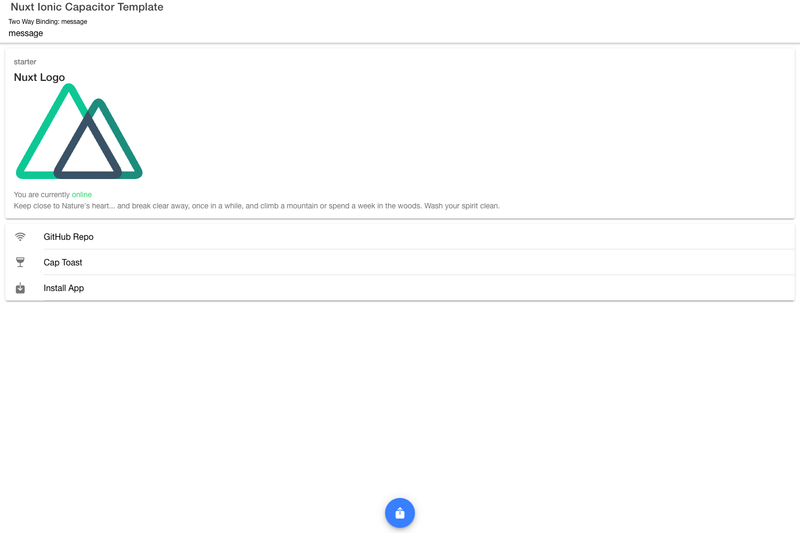
Nuxt 2, Capacitor 3, and Ionic 5 template for starting cross-platform app development.
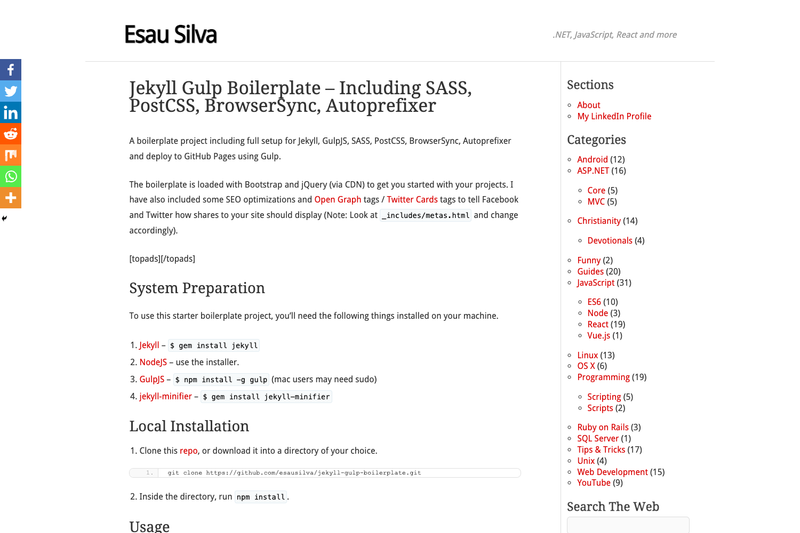
A boilerplate project including full setup for Jekyll, GulpJS, SASS, PostCSS, BrowserSync, Autoprefixer and deploy to GitHub Pages using Gulp.
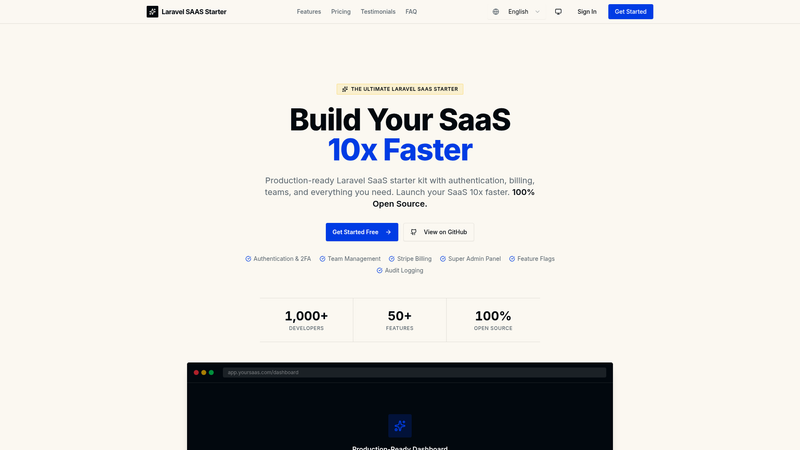
Production-ready Laravel 12 SaaS starter with Stripe billing, multi-tenant workspaces, team management, and admin panel.
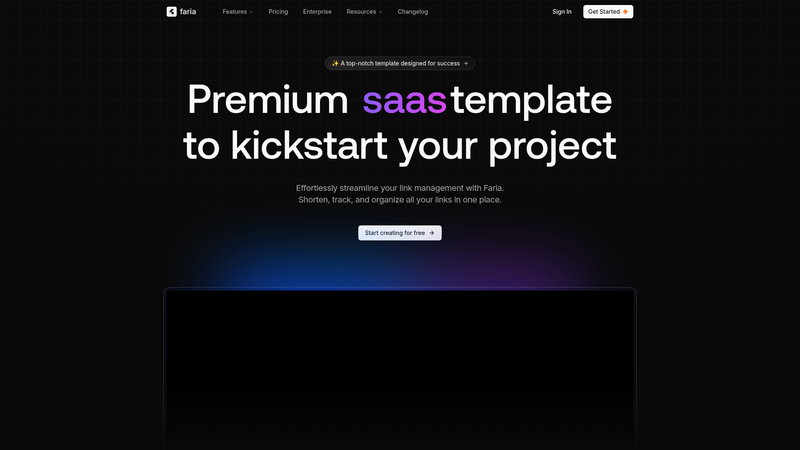
Premium SaaS landing page template built with Next.js, Tailwind CSS, Framer Motion, and Shadcn UI for fast, polished marketing sites.
Hello World plugin using Next.js is a boilerplate example plugin for Dashibase that demonstrates how a custom plugin receives setup data from a Dashibase dashboard and displays it in a web app built with Next.js. This template is meant for developers who want to extend Dashibase's Notion-like internal admin dashboards with their own functionality, such as pulling customer data from Stripe, showing Zendesk support tickets, or sending emails through SendGrid.
The Hello World Next.js plugin is a minimal starter project maintained by Dashibase that shows what data is available to a plugin and how to render that data with the Next.js framework. It accepts setup data passed from a Dashibase dashboard item when a Plugin block is added, and its output is a page that prints that setup data so developers can inspect its structure. The repository has 7 stars on GitHub and is documented through the Hello World Next.js plugin tutorial and the Plugin API reference on dashibase.com.
The plugin workflow starts with a free Dashibase dashboard connected to a database table. After forking and deploying this repository to Vercel, you open a table item in Dashibase, type '/plugin' to insert a Plugin block, paste the deployed URL, and click "Set up." The Hello World app then receives and displays the setup data that Dashibase sends to the plugin, which you can use to select fields such as pulling an email column from a customers table.
Dashibase is a platform for building internal admin dashboards with a Notion-like interface. It connects to your database tables and lets you add plugin blocks to individual items so you can embed custom functionality.
Deploy this repository to Vercel using the Deploy with Vercel button. Then open any item in a table in your Dashibase dashboard, type '/plugin', paste the deployed URL, and click "Set up."
The plugin receives setup data, which the Hello World app prints on the screen. This data can include table fields and other context, for example letting you pull the email column of a customer record for use with another API.
The plugin code is open source and can be deployed through the provided Vercel button. Dashibase offers free sign-up to create a dashboard and add a table from your database.