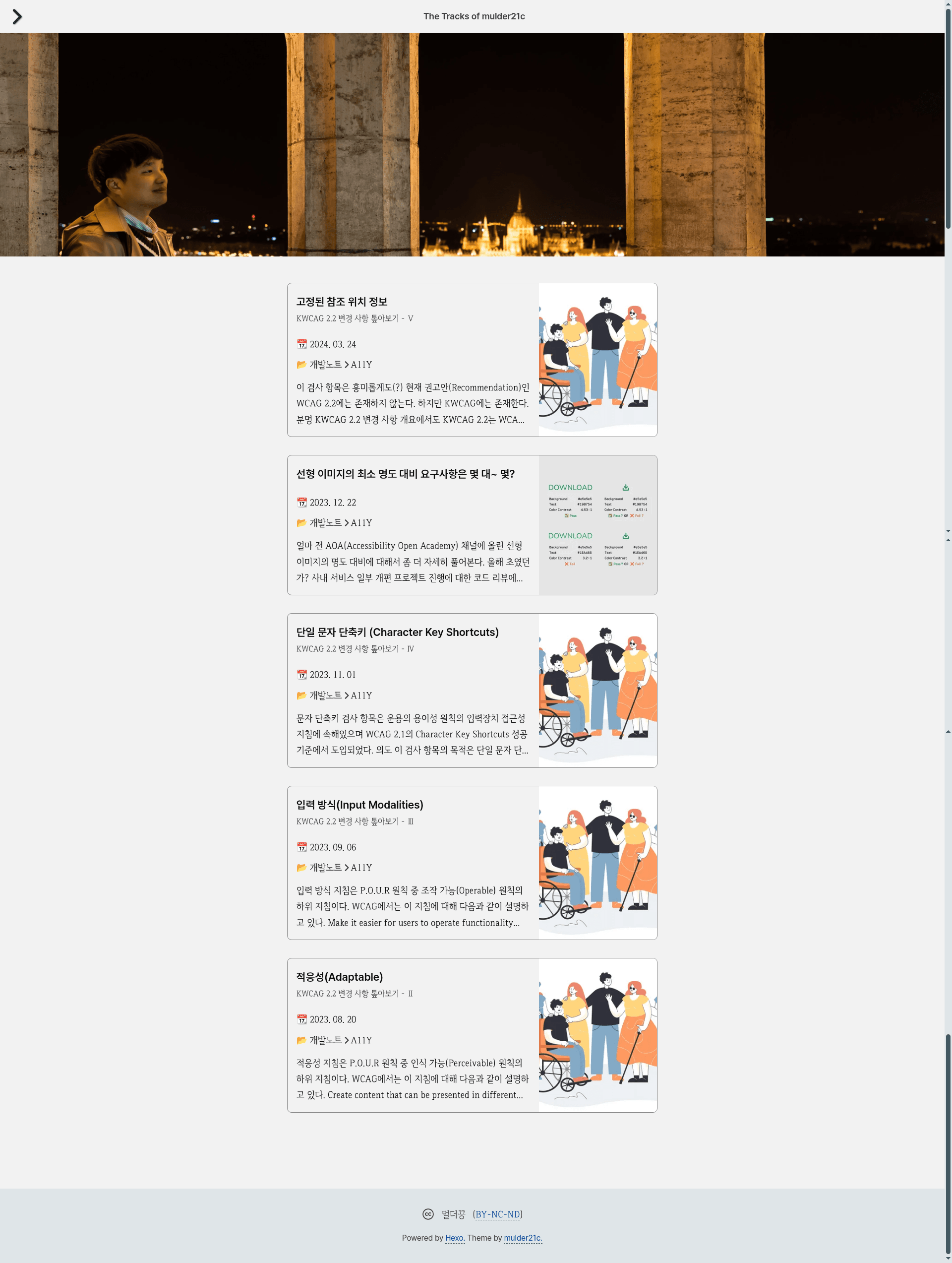
Hexo Theme Amorfati is a responsive blog theme for the Hexo static site generator, built by mulder21c, that is now deprecated and only works with Hexo 4.x. It renders Pug templates with SCSS styling and ships with SEO metadata, comment integration, a 360° media viewer, and web analytics.
What is Hexo Theme Amorfati?
Hexo Theme Amorfati is a theme you install into a Hexo project to turn markdown posts into a styled blog. It takes Hexo's content (pages, posts, archives, tags, categories) and outputs a responsive site with a sidebar, post list, and article pages. The theme uses Pug (via the hexo-server-pug renderer) for layouts and SCSS for styles, and it supports modern browsers plus IE 10 and up. The original author, mulder21c, has deprecated the project because it would need many changes for current Hexo versions; the active successor is hexo-theme-carpediem.
Key Features
- Responsive and accessible — The layout adapts to screen sizes and the markup is built with web accessibility in mind.
- SEO-friendly output — Generates JSONLD structured data, open graph tags, and link relations such as canonical, archives, first, prev, and next. You can also verify site ownership with Google, Bing, or Naver.
- Post-specific metadata — Front matter lets you set a custom SEO description, author, image, and genre that flow into meta tags, open graph, and JSONLD.
- Comment platforms — Supports both Disqus and LiveRe (a Korean comment service); you can disable comments on individual posts.
- 360° photo and video viewer — Uses Google VR to embed panoramic media inside posts via a container with data attributes.
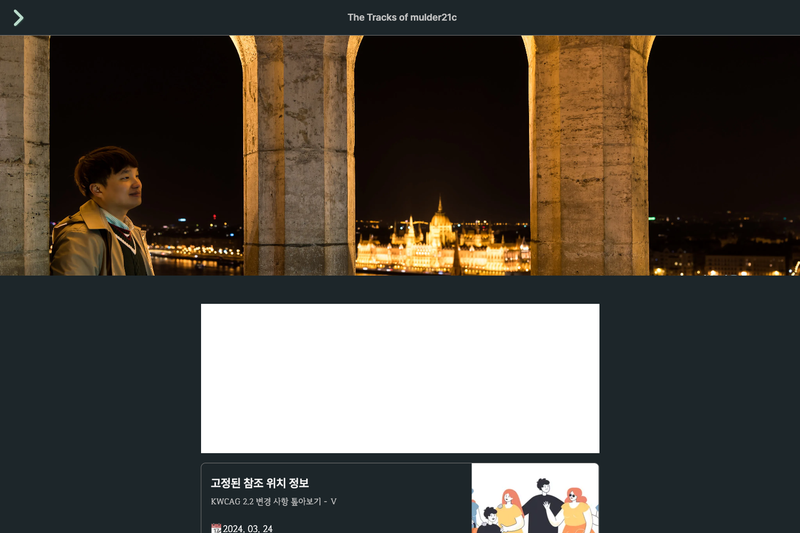
- Hero images and thumbnails — Configurable hero images on home and archive pages, plus per-post hero images and list thumbnails.
- Webfonts and SNS links — Webfont Loader integration with default fonts like Noto Sans KR and Font Awesome, plus sidebar links to GitHub, Facebook, LinkedIn, Instagram, Twitter, Flickr, and RSS.
- Analytics — Supports Google Analytics and Naver Analytics tracking IDs.
Who is it for?
- Hexo bloggers on version 4.x — If you have an existing Hexo 4 site and want a clean responsive theme, this works, but you should plan to migrate to the successor theme.
- Developers who want full control — The Pug/SCSS structure is organized into partials and modules, making it customizable.
- Korean-language bloggers — Includes LiveRe comments, Naver verification, Naver analytics, and Noto Sans KR default typography, so it's well suited to Korean-speaking audiences.
What can you do with Hexo Theme Amorfati?
- Embed 360° content in posts — Add a div with the
viewer360class and data-source attributes, and readers get an interactive panoramic viewer built on Google VR. - Fine-tune SEO per post — Set
seofront matter values to control the description, author, image, and genre that appear in search results and social shares. - Add custom per-post styles — Write SCSS or CSS in a post's
stylefront matter and it is rendered as a style block in the page head. - Show external links in the sidebar — Configure a list of name-URL pairs to display a curated set of links in the navigation.
How does Hexo Theme Amorfati work?
Install it by cloning the repository into themes/amorfati, then run npm install inside the theme directory to fetch dependencies and copy web font resources. After that, configure _config.yml for hero, profile, verification, analytics, webfonts, external links, and comments. For posts, use front matter fields such as subtitle, comment, viewer360, hero, thumbnail, seo, and style.
FAQ
Is Hexo Theme Amorfati still maintained?
No. The repository is marked deprecated and is no longer actively maintained. The author states that supporting current Hexo versions would require many changes, so the project is frozen and the recommended replacement is hexo-theme-carpediem.
Which Hexo version is supported?
Only Hexo 4.x. The theme cannot be used with later Hexo releases without modification, and the author notes that updates from older versions should remove the deprecated hexo-server-jade renderer.
Which comment systems are supported?
You can use either Disqus or LiveRe, a Korean comment service. Configuration goes in _config.yml with disqus.shortname or liveRe.uid, and individual posts can disable comments with comment: false.
Does the theme support 360° media?
Yes. Add a container with class viewer360 and set data attributes for source, width, and height; the theme loads a Google VR viewer in the post. Set viewer360.use to true in front matter.
Can I customize fonts?
Yes. The webfonts config accepts an array of font names and optional extra fonts with a URL. The default font is Noto Sans KR, and you can change it by editing _typography.scss.