Newsletter
Join the Community
Subscribe to our newsletter for the latest news and updates

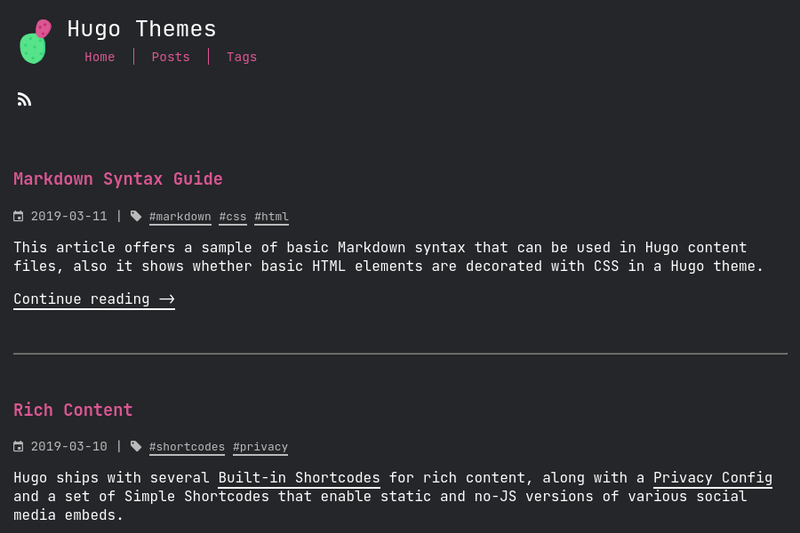
A prickly blog theme for Hugo with extensive customization of colors, layouts, comments, and analytics.
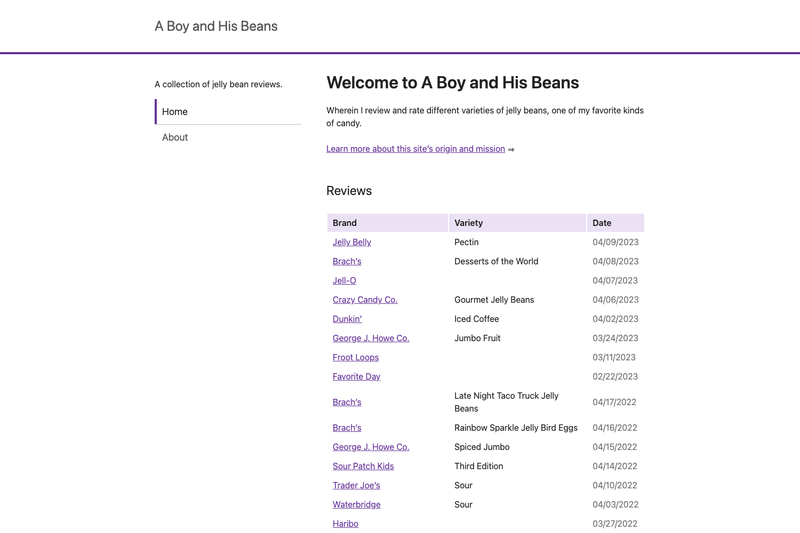
A simple website cataloguing jelly bean reviews and ratings, built with Jekyll.
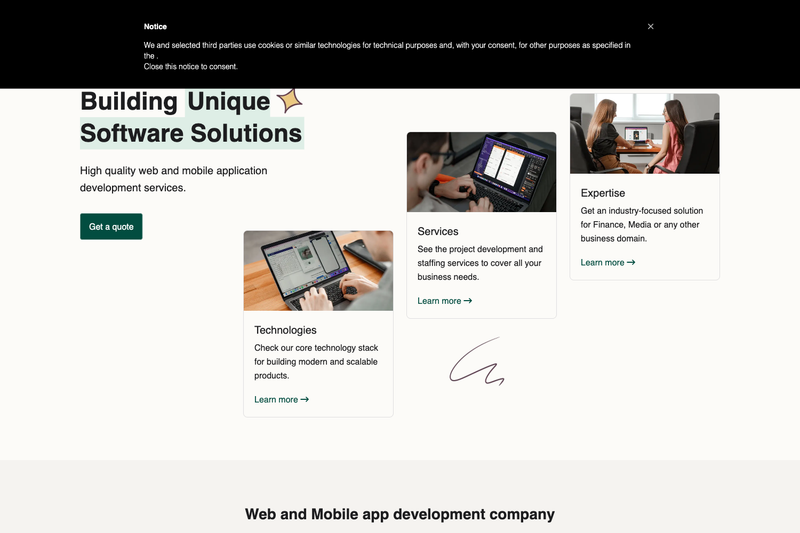
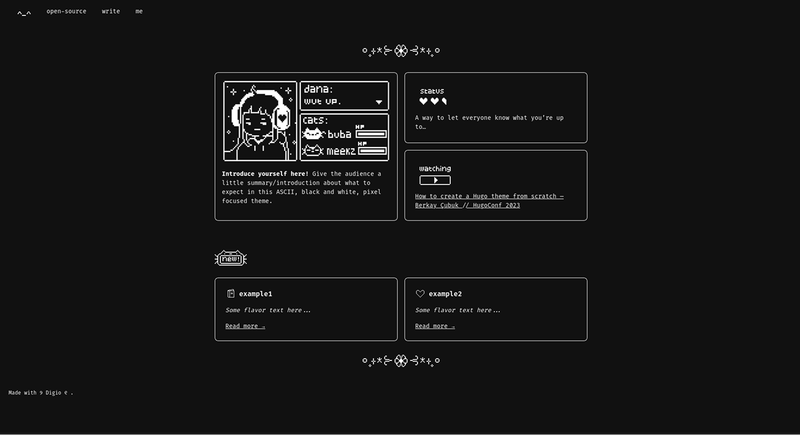
A blog HTML template inspired by stylish science fiction magazines of the 80s-90s.
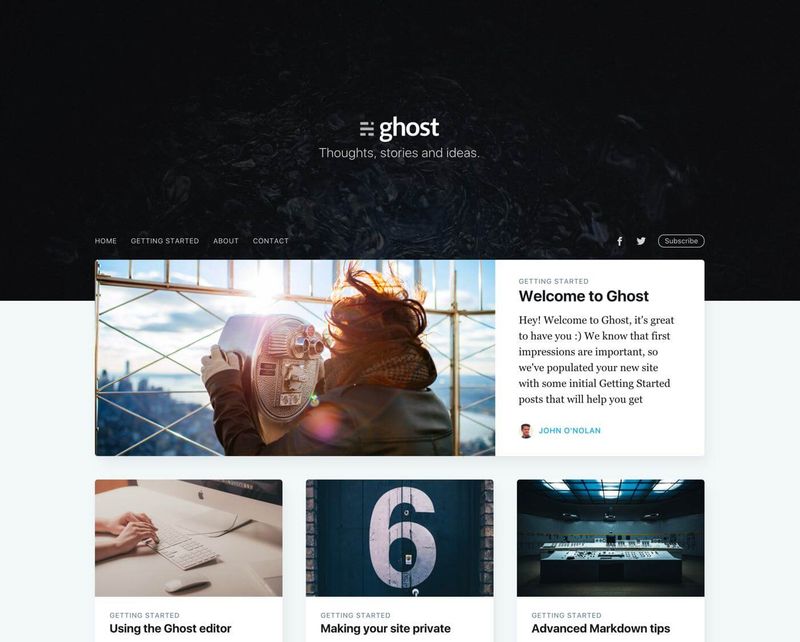
Full-featured Jekyll port of Ghost's Casper v2 theme with multi-author support, tag pages, and GitHub Pages deployment.
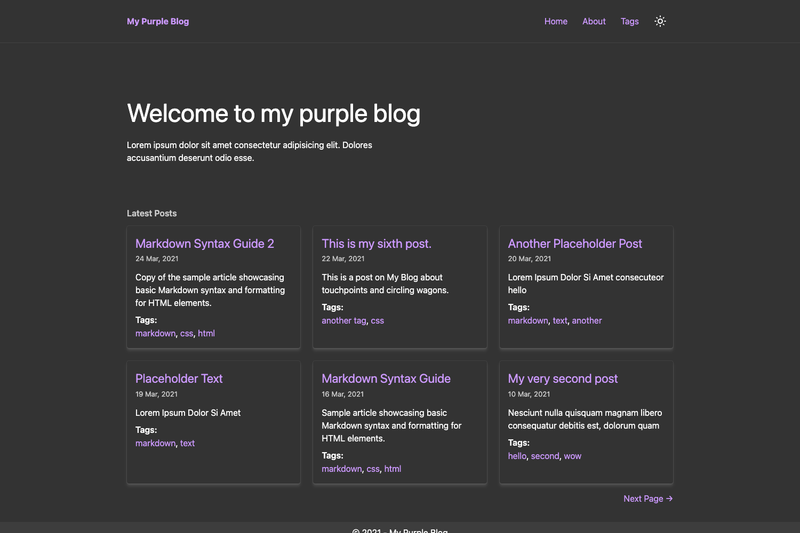
A fast, accessible Eleventy blog starter with toggleable dark mode, tag taxonomy, Atom RSS, and sitemap.
hugo-ficurinia is a Hugo theme for building blogs and personal websites, offering deep customization of colors, layouts, comment systems, and analytics without writing custom code.
hugo-ficurinia (also called Ficurinia) is a blog theme for the Hugo static site generator, created by Gabriele Musco (GabMus). It takes a Hugo site's content directories and configuration as input and generates a static blog with article previews, tags, RSS, search, and optional comment sections. The theme is publicly hosted on GitLab at gitlab.com/gabmus/hugo-ficurinia and ships with a demo on the author's personal website.
data/colors.yml file; you can copy it to your site and customize every color to match your brand.config.toml.enableSearch = true; an optional searchbar can appear on every page or only via the menu link.generate_icons.sh script (requires ImageMagick) produces all favicon and touch icon sizes from a single logo.svg.hugo-ficurinia is aimed at Hugo users who want a visually distinctive and highly configurable blog theme. Personal bloggers can set up a home page with article summaries, tags, and an RSS feed. Developers and open-source enthusiasts can self-host a low-maintenance static site with optional privacy-friendly analytics (Plausible, Umami) and self-hosted comment systems (Commento, Cactus). Site owners who need a portfolio-like homepage can use the showcase directory, jumbotron, and single-page-as-home options without building a separate theme.
showSinglePageAsHome option to display a custom home page, or combine multiple content directories via extraContentDirs.layouts/partials/inject (head, body, header, footer, before/after content).To use it, clone the theme into your Hugo site's themes directory, set theme = "hugo-ficurinia" in config.toml, then configure the [params] section with the options documented in the README. Posts live in a content directory (default posts or post), and each post can declare frontmatter fields like featured, image, toc, and showDate. After running Hugo, the theme outputs the static site with the selected layout and integrations.
Yes. The theme is publicly available on GitLab and can be cloned and used without a paid license. The repository includes a LICENSE file and is distributed as open source, though the exact license text is not quoted in the README.
Copy data/colors.yml from the theme into your project's data folder and edit the values there. The README notes that colors are "completely customizable" through that file.
The theme supports Commento and Cactus Comments. For Commento, set the commento parameter to your self-hosted script URL; for Cactus, provide cactusCommentsSiteName, cactusCommentsServerName, and cactusCommentsHomeserver.
Yes. Set enableSearch = true in the params to add a search page. You can also set searchbarEverywhere = true to show the search bar on every page, or searchMenuLink = true to add it to the navigation menu.
Yes. Set showSinglePageAsHome = true and provide the homeSinglePage path to display a single page instead of the article list. You can also use extraContentDirs to render other content sections similarly to the home page.