Newsletter
Join the Community
Subscribe to our newsletter for the latest news and updates

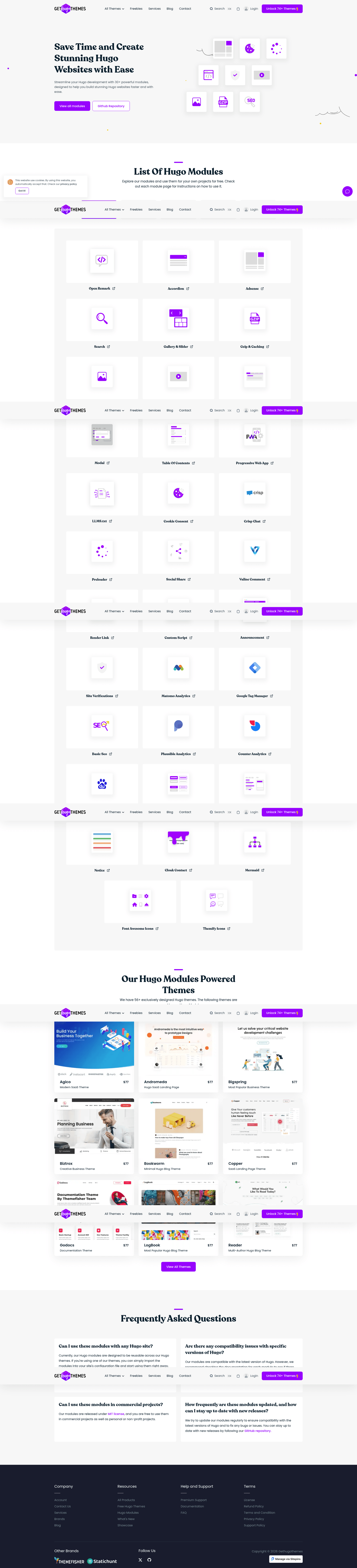
30+ Powerful Hugo Modules Created By Gethugothemes.

Asset pipeline for Jekyll that collects, converts and compresses JavaScript and CSS assets.
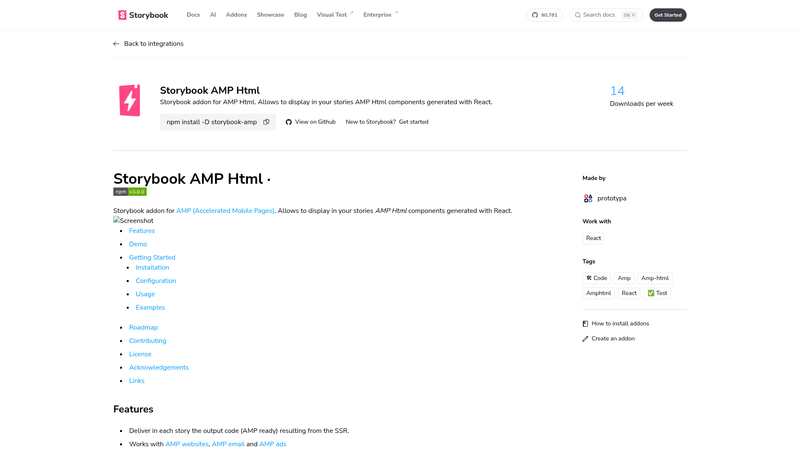
⚡ Addon to render and validate AMP html in Storybook
All-in-one natural hand controller, pointer, and gaze interaction library for A-Frame
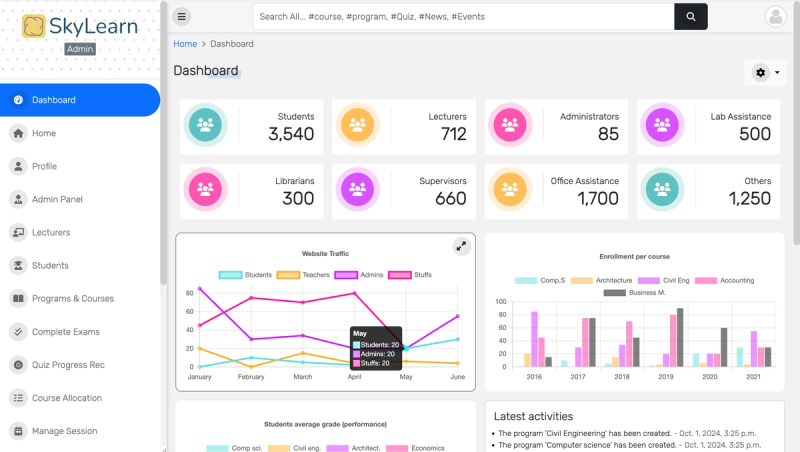
Open-source learning management system built with Django, featuring course management, grading, online quizzes, and PDF report generation.
hugo-modules is the open-source Hugo module collection from Gethugothemes — a developer toolkit of 30+ Go-based modules that extend Hugo sites with components, shortcodes, SEO tools, icons, PWA, and performance features.
hugo-modules is an open-source repository published by Gethugothemes, the team behind premium Hugo themes like Bigspring, Reader, Agico, Logbook, and Copper. It is a library of 30+ Hugo modules that plug into a Hugo site's module configuration and extend it with pre-built features such as image handling, gallery sliders, site search, video embeds, accordions, tabs, modals, table of contents, gzip caching, and PWA support. Each module lives in its own directory with its own usage instructions, and the whole project is licensed under the MIT License.
Each module is a separate directory in the repository with its own page of installation and usage instructions. The modules are intended to be pulled into your project through Hugo's module system — the site's module configuration declares which module to load and how it should be applied — and Gethugothemes suggests reading each module's page before use.
The entire collection is free to use. The repository is published under the MIT License, and the project description states the modules are available "for free" for use in your own projects.
Yes. The repository is licensed under the MIT License and the project page states the modules can be used in your own projects for free, including in commercial Hugo themes.
The repository lists more than 30 modules, grouped into Images, Gallery Slider, Search, Videos, Accordion, Tab, Modal, Table Of Contents, PWA, LLMS.txt, Components, SEO Tools, Shortcodes, and Icons.
Gethugothemes uses GitHub Issues as the official bug tracker. Before opening a new issue, the project asks you to search existing issues to see if the problem has already been reported.
Contributors fork the repository, make changes, and submit a pull request to the main branch. The project welcomes feedback, suggestions, and contributions from the community.
The project page lists Bigspring, Reader, Agico, Logbook, and Copper as Hugo themes powered by these modules, along with a 68+ Themes Bundle sold by Gethugothemes.