Newsletter
Join the Community
Subscribe to our newsletter for the latest news and updates

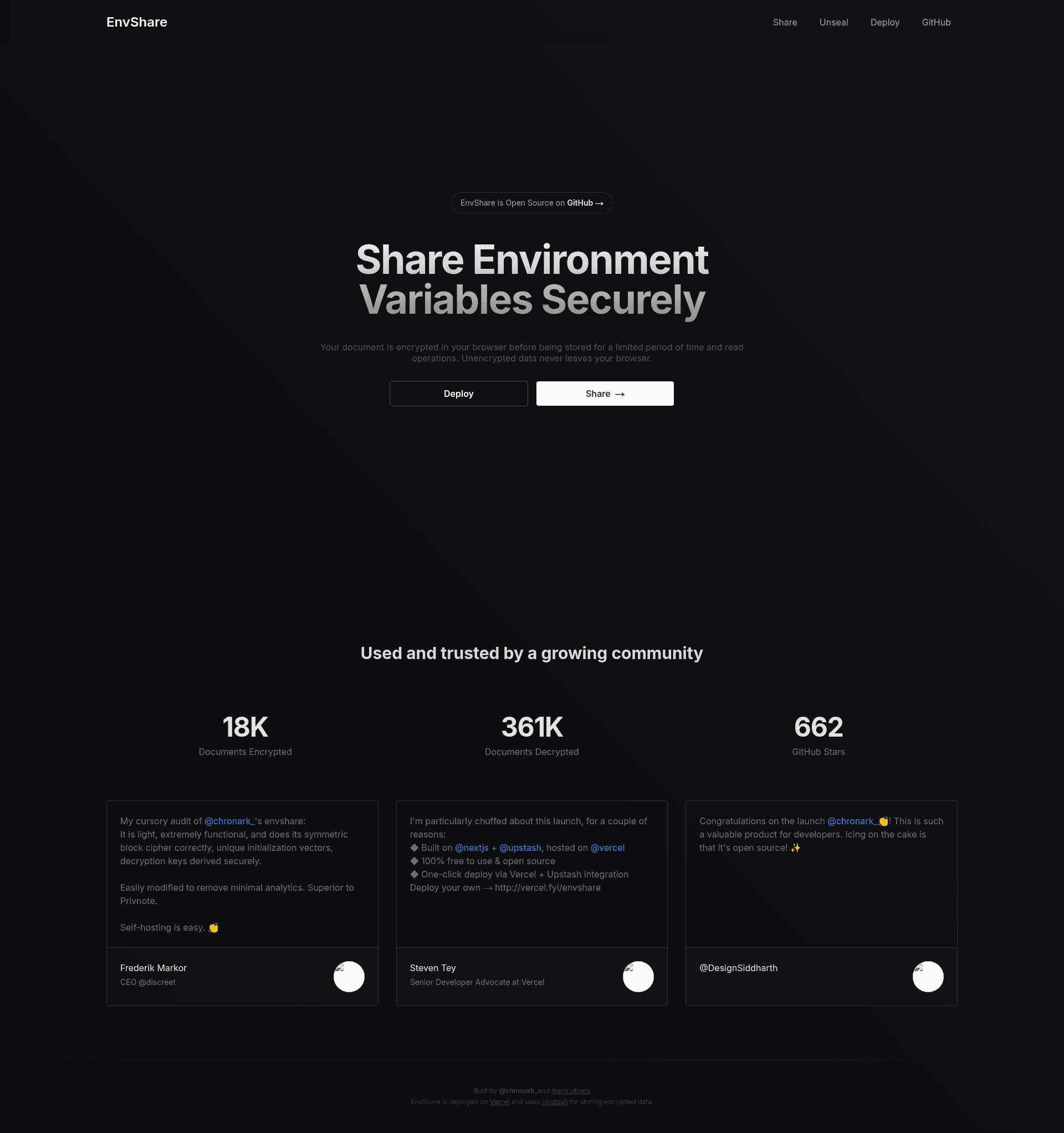
Share environment variables securely with AES-GCM encrypted, expiring links
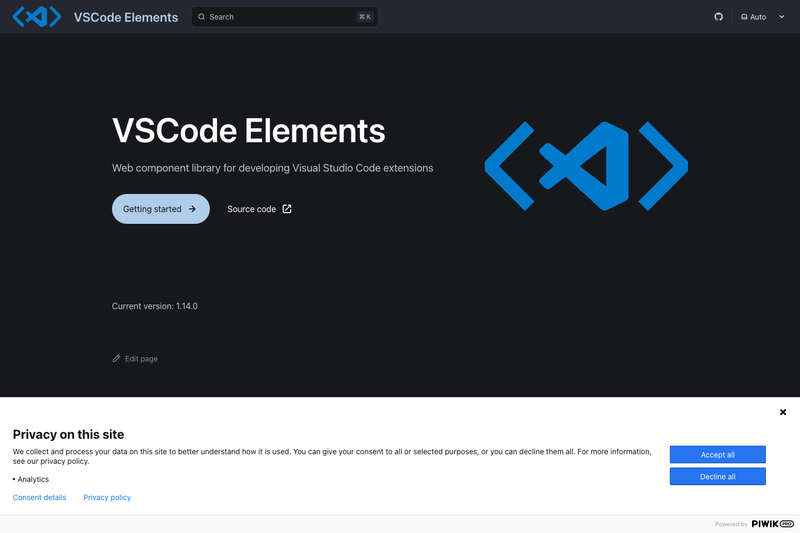
Lit-based web component library for building Visual Studio Code extension webviews.
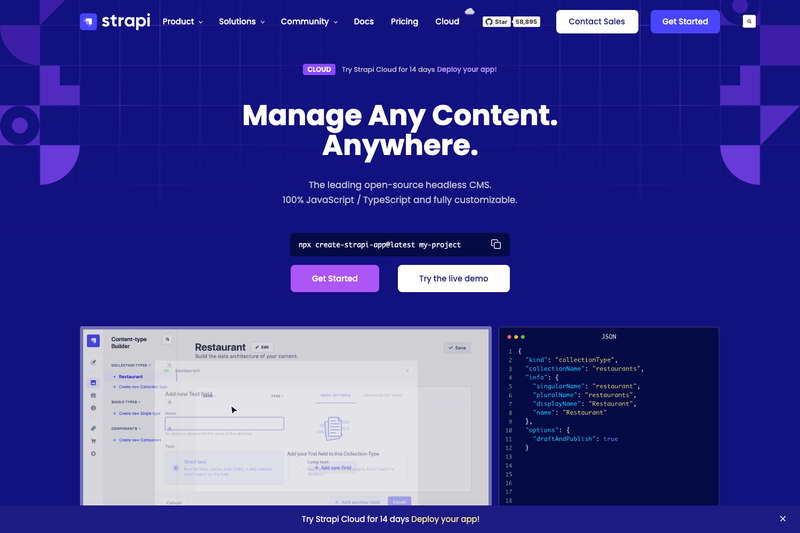
Jekyll plugin to retrieve content from any Strapi API.
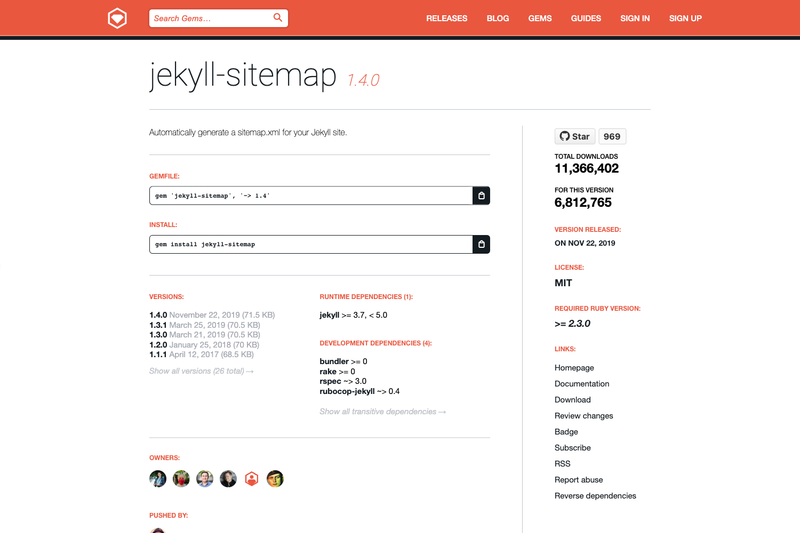
Jekyll plugin to silently generate a sitemaps.org compliant sitemap for your Jekyll site.
Asset pipeline for Jekyll that collects, converts and compresses JavaScript and CSS assets.
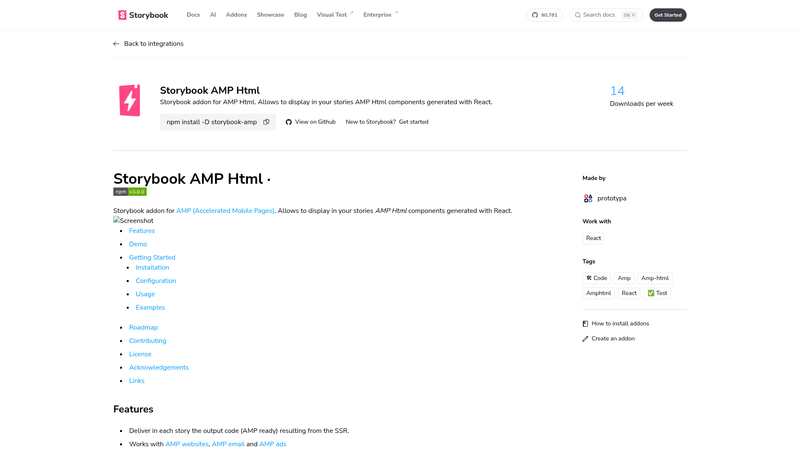
⚡ Addon to render and validate AMP html in Storybook
EnvShare is an open-source web tool for securely sharing environment variables and other secrets via encrypted, expiring links, built with Next.js and Tailwind CSS.
EnvShare is a self-hostable web application that shares secrets by generating encrypted, expiring links. It uses AES-GCM encryption in the browser before any data is sent to the server, and the encryption key never leaves the browser. The project is built on Next.js, styled with Tailwind CSS, deployed on Vercel, and stores encrypted data in an Upstash Redis database. The source is available on GitHub under the chronark account and a live instance runs at envshare.dev.
https://envshare.dev/api/v1/secret/HdPbXgpvUvNk43oxSdK97u, that can be shared with anyone.envshare-reads header when storing the secret; omitting the header allows unlimited reads.envshare-ttl header; the default is 30 days and a value of 0 disables expiration.POST /api/v1/secret and retrieve them with GET /api/v1/secret/{id} using simple curl commands.ENABLE_VERCEL_ANALYTICS environment variable; it is off by default.To store a secret, encrypt it in the browser (or with your own tool) and send the ciphertext to the API endpoint. The server stores it in Upstash Redis along with optional TTL and read-count settings, then returns a unique ID. The recipient fetches the secret from the returned URL; the browser decrypts it locally using the key that never left the sender's side. The API explicitly warns against uploading unencrypted secrets.
EnvShare is open-source, so you can self-host it for free if you provide your own Upstash Redis database and Vercel deployment. The public site at envshare.dev is available for use, but the README does not document a pricing model for the hosted instance.
EnvShare uses AES-GCM encryption. The key is generated and used entirely in the browser, and the server never receives the key, only the encrypted payload.
Yes. Send the envshare-reads header when creating a secret to limit how many times the URL can be opened. If the header is omitted, the secret can be read an unlimited number of times.
By default, secrets expire after 30 days. You can change this by sending the envshare-ttl header with the desired lifetime in seconds, or set it to 0 to disable expiration entirely.
Yes. The README shows two curl commands: one to store an encrypted secret and one to retrieve it. The response includes the secret ID, TTL, read count, expiration timestamp, and the full retrieval URL.