Newsletter
Join the Community
Subscribe to our newsletter for the latest news and updates

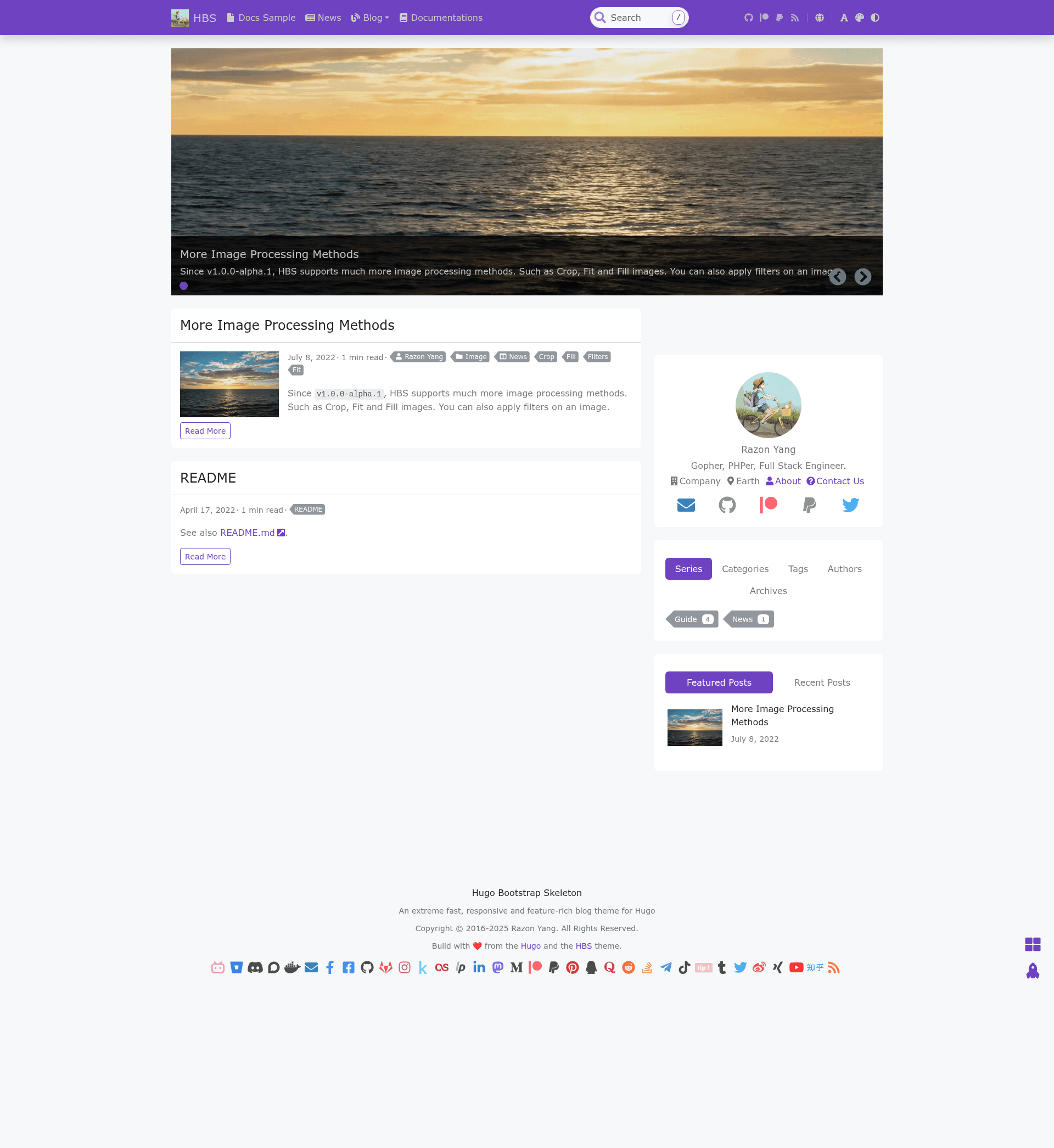
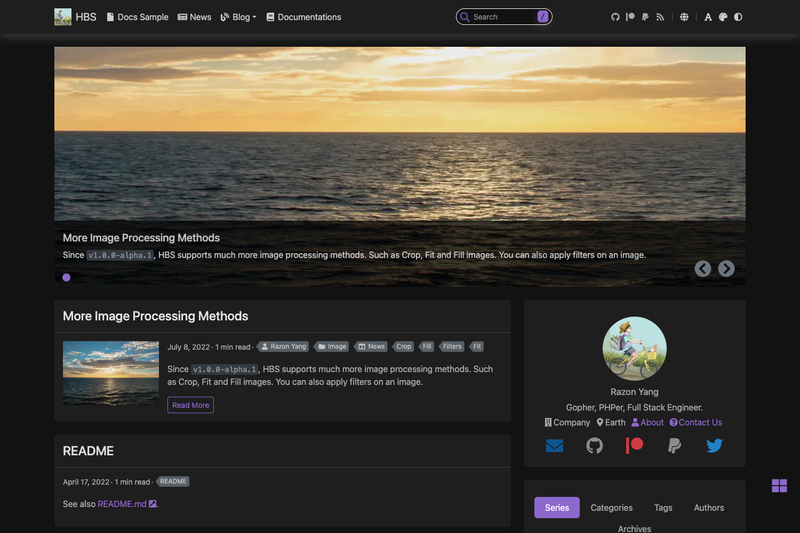
The starter template of Hugo Bootstrap Theme.
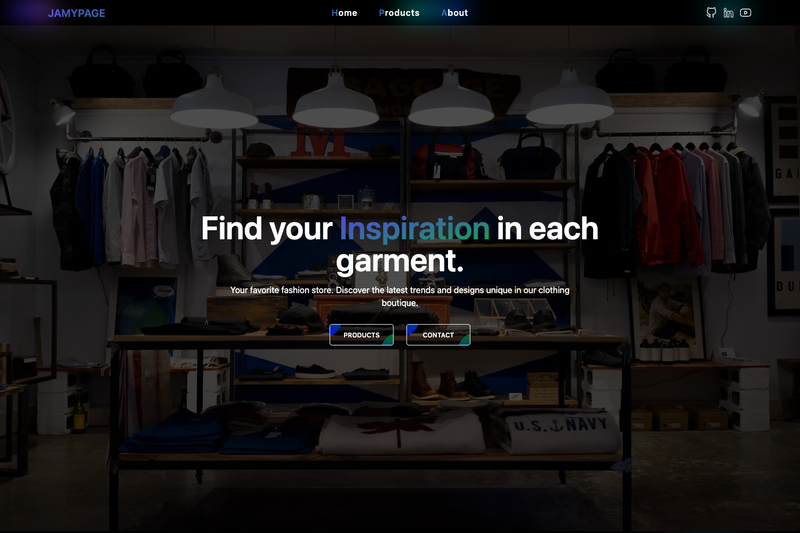
A fast Astro and Tailwind CSS website template with Home, Products, and About Us sections.
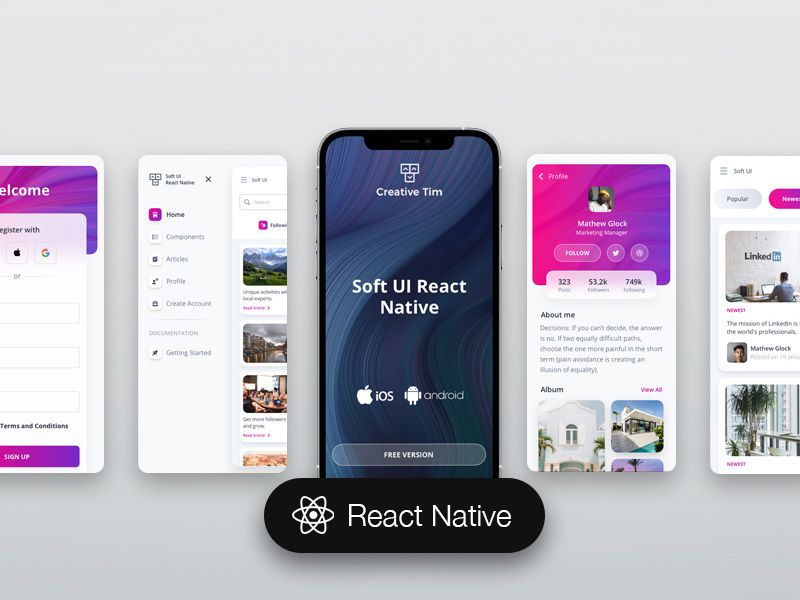
Fully coded React Native and Expo app template with Soft UI design system components for building e-commerce mobile apps.
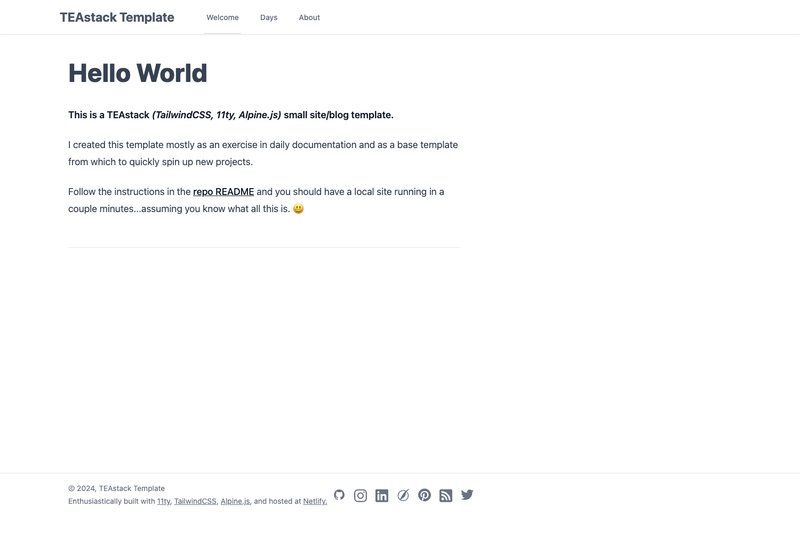
A minimal TEAstack (TailwindCSS, 11ty, AlpineJS) for testing, tutorials, and basic blog publishing.

An opinionated stack for those who want to live on the edge (TypeScript & Tailwind + Astro + Prisma & PlanetScale)
Hugo Theme Bootstrap Skeleton is a starter template for the Hugo Bootstrap Theme that installs the theme as a Hugo module, giving you a pre-configured Hugo site with Bootstrap styling.
Hugo Theme Bootstrap Skeleton is a starter template for Hugo Bootstrap Theme, a Hugo theme based on the Bootstrap CSS framework. It installs the theme as a Hugo module via a go.mod file, so a new site pulls the theme without vendoring the source. The template includes configuration files under config/_default, example layout hooks, and deployment workflows for GitHub Pages, Netlify, and Docker. It is maintained by razonyang and runs on Hugo, the static site generator.
go.mod, making upgrades a single hugo mod get command.docker compose run server npm ci then docker compose up to develop without installing Hugo or Node locally..github/workflows/gh-pages.yml) and supports Netlify and Cloudflare Pages out of the box.config/_default/config.yaml; the baseURL must be set there for correct CSS, JS, and sitemap generation.layouts/partials/hooks folder demonstrates how to inject content via partials, and can be deleted if unused.utterances.* or giscus.* parameters for GitHub-based comments.HUGO_MODULE_PROXY to goproxy.cn or goproxy.io to avoid module download failures.The workflow is: clone the repository (or use GitHub's "Use this template" button), edit go.mod to change the module path to your repo, then commit and push. For local development, either run Docker Compose or install dependencies with npm ci and start hugo server. To upgrade the theme, run hugo mod get github.com/razonyang/hugo-theme-bootstrap@master, then hugo mod npm pack and npm update.
Since it's a GitHub repository with no listed price, it's free to use and modify. The template doesn't state a license, so you should check the repository for licensing details.
The template includes a GitHub Actions workflow at .github/workflows/gh-pages.yml. After setting your baseURL in config/_default/config.yaml, push the repository to GitHub and enable GitHub Pages. You may need to remove the -b {url} flag from the workflow.
If you use the Docker Compose workflow, no local Hugo or Node installation is required. Otherwise, you need the build tools (Hugo and npm) installed and run npm ci then hugo server.
Run hugo mod get github.com/razonyang/hugo-theme-bootstrap@master (or a stable release tag), then hugo mod npm pack and npm update. Commit the updated go.mod, go.sum, package.json, and package-lock.json.
Set the environment variable HUGO_MODULE_PROXY to https://goproxy.cn or https://goproxy.io, or configure module.proxy in your Hugo config. Hugo does not respect the GOPROXY environment variable.