Newsletter
Join the Community
Subscribe to our newsletter for the latest news and updates

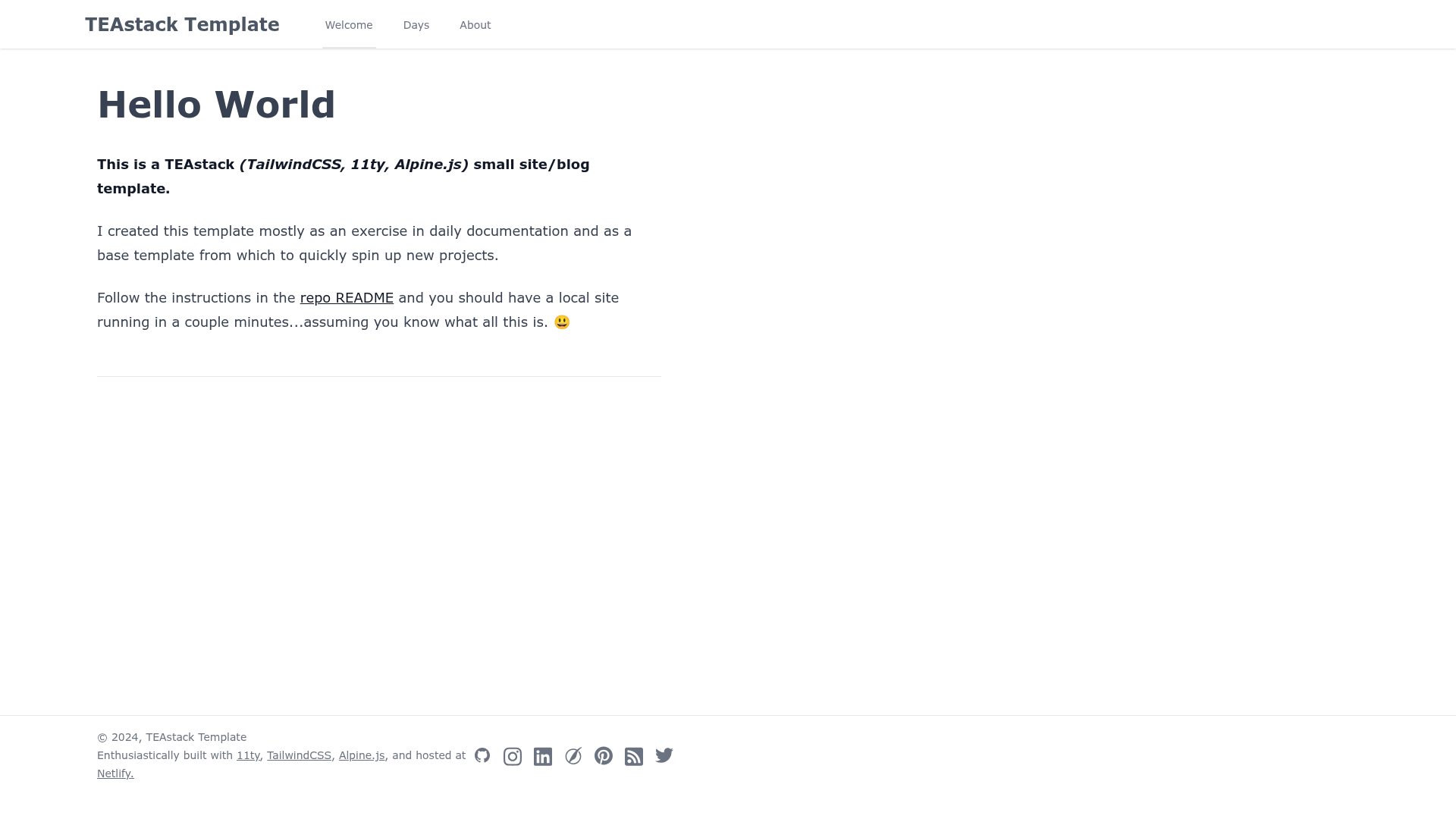
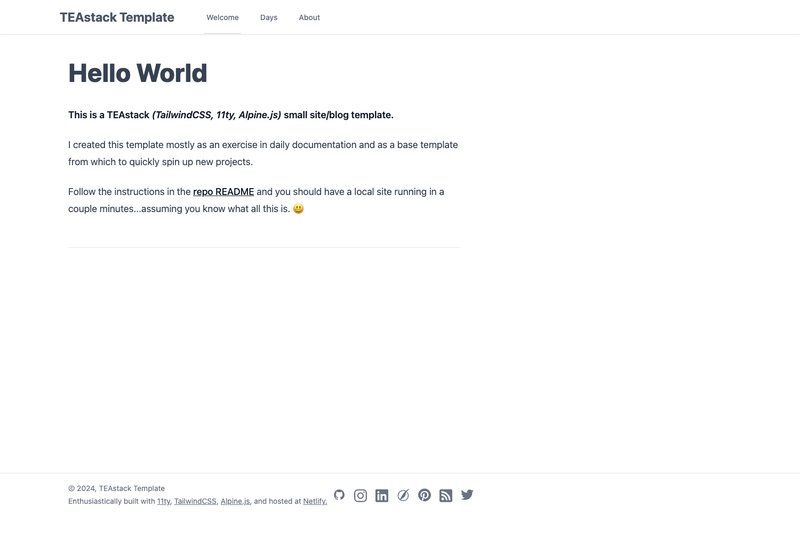
A minimal TEAstack (TailwindCSS, 11ty, AlpineJS) for testing, tutorials, and basic blog publishing.

Open Source NextJS, Typescript and TailwindCSS Multipurpose Landing Page Theme
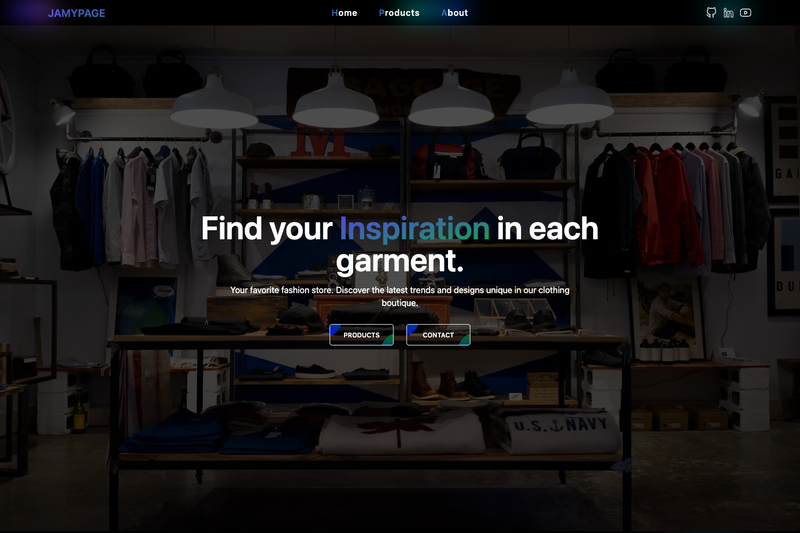
A fast Astro and Tailwind CSS website template with Home, Products, and About Us sections.
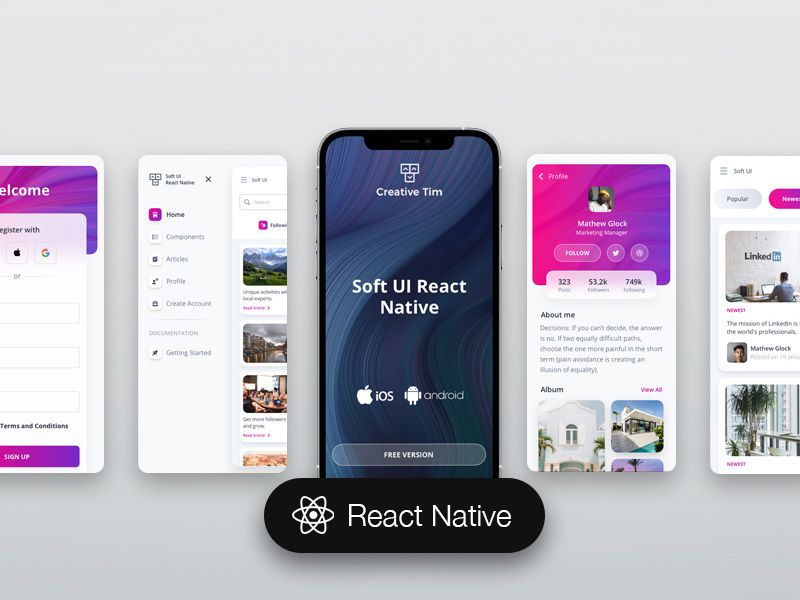
Fully coded React Native and Expo app template with Soft UI design system components for building e-commerce mobile apps.
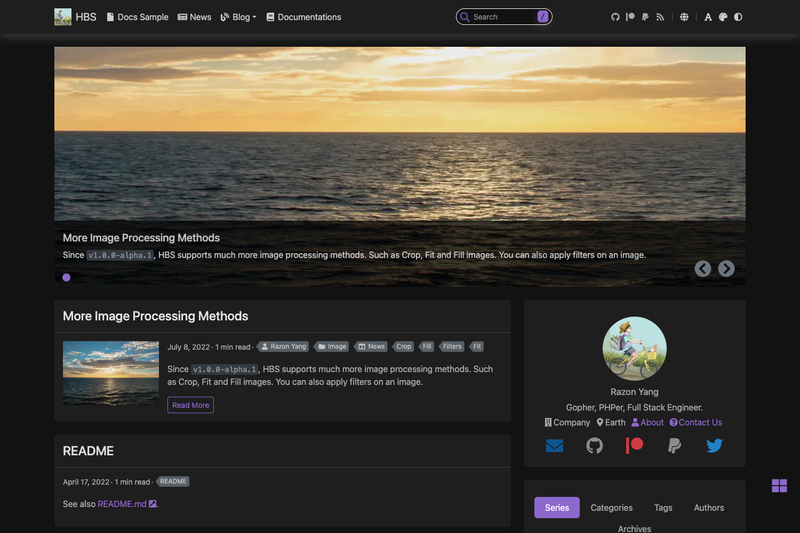
The starter template of Hugo Bootstrap Theme.
Tea Base Template is a minimal Eleventy (11ty) starter that combines TailwindCSS and AlpineJS into a single TEAstack for building test sites, tutorials, and simple blogs, with a live demo at teastack.netlify.app.
Tea Base Template is a GitHub repository that provides a base project structure for the TEAstack (TailwindCSS, Eleventy, AlpineJS). It takes Markdown content files as input and outputs a static website using the Eleventy static site generator. The template is maintained as a free open-source starter, currently at version 2 with an updated 11ty and Tailwind setup, and is designed around a #100DaysOfCode blog workflow.
Clone the repository with git, run npm install to install dependencies, then npm run dev to start the Eleventy dev server at http://localhost:8080. Edit files in the /src directory; changes appear in the browser automatically through hot reloading. To build the production output, you'd run the corresponding npm build script (the README focuses on the dev workflow).
Yes, the template is open source and available on GitHub, and you can clone and modify it without cost.
It generates a static blog site using Eleventy with TailwindCSS for styling and AlpineJS for interactivity. You write content in Markdown and manage site data in JSON files.
No, it doesn't include a CMS. Content is managed through Markdown files and JSON data files, which is typical for Eleventy projects.
Yes, the demo site is hosted at teastack.netlify.app, and the README describes pointing a Netlify site to your own clone for deployment.
The TailwindCSS Typography plugin applies default margins and padding to images. The README suggests removing the plugin from /tailwind.config.js and resetting typography in /src/assets/css/tailwind.css if you need more image control.