Newsletter
Join the Community
Subscribe to our newsletter for the latest news and updates

Open-source framework to build professional sites from Markdown — landings, blogs, portfolios, docs — with AI generation and no lock-in.
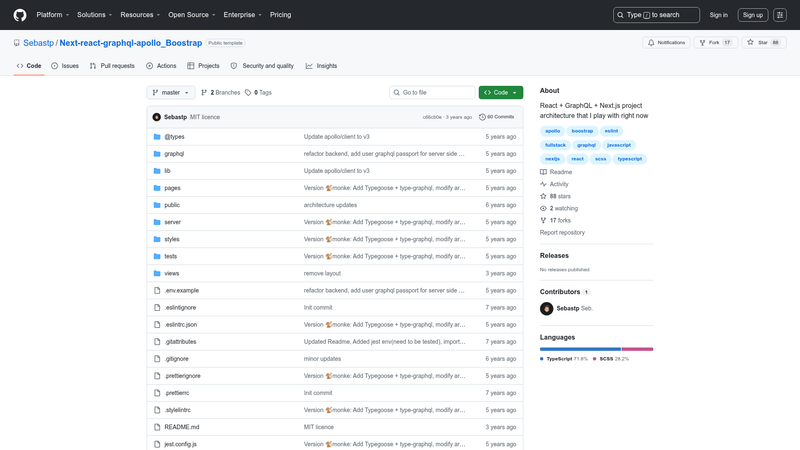
MIT-licensed full-stack Next.js starter with TypeScript, GraphQL (Apollo), SCSS styling, and preconfigured ESLint, Prettier, and Jest.
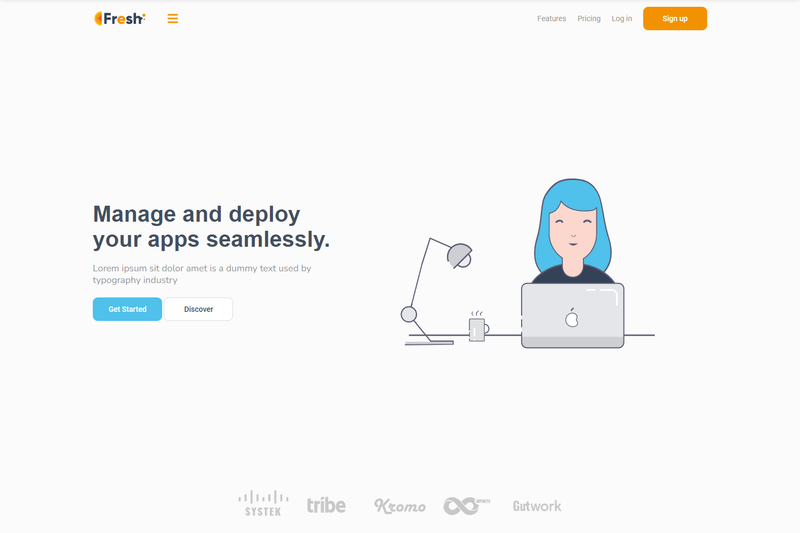
Fresh is a free landing page starter built with Astro, Bulma and Alpine JS.
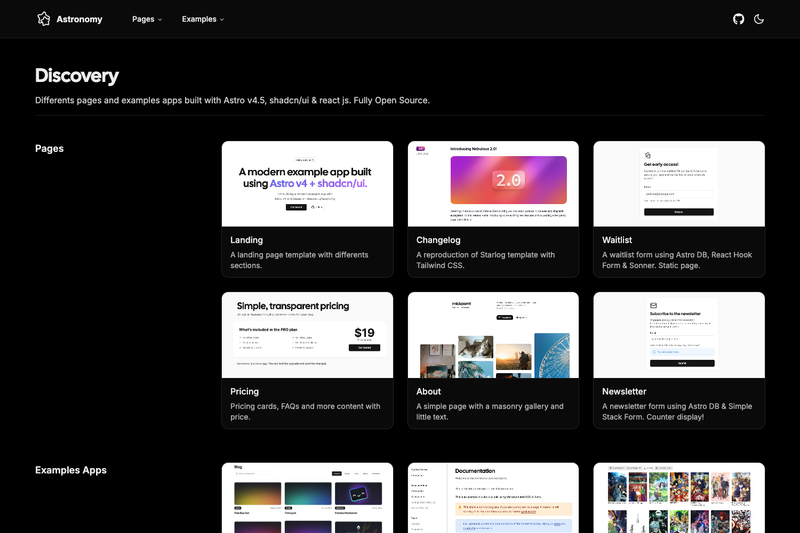
Open source example app built with Astro v4 and shadcn/ui, showcasing MDX content, API routes, and React UI components.
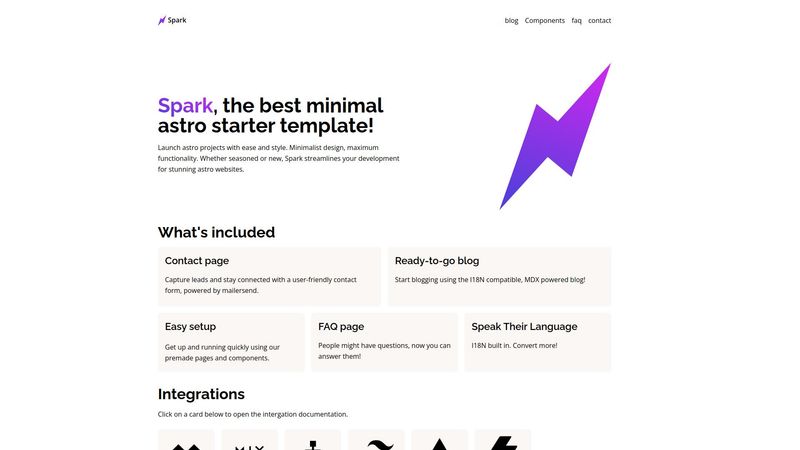
Astro starter template with Alpine.js, Tailwind CSS, MDX, sitemap generation, and SEO for static sites.
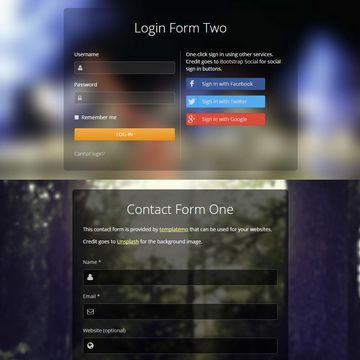
Free HTML5 CSS template with login, email, forgot password, create account, and payment forms.
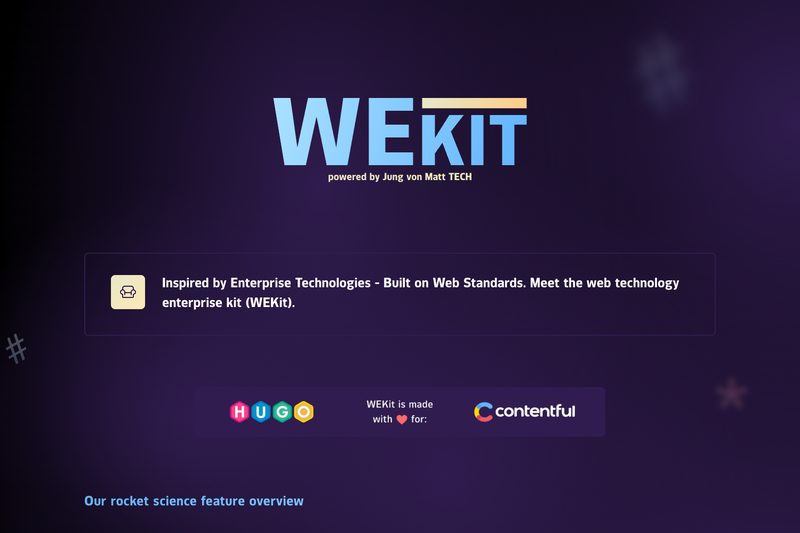
A Jamstack boilerplate for Contentful-backed, multilingual Hugo sites with Netlify deployment.
HugoBlox is an open-source website framework that builds professional sites — landing pages, portfolios, blogs, documentation, and more — from plain Markdown using Hugo, Tailwind CSS, and Hugo Chat AI generation.
HugoBlox is an open-source framework for building professional websites from structured Markdown, running on the Hugo static site generator with Tailwind CSS styling. It takes either a pre-built template or a plain-English description via Hugo Chat AI and produces static HTML output backed by Markdown files that you own. Created by Lore Labs and trusted since 2016, it's MIT licensed and has powered over 150,000 sites.
hugoblox create site to scaffold a project from the terminal.HugoBlox is free and open source under the MIT license, with free hosting options on all major static hosts. Hugo Chat includes a daily free message allowance with no credit card required. A paid Pro tier adds visual editing, AI automations, BibTeX import, and priority support.
Yes, the framework is MIT licensed, hosting can be free on static services, and Hugo Chat offers free messages every day without a credit card. A Pro tier exists for advanced editing and automation features.
No. Hugo Chat produces plain Markdown files with Hugo front matter and shortcodes. The final site compiles to static HTML, so there is no React codebase to maintain.
HugoBlox is built on the Hugo static site generator and Tailwind CSS. It ships with 20+ structured content types, a block-based page builder, and an optional CMS extension for VS Code.
Yes. The Ownable CMS extension for VS Code provides drag-and-drop block editing, live preview, and YAML validation. For non-technical contributors, editing a single Markdown file is sufficient because fields are labeled.
The project reports over 150,000 sites created since 2016, with users at NVIDIA Research, Stanford, Meta, MIT, King's College London, and OpenAI. It's rated 4.9/5 in an official user survey.