Newsletter
Join the Community
Subscribe to our newsletter for the latest news and updates

Framework-agnostic Hugo theme providing layouts, content types, i18n, and archetypes, with swappable styling modules.
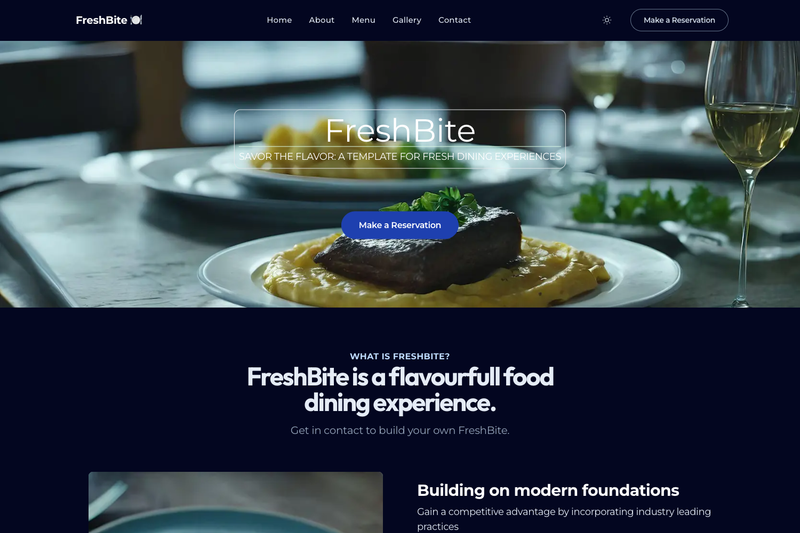
Restaurant website template built with Astro and Tailwind CSS.

Boilerplate for Nuxt.js + Tailwind CSS with a pre-configured dark mode feature.
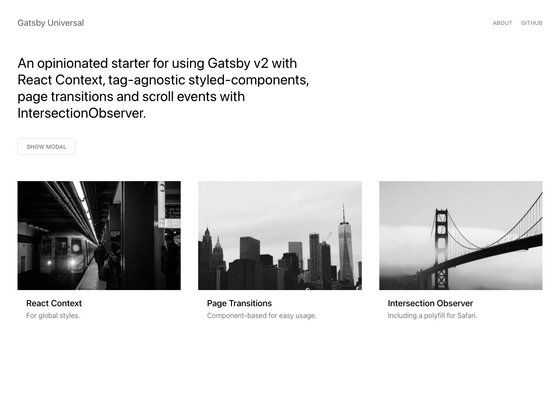
An opinionated Gatsby v2 starter for state-of-the-art marketing sites with React Context, styled-components, page transitions, and accessibility/SEO focus.
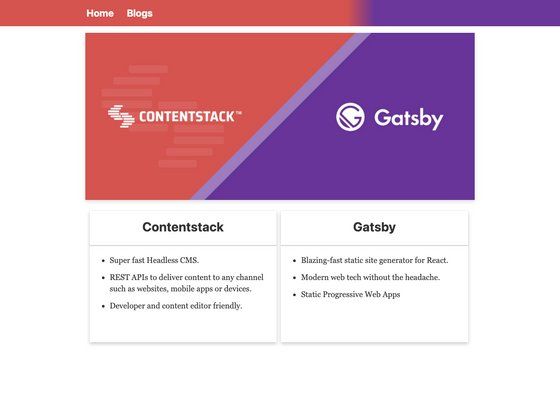
A Gatsby starter for building marketing websites with blog pages, powered by Contentstack headless CMS.
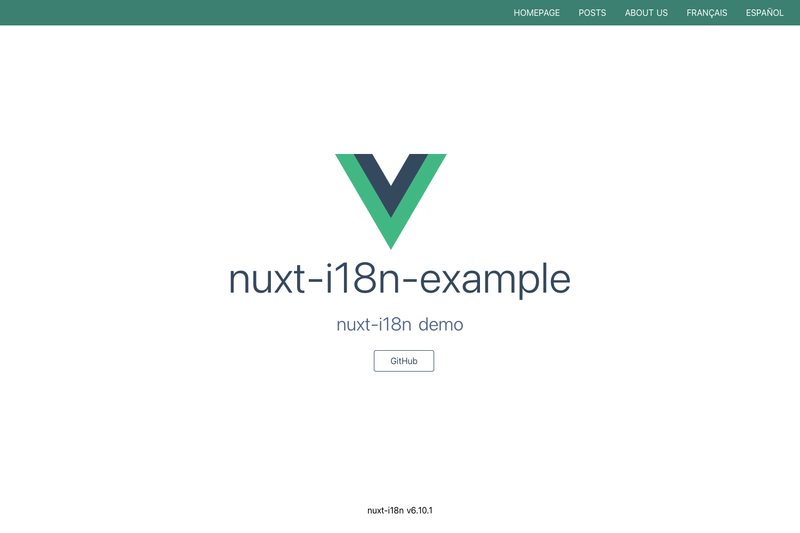
nuxt-i18n showcase project based on nuxt-starter template
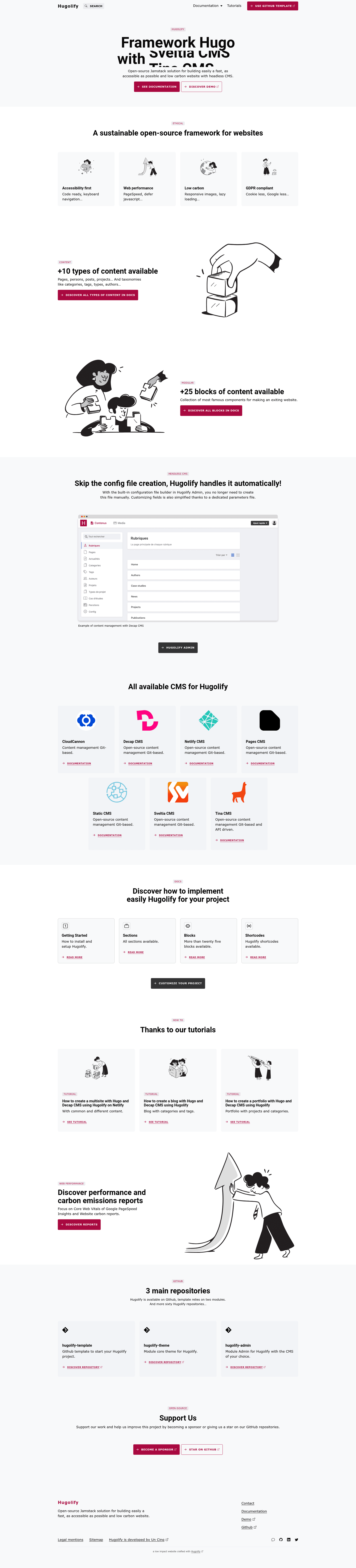
Hugolify theme is a framework-agnostic core theme for Hugo that supplies layouts, content types, i18n, and archetypes while deferring all CSS and JavaScript to swappable styling modules.
Hugolify theme is a free, MIT-licensed static-site theme for Hugo, the Go-based static site generator. It ships only structure: layouts, content types, i18n strings, and archetypes; no CSS or JavaScript is included. Styling and interactivity come from a separate module, such as hugolify-theme-bootstrap (Bootstrap 5 + SASS), which you declare in the site config. The project is maintained by the Hugolify team and offers a demo at demo.hugolify.io.
module.yaml, letting you swap the whole look without touching templates.btn, col-small, and badge-primary, while JS hooks use js-* classes, so any styling solution can be applied.assets/sass/ and assets/js/ in your site to override module assets; Hugo merges them so your files take precedence.assets/sass/main.sass entry point, js-* hooks) to style the theme your way.Installation is either via the Hugolify starter template or by adding the theme and a styling module as Hugo imports in config/_default/module.yaml. Two imports are needed: github.com/hugolify/hugolify-theme/v2 and a styling module like github.com/hugolify/hugolify-theme-bootstrap. To switch styling, replace the second import with another module, such as the upcoming hugolify-theme-design-system.
js-* classes and renaming grid/badge classes.Hugolify is free for personal or commercial projects under the MIT license.
Blowfish and PaperMod are other popular Hugo themes; Blowfish offers a feature-rich start for content sites, while PaperMod focuses on minimal, fast blogs.
Yes, Hugolify is released under the MIT license and is free for personal or commercial projects.
No, the core hugolify-theme v2 contains layouts, content types, i18n, and archetypes only. CSS and JS come from a separate styling module like hugolify-theme-bootstrap.
Officially, hugolify-theme-bootstrap (Bootstrap 5 + SASS with Vanilla JS) and a work-in-progress hugolify-theme-design-system based on vanilla CSS design tokens. You can also create your own.
Replace JavaScript hooks using data-bs-toggle and data-bs-target with class="js-*" plus data-target, update grid classes from col-md-* to col-small, col-medium, col-large, and change badge classes from text-bg-* to badge-*.
Yes, Hugolify integrates Pagefind for search, along with a search documentation page.