Newsletter
Join the Community
Subscribe to our newsletter for the latest news and updates

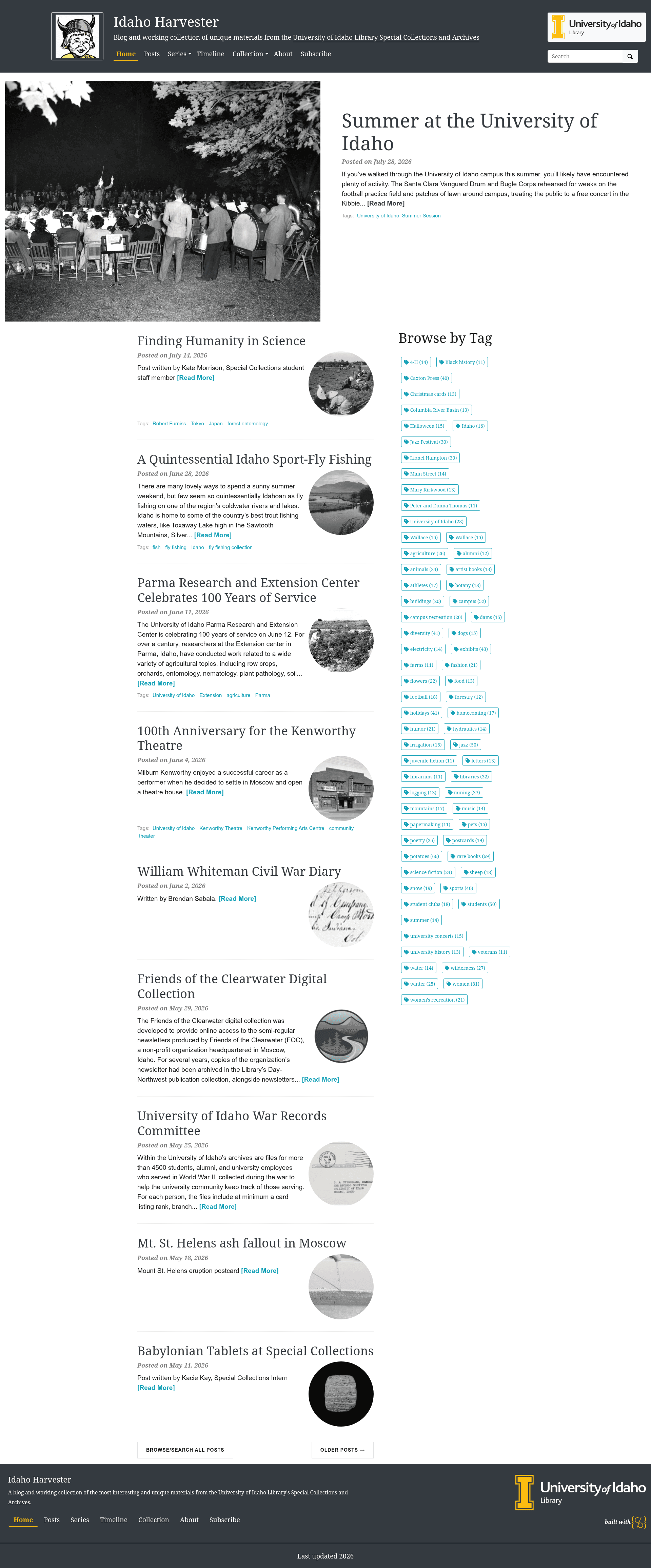
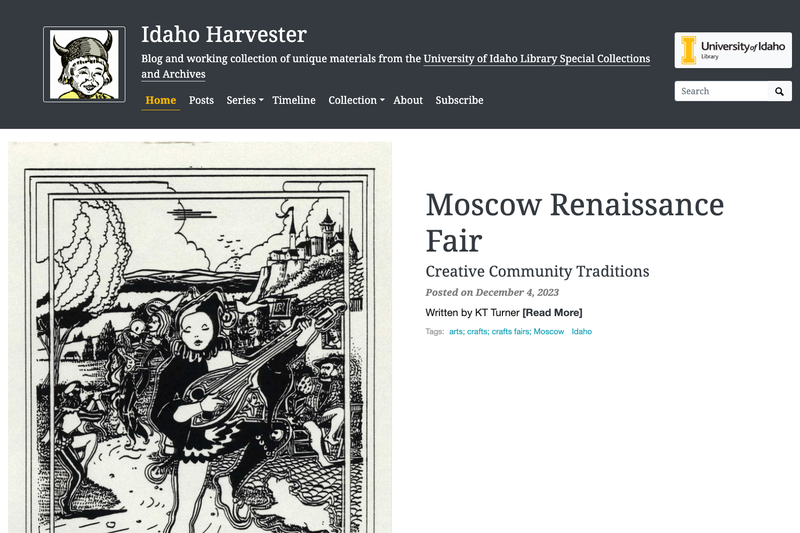
A CollectionBuilder-based static web project for publishing a blog and digital collection of archive materials.
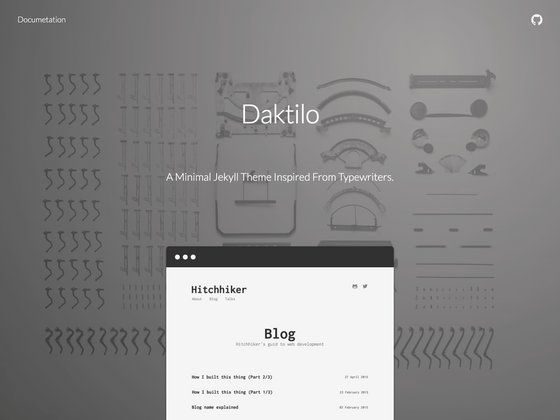
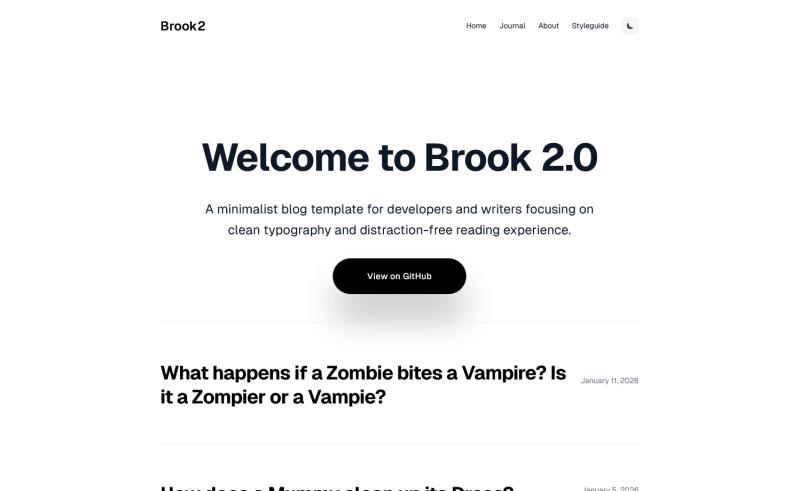
A Jekyll theme with a minimal design inspired by typewriters.
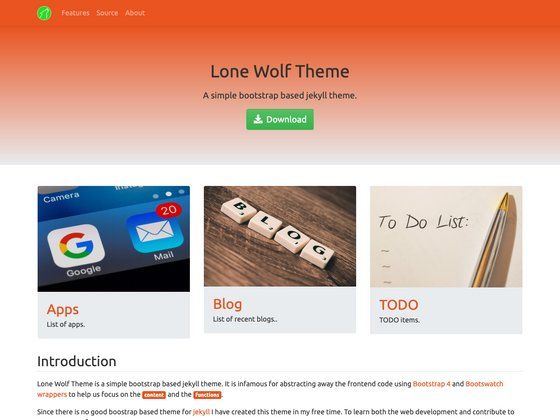
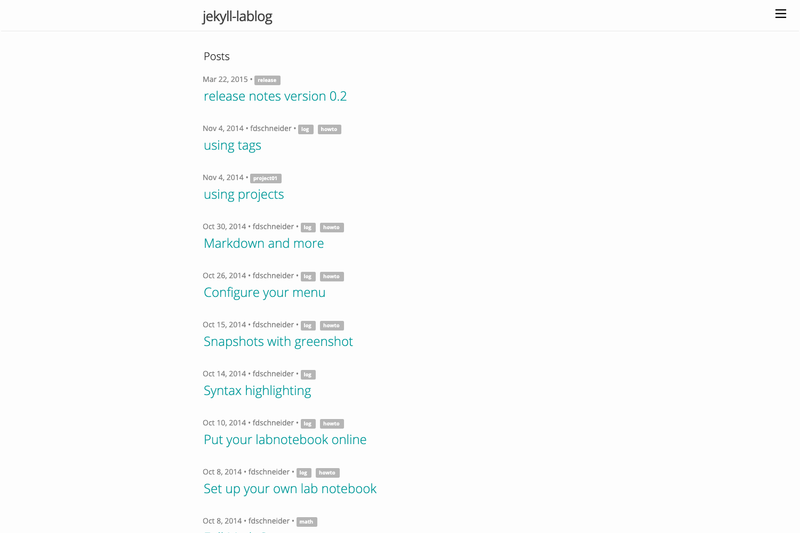
A simple Bootstrap 4 based Jekyll theme for GitHub Pages, installable as a remote theme or Ruby gem.
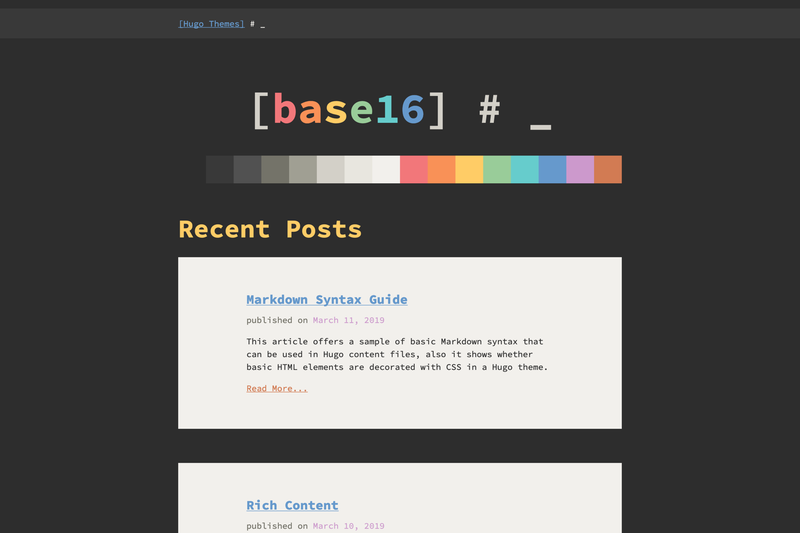
Hugo theme with Base16 Eighties colorscheme, Pygments syntax highlighting, and figure shortcode support.

Minimalistic light-on-dark Jekyll blog theme with featured images, MathJax, and Font Awesome support.
Idaho Harvester is a static blog and digital collection web project built on CollectionBuilder that lets libraries and archives publish curated unique materials with a Jekyll-generated site and client-side search.
Idaho Harvester is a working collection and blog by staff of the University of Idaho Library Special Collections and Archives, generated as a static web project with CollectionBuilder. It takes collection metadata and editorial blog posts as input and produces a static website with item pages, a blog feed, and full-text search. The site runs on Jekyll and uses Lunr for client-side search indexing, so no backend server or database is required for the public site.
Idaho Harvester is designed for librarians, archivists, and cultural heritage staff who need a simple way to publish a blog alongside a digital collection. It suits institutions that want a lightweight, static alternative to a full content management system, and it is particularly useful for teams already familiar with Jekyll or CollectionBuilder.
The workflow is metadata-driven: items are described in structured data files, blog posts are written in markdown, and Jekyll builds the static site. Lunr processes the metadata to create a searchable index. The resulting site can be deployed to GitHub Pages or any static host.
No, Idaho Harvester is a project that uses the static site generator Jekyll, configured through CollectionBuilder to produce a blog and digital collection. It generates plain HTML files that do not require a backend.
CollectionBuilder is an open-source framework for creating digital collection and exhibit websites. It provides templates and tooling built on Jekyll, including utilities for generating search indexes using Lunr, and is widely used by libraries and archives.
No, Idaho Harvester is a static project. Content is stored in metadata files and markdown, and the site is generated ahead of time. Visitors interact only with static files and the client-side search index.
Yes, because it is based on CollectionBuilder, the project structure is designed to be reusable. Any institution can adapt the metadata schema and blog layout for its own materials.