Newsletter
Join the Community
Subscribe to our newsletter for the latest news and updates

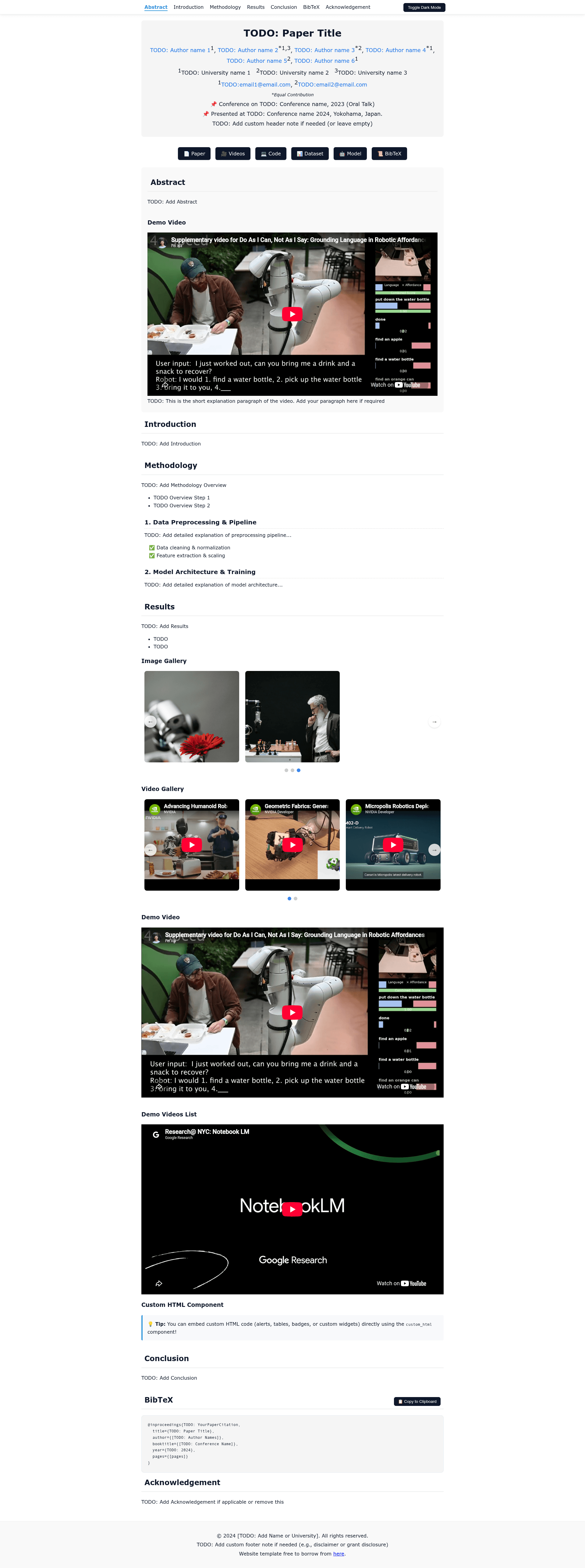
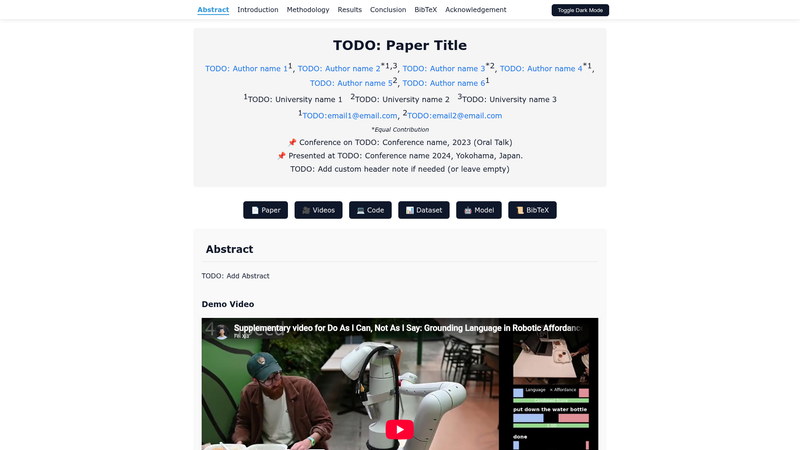
Zero-code, YAML-driven GitHub Pages template for research papers — edit data.yaml to publish a responsive academic website.
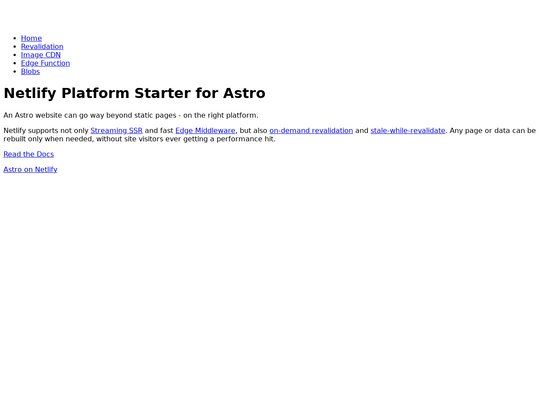
Starter template combining Astro.js, Tailwind CSS v4, and Netlify Core Primitives (Edge Functions, Image CDN, Blobs) for quick Netlify deployments.
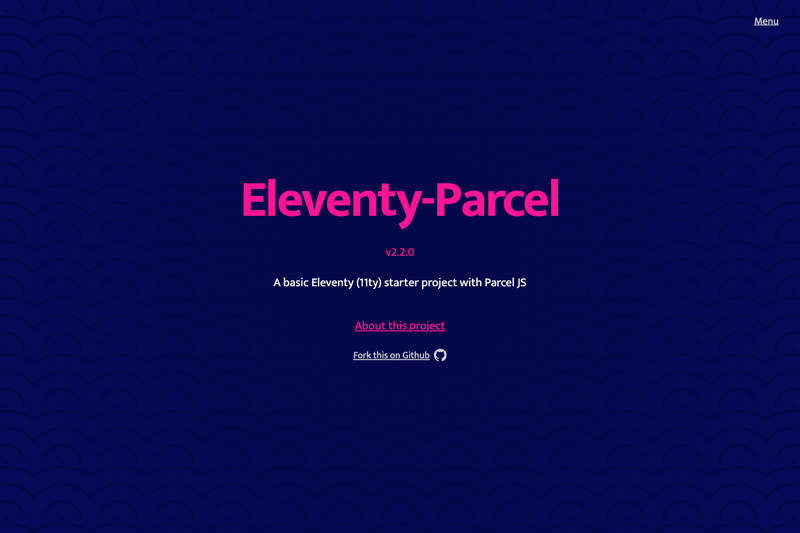
A starter boilerplate combining Eleventy static site generation with Parcel bundling for SCSS and JavaScript.

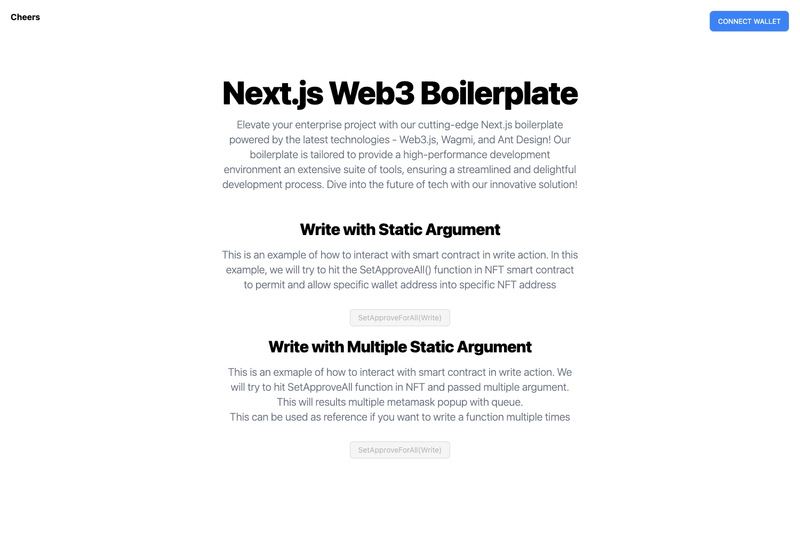
Landing page UI components & templates for React and Next.js, built on Tailwind CSS.

A Next.js chat template for eve with password-only starter mode and optional production auth, Neon persistence, and Upstash rate limiting.
iNdra GitHub Page Template for Research Papers is a free, zero-code website template that turns a single YAML file into a responsive research-paper page hosted on GitHub Pages.
iNdra GitHub Page Template for Research Papers is a static-site template for publishing academic papers, project pages, and conference artifacts. It takes a YAML configuration file named data.yaml as input and produces a full responsive webpage with paper title, authors, affiliations, conference badges, resource buttons, abstract, sections, subsections, image and video carousels, YouTube embeds, and a BibTeX copy button. The template is built with plain HTML, CSS, and JavaScript, runs on GitHub Pages, and is developed by Indramal; version 2 is the current release.
data.yaml to change text, authors, buttons, affiliations, and entire sections without touching HTML, CSS, or JavaScript files.USE_YAML_DATA to false in index.html to switch back to static HTML editing.USE_YAML_DATA to false.data.yaml in any text editor to fill in the paper title, authors, affiliations, buttons, abstract, and sections.main branch with the root folder. GitHub builds and publishes the page automatically.No. In YAML mode you only edit data.yaml; the template's JavaScript reads that file and renders the page. All styling and layout are handled by the included CSS. If you later want full control, you can switch to static HTML mode by changing USE_YAML_DATA to false.
Yes. The repository is free and open to fork, download, and modify for personal or academic use. The only cost is a GitHub account to host the page on GitHub Pages.
Yes. The template includes modular components for a single YouTube video, a YouTube playlist, an auto-sliding image carousel, and a video carousel. Add them under any section or subsection in data.yaml.
Search engine crawlers read HTML metadata from index.html, not from data.yaml. The README recommends updating the <title>, <meta name="description">, and <meta property="og:title"> tags in index.html for optimal SEO and social media link previews.
Yes. The settings block in data.yaml allows you to set the page max_width, enable nav_shadow, nav_scroll_highlight, choose a nav_highlight_color, and even change the button colors and label texts.