Newsletter
Join the Community
Subscribe to our newsletter for the latest news and updates

Landing page UI components & templates for React and Next.js, built on Tailwind CSS.
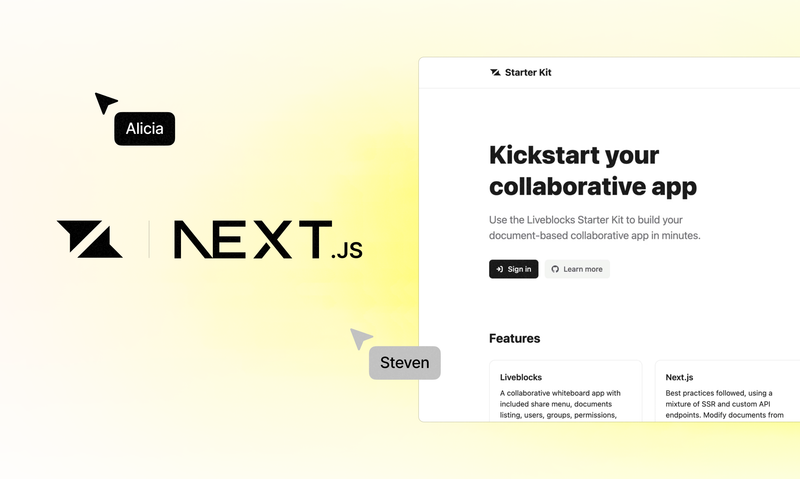
A realtime collaborative Next.js starter kit with dashboard, whiteboard, text docs, note editor, drawing canvas, and presence.
Starter template combining Astro.js, Tailwind CSS v4, and Netlify Core Primitives (Edge Functions, Image CDN, Blobs) for quick Netlify deployments.
A starter boilerplate combining Eleventy static site generation with Parcel bundling for SCSS and JavaScript.
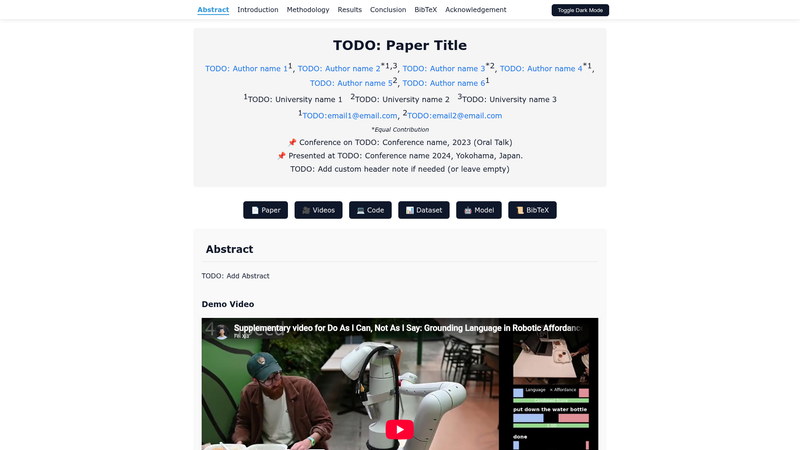
Zero-code, YAML-driven GitHub Pages template for research papers — edit data.yaml to publish a responsive academic website.
Page UI is an open-source collection of landing page components and copy-paste templates for React and Next.js, styled with Tailwind CSS and inspired by Shadcn UI.
Page UI is a free, MIT-licensed library of landing page UI components and full-page templates that developers copy directly into their own React or Next.js projects. It takes a Next.js app with Tailwind CSS as its input and produces ready-to-paste TypeScript components, CSS utilities, and design tokens for building marketing pages. The project was created by the developer behind Shipixen and Page AI, and is distributed through npm as the @page-ui/wizard CLI plus demo pages on pageui.dev and shipixen.com.
create-next-app, running npx @page-ui/wizard@latest init sets up the required files and config.global.css, including hard-shadow effects, left/right perspective transforms for screenshots, and container widths like container-narrow, container-wide, and container-ultrawide.@radix-ui/react-accordion, lucide-react, class-variance-authority, tailwind-merge, @tailwindcss/forms, @tailwindcss/typography, and tailwindcss-animate.The README documents a four-step setup: create a new Next.js app with create-next-app, run the Page UI CLI initializer, install the listed npm dependencies, and add the provided CSS to global.css. After that, you visit the template demo pages, copy the section or page you want, and paste it into your project.
Page UI is free. The templates and components are released under the MIT license, and the CLI is available through npm.
Yes, Page UI is free and open source. All templates and components are released under the MIT license, and the CLI is published on npm. The project's README describes the collection as "free templates, components and examples."
Not yet. The README contains a warning that Page UI currently works with Tailwind v3 and that support for v4 is being worked on. If your project uses Tailwind v4, you should wait for the update or pin the project to v3.
Create a new Next.js app with TypeScript and Tailwind, run npx @page-ui/wizard@latest init, install the dependency list from the README, and add the provided CSS variables and utilities to your global.css. Then copy templates from the demos at shipixen.com.
Page UI is a free open-source collection of landing page components and templates. Shipixen is a related product in the same ecosystem that creates a personalized blog and landing page in minutes; the README suggests using Shipixen to skip the manual Page UI setup.