Newsletter
Join the Community
Subscribe to our newsletter for the latest news and updates

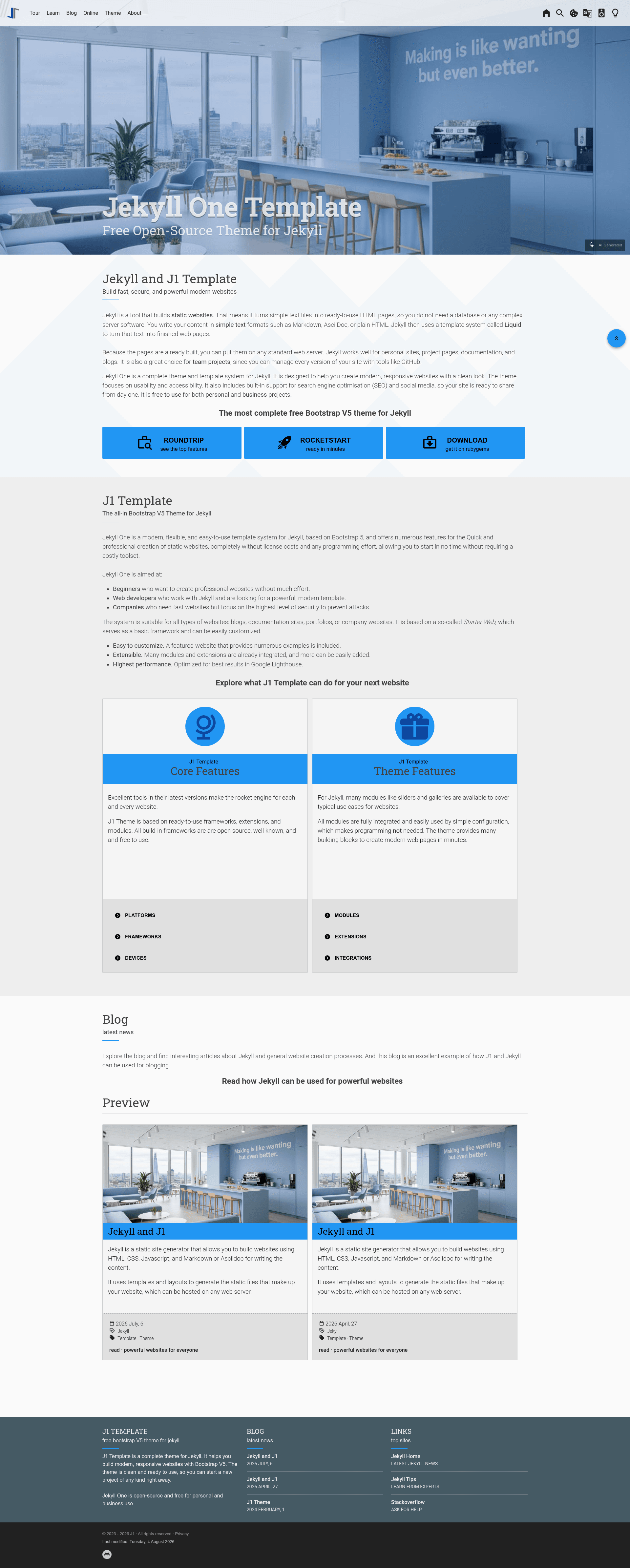
Open-source Jekyll 4 + Bootstrap 5 starter template with a built-in example site, CLI tools, and modules for search, comments, and galleries.

Free Bootstrap 3 UI kit by Creative Tim with UI elements, JavaScript components, sample pages, and typography for responsive websites.
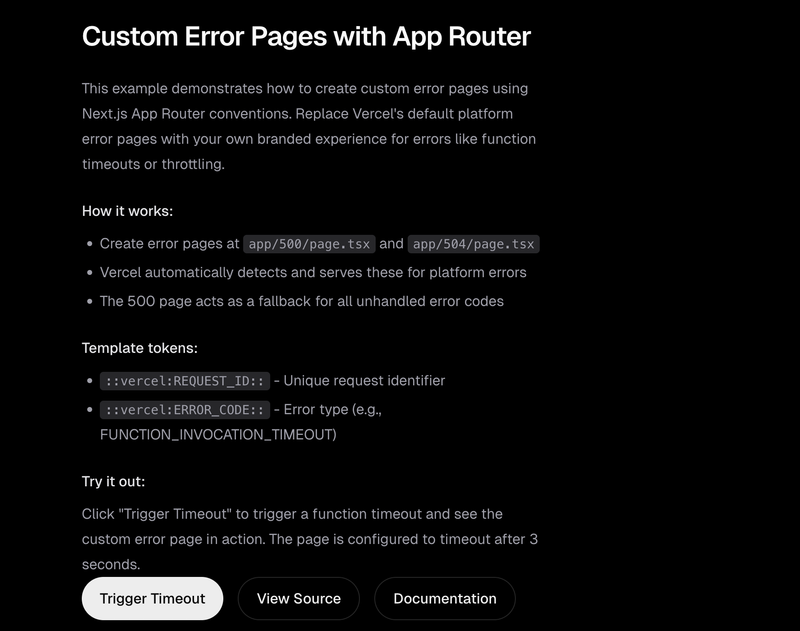
Create custom 5xx error pages using Next.js App Router
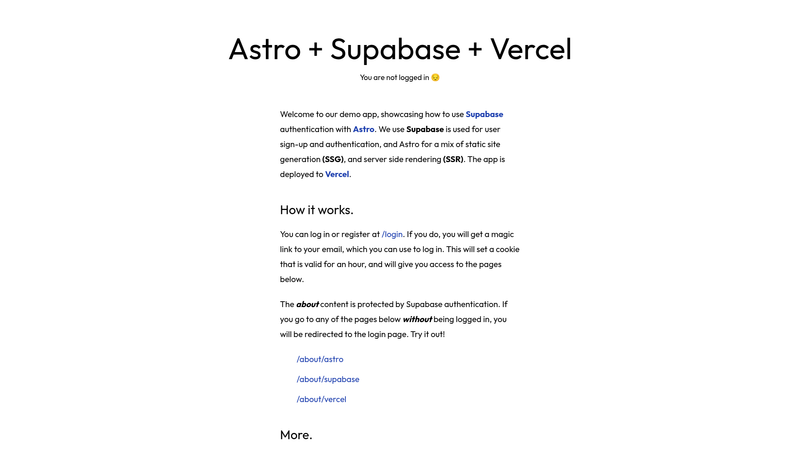
Example boilerplate showing Supabase authentication with Astro's SSG/SSR pages, deployed to Vercel.

A Next.js & Directus website template with multi-language support, page builder, blog, projects, forms, and global search.
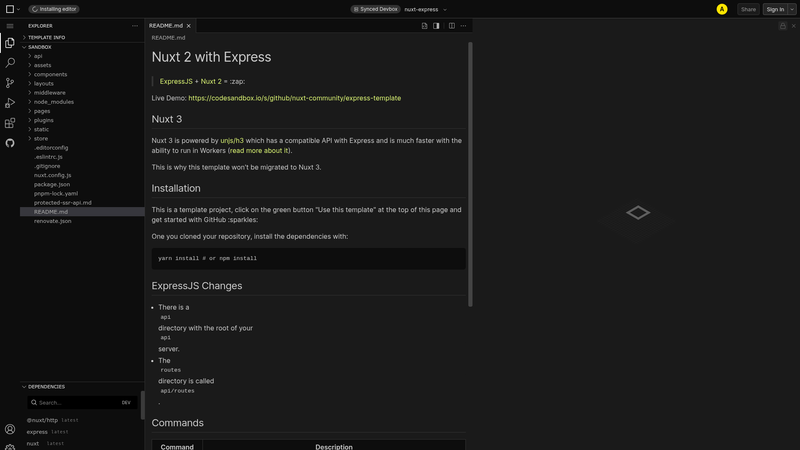
Starter template for Nuxt 2 with Express.

A boilerplate NextJS with Redux and Material UI
J1 Template is an open-source static site starter that combines the Jekyll 4 site generator with Bootstrap 5 to build fast, responsive websites from a ready-made scaffold. It ships with a built-in example site, a command-line interface named j1, and dozens of bundled modules for search, comments, galleries, and more.
J1 Template is a Jekyll theme and project starter published under the jekyll-one-org GitHub organization. It takes content written in Asciidoc (Asciidoctor) or Markdown (Kramdown) and produces a fully static HTML site with a live development server, full-text search index, and automatic page generation. The template runs on any x64-based Windows, Linux, or OSX machine with Ruby 2.7+ and NodeJS 14.x+ installed.
j1 command handles project generation, setup, running, resetting, and rebuilding, so you do not need to learn npm or Jekyll's command line.The workflow is: install the Ruby Gem (gem install j1-template --no-document --user-install), create a project with j1 generate my-starter, run j1 setup once to initialize folders and build dependencies, then launch the site with j1 site. The CLI also provides j1 reset to return the project to a factory state and j1 rebuild to regenerate all pages from scratch.
Supported operating systems are Windows 10 build 1903 and later, Windows WSL 2, Linux with kernel 4.15 or newer, and OSX 10.10.5 or later — but only on 64-bit (x64) CPUs. Required runtimes: Ruby version 2.7 or higher, NodeJS version 14.x (below 15.x), and Jekyll 4.2.x. A C/C++ development environment may be needed to compile platform-specific libraries on Linux or OSX.
Yes. J1 Template is open source, and the modules it bundles are free to use for private and professional projects, according to the page. No license fees are mentioned.
No. The template explicitly states that 32-bit (x32) versions are not supported on any platform.
You can write pages and posts in Asciidoc (rendered by Asciidoctor) or Markdown (rendered by Kramdown). The template also supports Jupyter Notebooks when Python is installed.