Newsletter
Join the Community
Subscribe to our newsletter for the latest news and updates

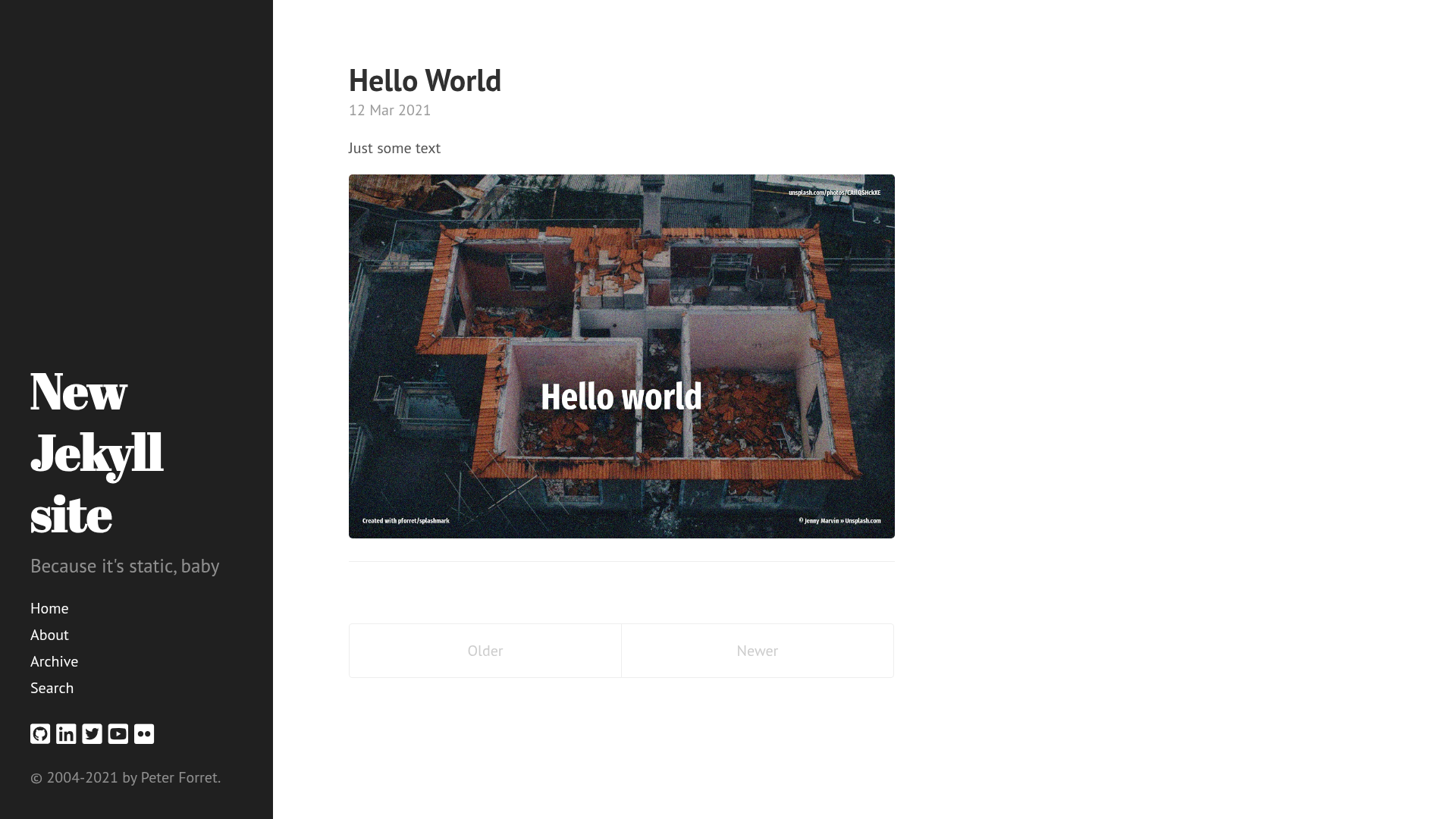
A GitHub-hosted starter template for building blog sites with Jekyll, the static site generator.

Free Next.js and Tailwind CSS blog and portfolio template with light/dark modes, search filter, and 5+ pre-built pages.

Deprecated source for mademistakes.com. Previously built with Jekyll, Gulp, and Netlify.
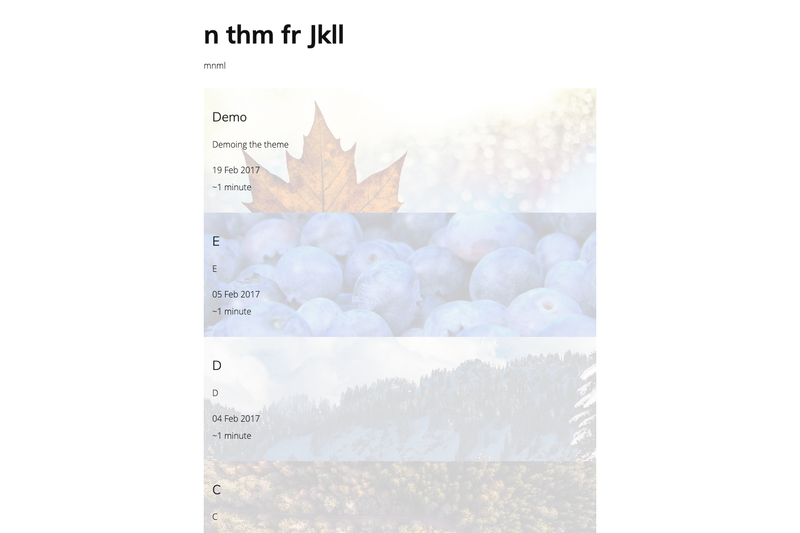
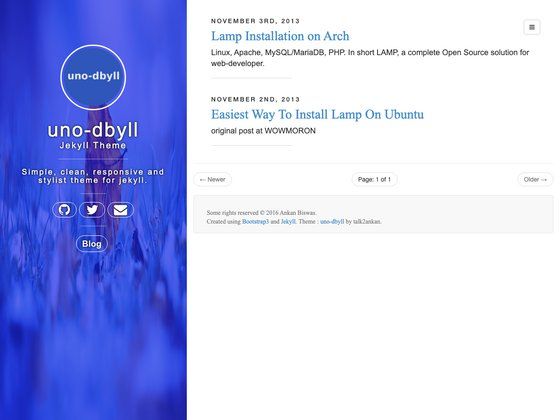
A minimal Jekyll theme with a clrs.cc-inspired palette and Muli, OpenSans, Hack, and FontAwesome fonts.
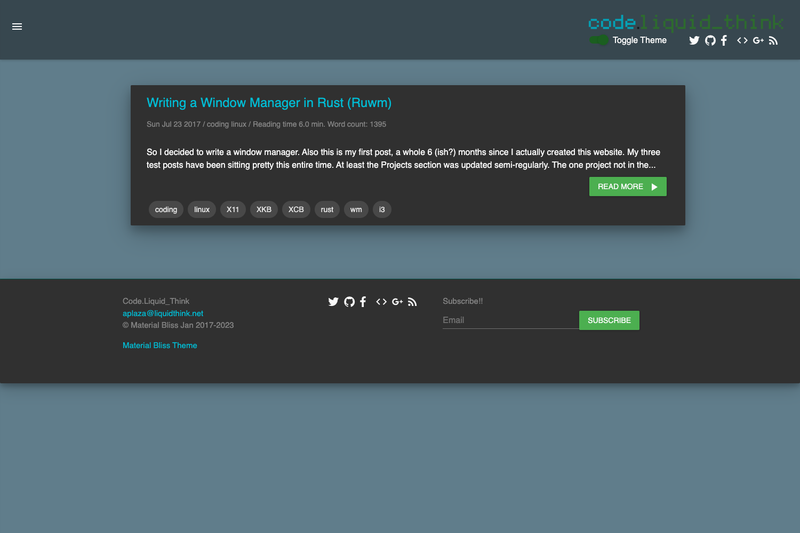
A Material Theme for Jekyll created with React, Redux, and React-Router transpiled with Webpack
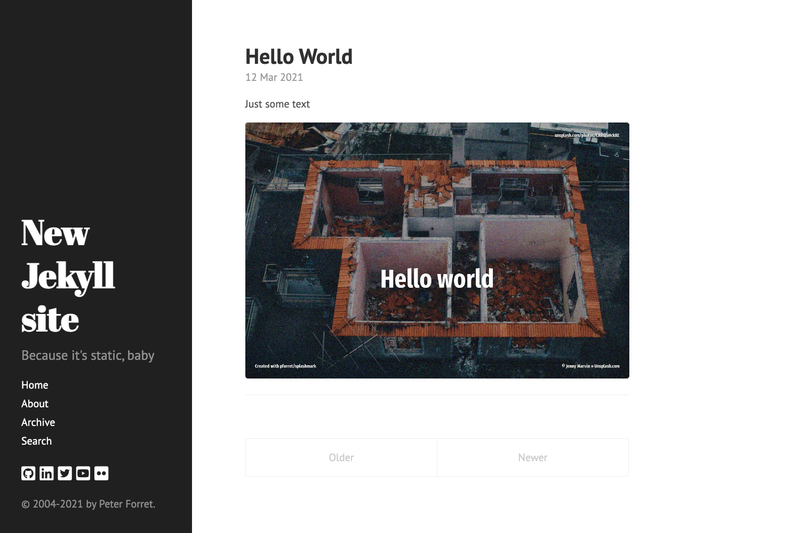
pforret/jekyll_template is a GitHub-hosted starter template for building a blog with Jekyll, the static site generator, providing a minimal foundation that can be cloned, customized, and published as a static site.
pforret/jekyll_template is a public GitHub repository described as a template for Jekyll blog sites. It serves as a starting point for a blog project: you add Markdown content to the appropriate folder, run the Jekyll build command, and the template produces a set of static HTML files ready for hosting. The template is built on Jekyll, which requires Ruby to operate locally, and its output is plain HTML, CSS, and JavaScript that can be served from any web server or static hosting provider. The repository is authored by pforret and carries GitHub topics including blog, jekyll, static-site, template, and theme, indicating its intended use.
Yes, the repository is publicly available on GitHub, so you can clone, fork, and modify it without cost.
Since it is a Jekyll template, you need Ruby and the Jekyll gem installed locally to build the site. The generated output is static HTML, so the hosting server does not need Ruby.
Yes, GitHub Pages natively supports Jekyll. You can place the repository in a GitHub Pages environment and enable Pages in the repository settings, and GitHub will run Jekyll to build the site automatically.
Jekyll blogs typically use Markdown for posts, stored as .md or .markdown files in the _posts folder. The exact configuration of this template may vary, but Markdown is the standard for Jekyll.