Newsletter
Join the Community
Subscribe to our newsletter for the latest news and updates

A Jekyll blog template for software development posts, using the NexT theme adapted from Hexo.
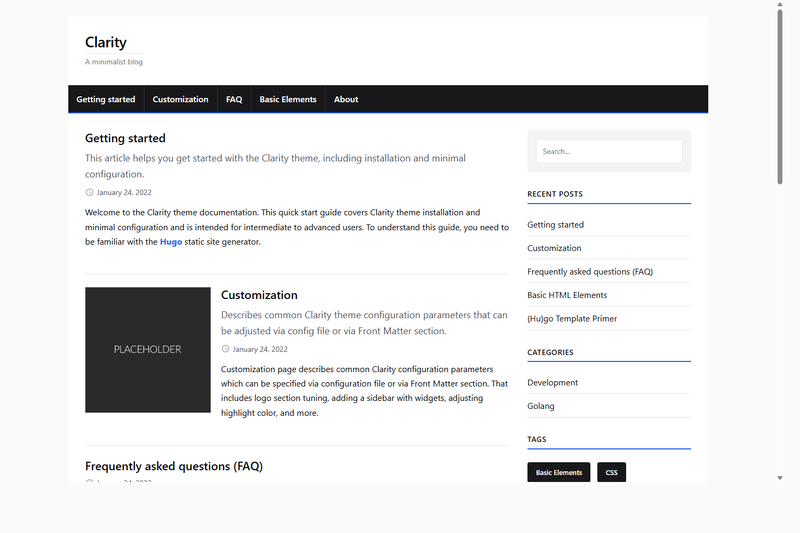
A modern Hugo theme with automatic dark mode, CSS Custom Properties, and 15+ language translations.
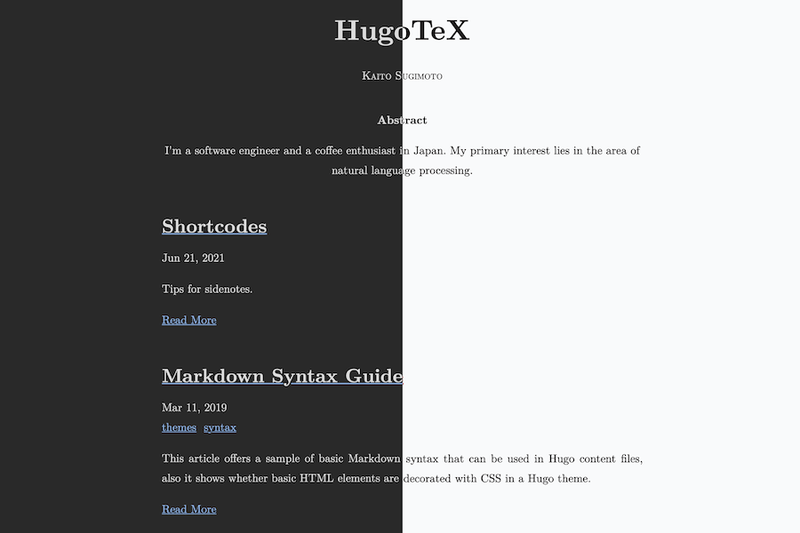
A LaTeX-inspired Hugo theme for elegant technical writing and academic content, featuring server-side KaTeX math rendering and zero client-side JavaScript.

A modern, card-based Hexo blog theme with dark mode, multiple comment systems, search backends, and built-in widgets.
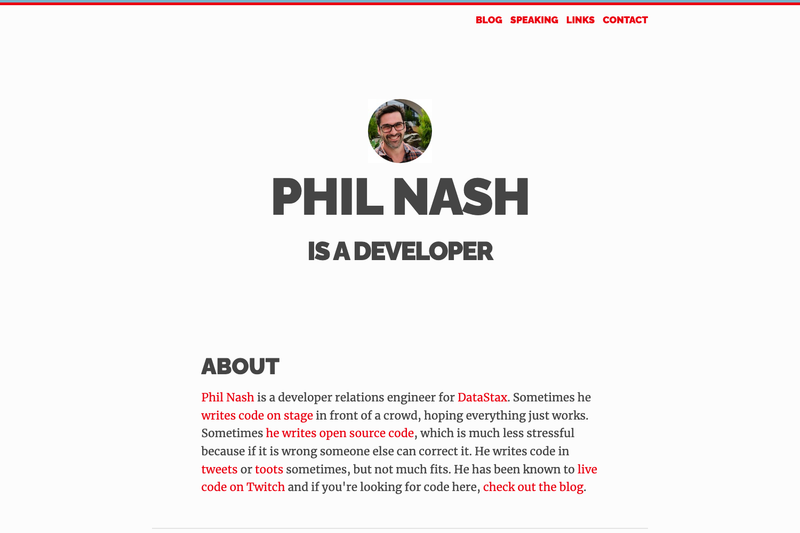
Phil Nash's personal site and blog, built with Astro and two custom components for pagination and related content.
Jekyll NexT Blog is a static blog template for publishing software development articles, built on Jekyll and styled with the NexT theme originally created for Hexo. It takes Markdown posts and Liquid templates as input and generates a deployable static HTML site, making it a lightweight personal blog platform.
The repository is a Jekyll-based blog whose own README states that it describes software development related content. It references the NexT theme as its visual base, explicitly linking to the Hexo NexT project. The template runs on Jekyll, a Ruby-written static site generator that converts Markdown and Liquid files into plain HTML, CSS, and JavaScript. The project includes preview images showing the theme's available schemes and a browser support matrix, though no specific scheme names or browser versions are listed in the source.
Jekyll is a static site generator written in Ruby that transforms Markdown and Liquid templates into static HTML pages. This blog template builds on Jekyll, so posts are written in Markdown and processed into a browsable site without needing a server-side database or application.
The original NexT theme was built for Hexo, a Node.js-based alternative to Jekyll. This repository explicitly references the Hexo NexT theme, creating a Jekyll blog that borrows that theme's design and structure. It thus works with Jekyll's Ruby-based toolchain and Liquid templates instead of Hexo's Node.js stack.
According to the README, the blog is for describing software development related content. That makes it suitable for coding tutorials, tool walkthroughs, project retrospectives, and other technical writing focused on programming and software engineering.