Newsletter
Join the Community
Subscribe to our newsletter for the latest news and updates

A modern Hugo theme with automatic dark mode, CSS Custom Properties, and 15+ language translations.
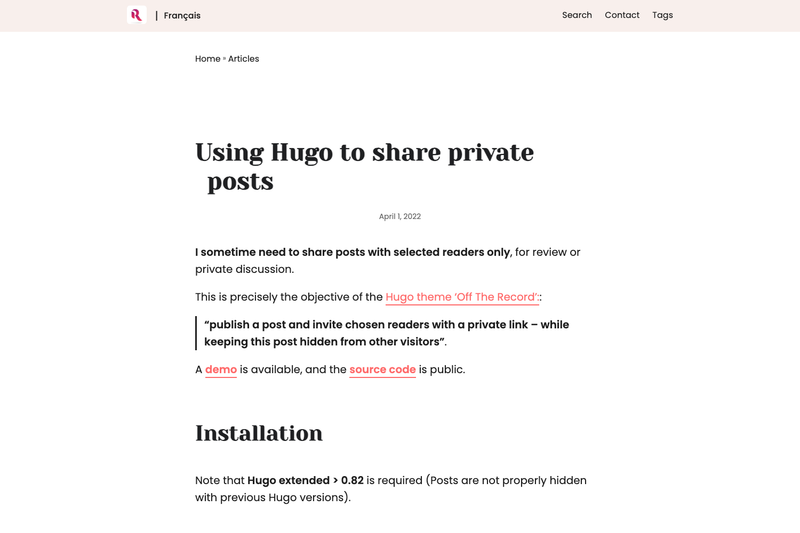
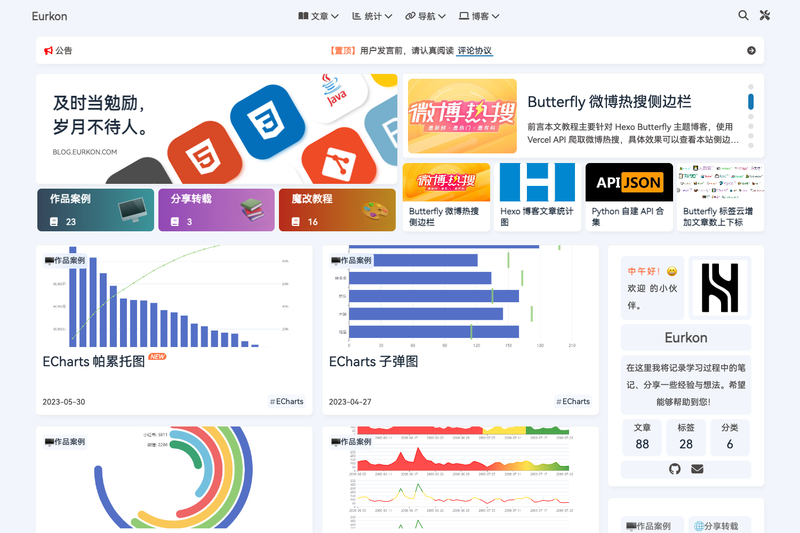
Share private posts with Hugo. Theme based on Papermod.
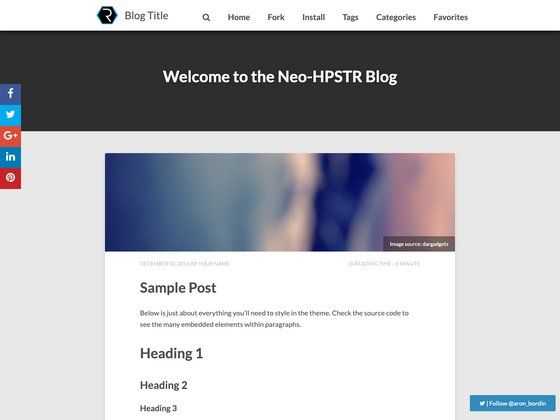
Responsive, modern Jekyll blog theme with animated navigation, Disqus comments, social sharing, and SCSS customization.
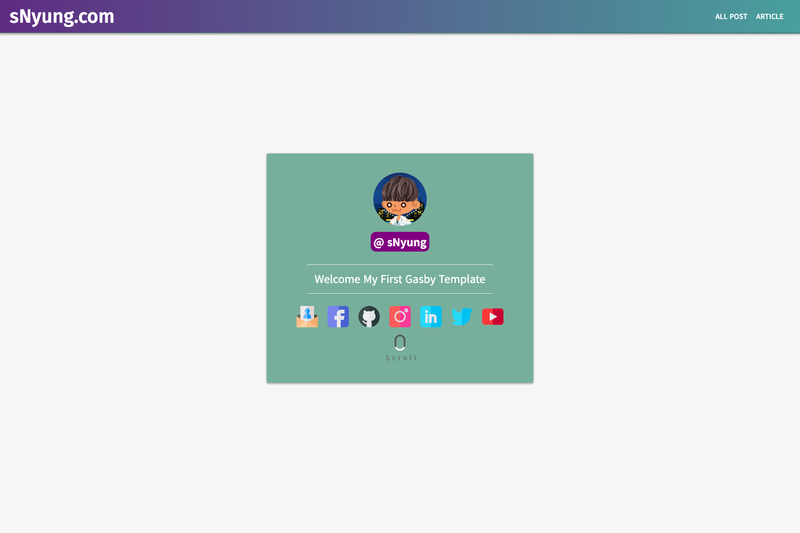
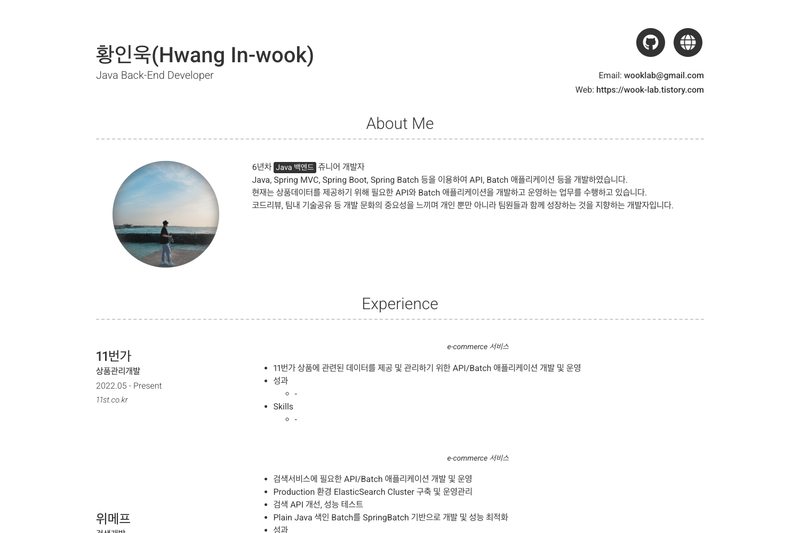
Gatsby blog starter with SCSS, Utterances comments, pagination, React Helmet SEO, automated post generation, and resume page.
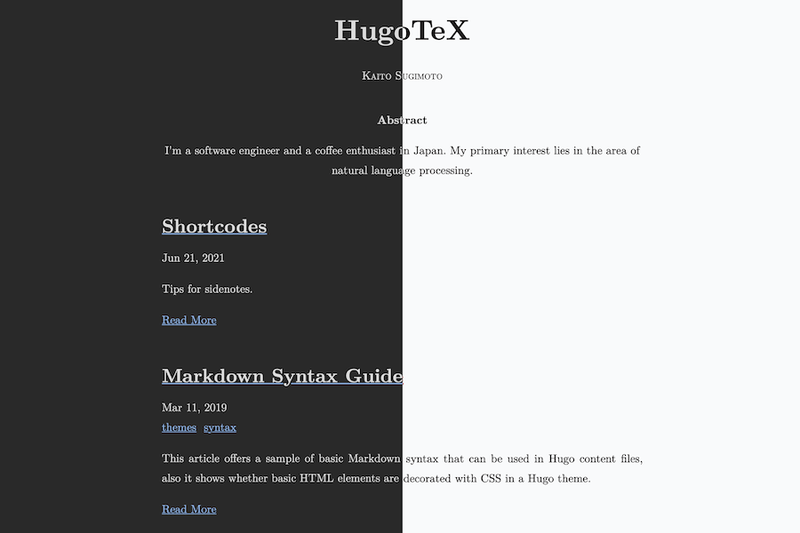
A LaTeX-inspired Hugo theme for elegant technical writing and academic content, featuring server-side KaTeX math rendering and zero client-side JavaScript.
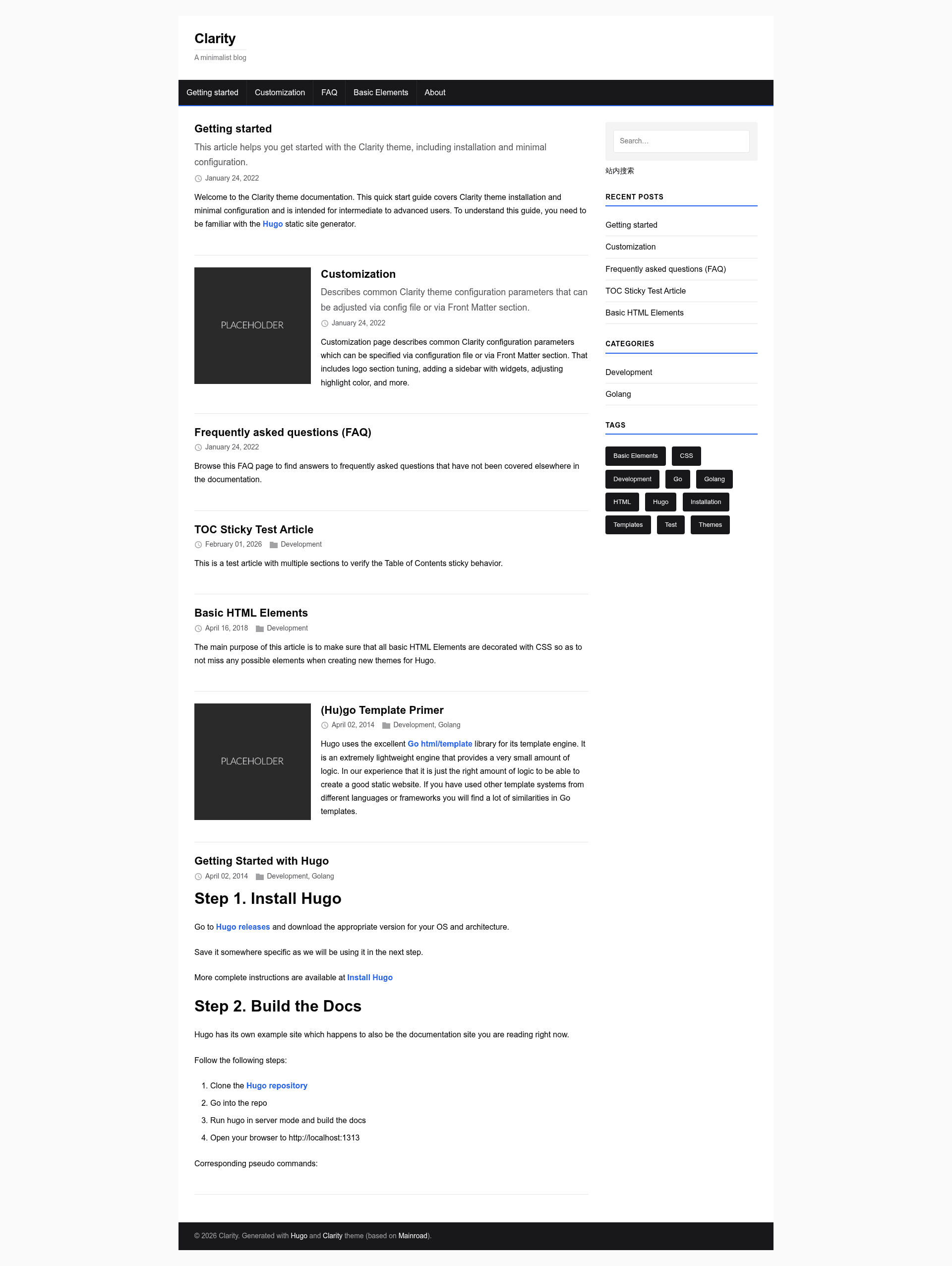
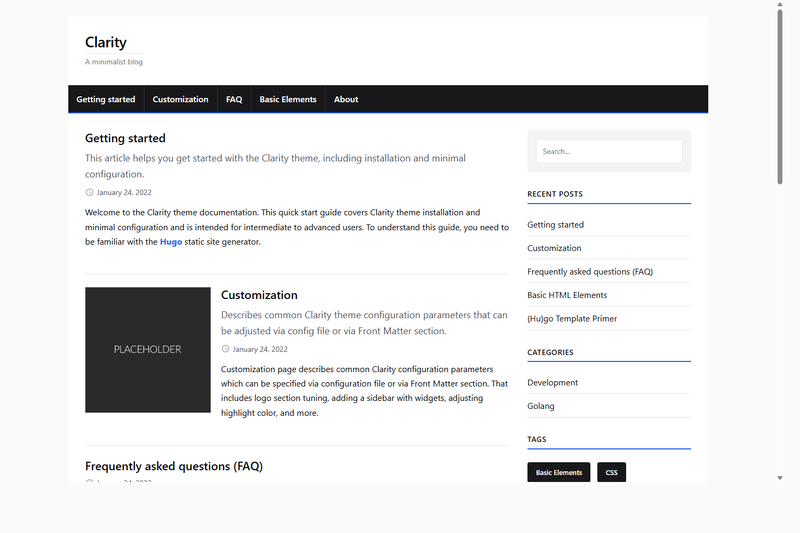
Clarity is a modern, responsive, content-focused Hugo theme that adds automatic dark mode and CSS Custom Properties to the classic Mainroad design, running on the Hugo static site generator and released under GPLv2.
Clarity is a responsive Hugo theme for blogs and content-heavy websites. It takes Markdown content, YAML/TOML front matter, and a config.toml file as input and produces a static website with automatic dark mode, a widgetized sidebar, and support for over 15 languages. The theme is maintained by iron6909 as a modernized fork of Vimux's Mainroad theme, dropping legacy browser support to simplify CSS.
Clarity suits bloggers and content publishers who want a clean, readable layout without visual clutter. Technical writers can use it for documentation sites that need dark mode and multilingual support. Developers comfortable editing config.toml will appreciate the granular control over sidebar widgets, author box, and typography.
Install it by cloning the repository or adding it as a git submodule, then set theme = "clarity" in config.toml. Configuration uses TOML parameters under [Params] and [Params.sidebar]; front matter options control per-page display such as sidebar position, table of contents, and comments. The theme uses Hugo's built-in templates for SEO and analytics, so minimal setup is required.
The repository includes a docs/ directory with a Quick Start Guide, Publishing Guide, Release Checklist, and Design System. A live demo and detailed docs are available at https://iron6909.github.io/clarity/.
Clarity is free and open source under the GPLv2 license, with no paid tiers or restrictions.
Yes, Clarity is free and open source under the GPLv2 license, which means you can use, modify, and redistribute it for personal or commercial projects without paying a license fee. The original Mainroad theme is also GPLv2 licensed.
Yes, Clarity automatically switches to a dark color palette when the user's operating system is set to dark mode, using the CSS prefers-color-scheme media query. The palette is designed to maintain WCAG AA+ contrast ratios and the same visual hierarchy as light mode.
Clarity supports Chrome 88 and newer, Firefox 78 and newer, Safari 14 and newer, Edge 88 and newer, plus modern Android browsers and Safari on iOS 14 or later. Legacy browsers such as Internet Explorer 8-11 and Safari 6-8 are intentionally not supported.
Set the disqusShortname or, preferably, the [services.disqus] shortname option in config.toml to your Disqus shortname. To disable comments on a specific page, add comments: false to that page's front matter. Google Analytics is configured the same way under [services.googleAnalytics].
Yes, you can override the default highlight color #2563EB by adding [Params.style.vars] highlightColor = "#2563EB" to config.toml. The theme stores all colors as CSS Custom Properties, so the change applies site-wide without editing template files.