Newsletter
Join the Community
Subscribe to our newsletter for the latest news and updates

A minimal, responsive Jekyll theme based on the Uno theme for Ghost, with tags, categories, pagination, and comment support.

Free Bootstrap 5 multi-page template for news and corporate websites with carousels, galleries, and subscription forms.
A Jekyll theme in material design for multimedia blogs with video, audio, image, and gallery post types.
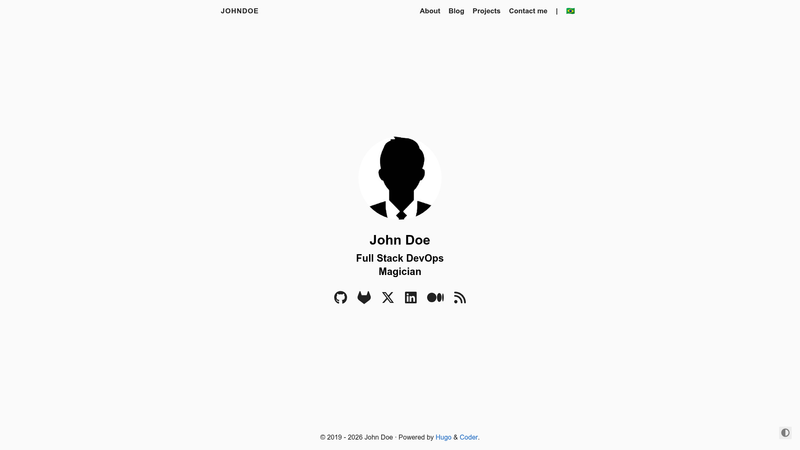
A minimalist blog theme for Hugo, a Go-based static site generator.
Jalpc-A is a Jekyll blog theme with AngularJS front end, featuring GitHub login, Leancloud backend, rich text editing, and comments.
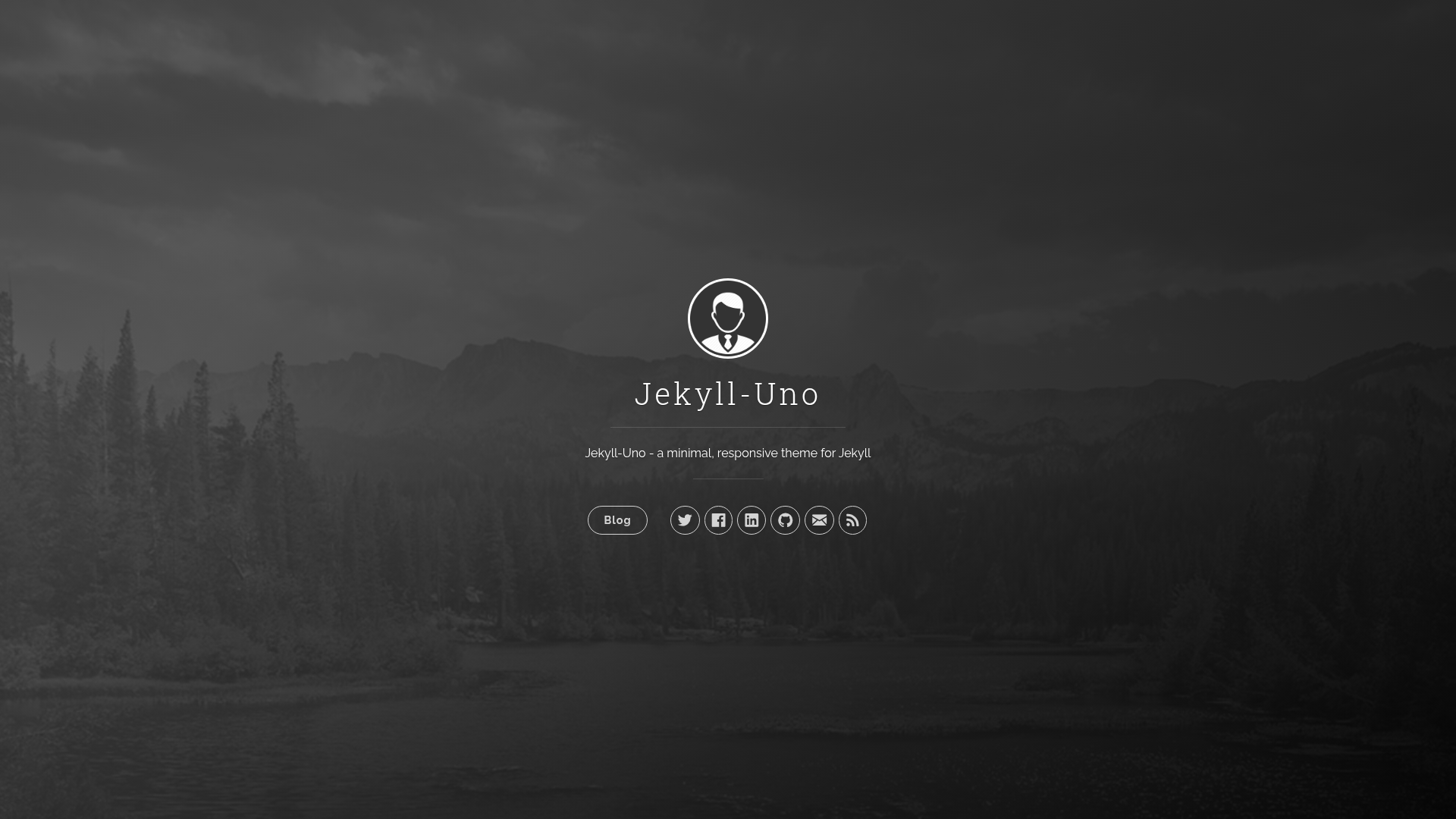
Jekyll-Uno is a free, minimal, responsive Jekyll theme adapted from the Uno theme for Ghost, built for publishing a clean personal blog or content site on Jekyll and GitHub Pages.
Jekyll-Uno is an open-source Jekyll theme based on the Uno design first created for the Ghost publishing platform. It takes a standard Jekyll site with Markdown posts and generates a static, fast-loading blog with a clean layout. The theme requires Ruby and RubyGems to run, and it is distributed under the MIT license, making it free to use and modify. It was created by Josh Gerdes and is maintained publicly on GitHub, where the repository has accumulated 625 stars.
Bloggers who want a straightforward Jekyll theme without extra complexity can use Jekyll-Uno to launch a personal publication quickly. Developers who host blogs or project sites on GitHub Pages will find the theme works with the github-pages gem, and technical writers can rely on the built-in syntax highlighting for code-heavy posts. The theme also suits anyone who wants a responsive layout that looks good on mobile devices.
_config.yml file.github-pages gem, with Google Analytics added in a few lines of configuration.After cloning the repository, you install Bundler with gem install bundler, then run bundle install to fetch the required Ruby gems. Once the gems are installed, bundle exec jekyll serve --watch starts a local development server at http://localhost:4000/jekyll-uno/. The theme supports both the github-pages gem and an alternative Gemfile setup using jekyll-paginate, jekyll-watch, kramdown, and kramdown-parser-gfm.
Yes, Jekyll-Uno is released under the MIT license, so you can use it freely for personal or commercial projects and modify the source code as needed.
Yes. The theme is designed to work with the github-pages gem, and the repository metadata includes github-pages as a topic. You can also run it locally with the alternate Gemfile provided.
You need Ruby and RubyGems installed on your machine. The theme also uses Bundler to manage gems such as Jekyll, pagination, and the kramdown Markdown parser.
Set your Disqus shortname in the theme's configuration file. Once configured, comment threads appear on your posts, allowing readers to leave comments without building a custom commenting system.