Newsletter
Join the Community
Subscribe to our newsletter for the latest news and updates

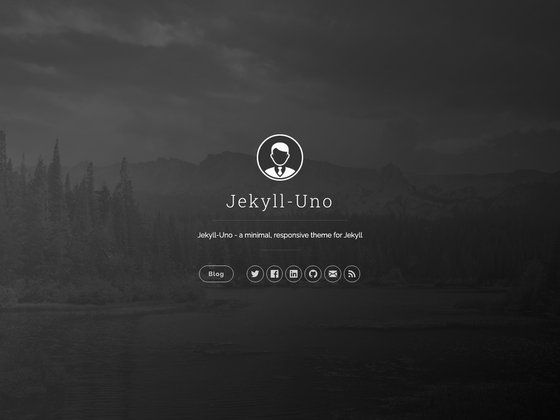
A Jekyll theme in material design for multimedia blogs with video, audio, image, and gallery post types.
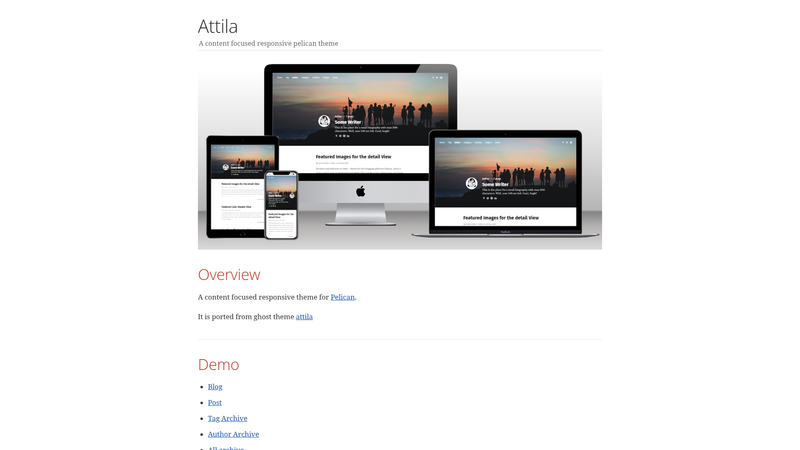
A content-focused responsive theme for Pelican, ported from the Ghost theme Attila, with cover images, author bios, and analytics support.

Free Bootstrap 5 multi-page template for news and corporate websites with carousels, galleries, and subscription forms.
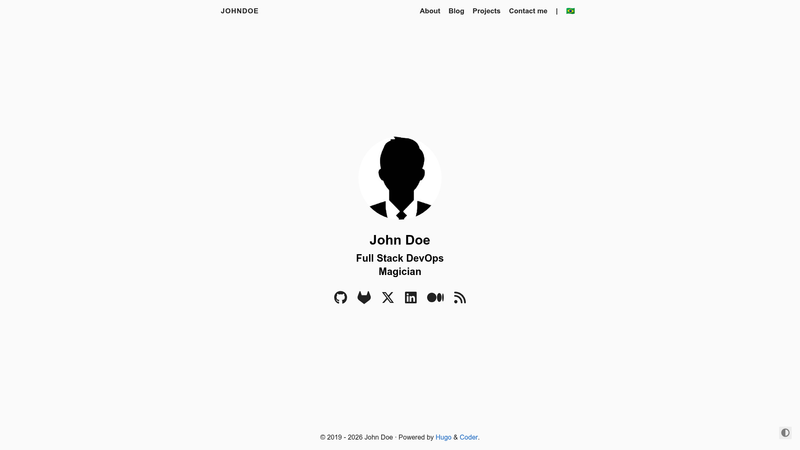
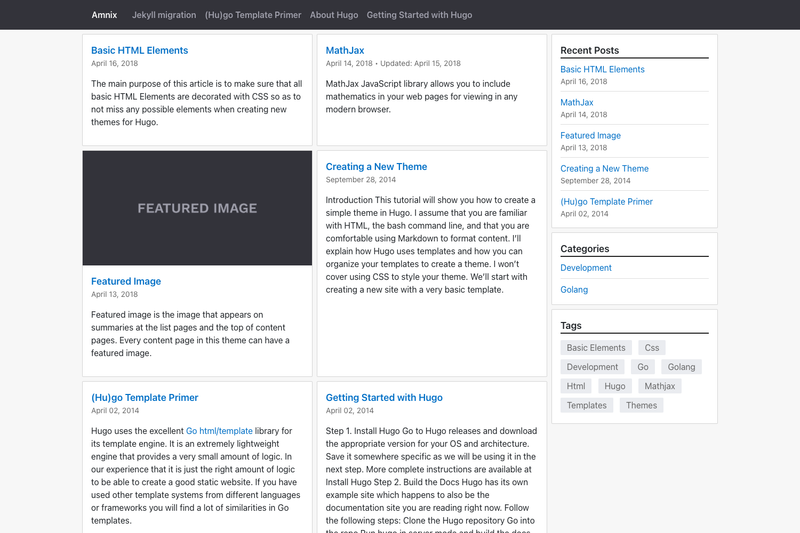
A minimalist blog theme for Hugo, a Go-based static site generator.
Gridster is a Jekyll theme in material design, created by DigitalMind, that focuses on multimedia content by providing dedicated post types for video, audio, image, and gallery posts. The theme runs on Jekyll static sites and includes a Grunt-based build process that compiles, concatenates, and minifies assets, with optional deployment tasks. Its GitHub repository describes it as "a jekyll theme in material design" and carries 140 stars.
Gridster is a Jekyll theme that turns Markdown post files into distinct multimedia presentations: video posts, audio posts, image posts, and gallery posts. It accepts content authored as Markdown files and configuration via a Jekyll config, and outputs a static website. The theme is distributed through its GitHub repository and is a product of DigitalMind, who also provide the theme's documentation at gridster.digitalmind.ch.
Gridster works as a standard Jekyll theme: install the theme, configure settings through the Jekyll config, and add posts as Markdown files that specify their post type. Grunt tasks handle asset processing, and the documentation walks through each step from dependency installation to deploying on GitHub Pages.
Gridster lives on GitHub as a public repository, and the page presents no pricing information or premium tier. The typical license for such Jekyll themes allows free use, but check the repository's license for exact terms.
According to the documentation, installation involves setting up the theme's dependencies, adding the theme to your Jekyll site, and running the included Grunt tasks. The docs describe the process step by step.
Yes, Gridster explicitly includes post types for video, audio, image, and gallery content, each with its own layout.
Yes, the documentation includes instructions for hosting on GitHub Pages, including how to work with plugins on the platform.