Newsletter
Join the Community
Subscribe to our newsletter for the latest news and updates

Jalpc-A is a Jekyll blog theme with AngularJS front end, featuring GitHub login, Leancloud backend, rich text editing, and comments.
A Jekyll theme in material design for multimedia blogs with video, audio, image, and gallery post types.
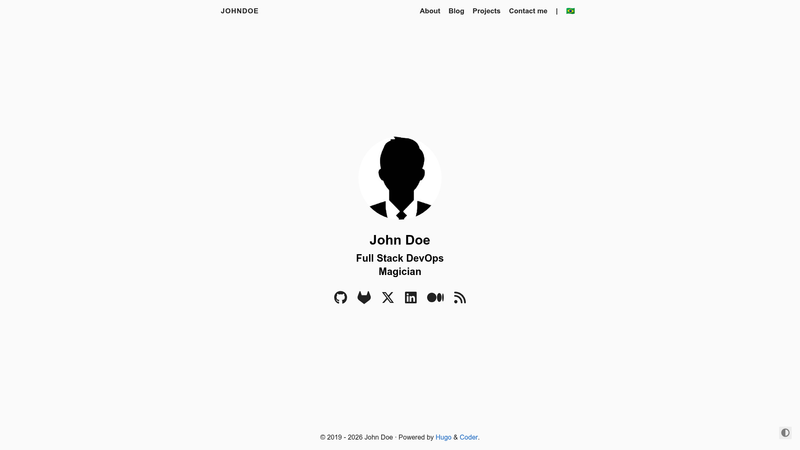
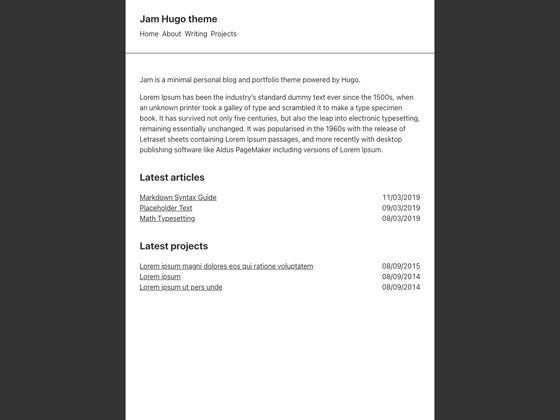
A minimalist blog theme for Hugo, a Go-based static site generator.
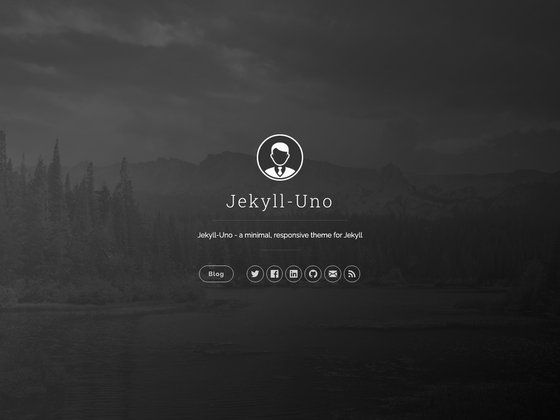
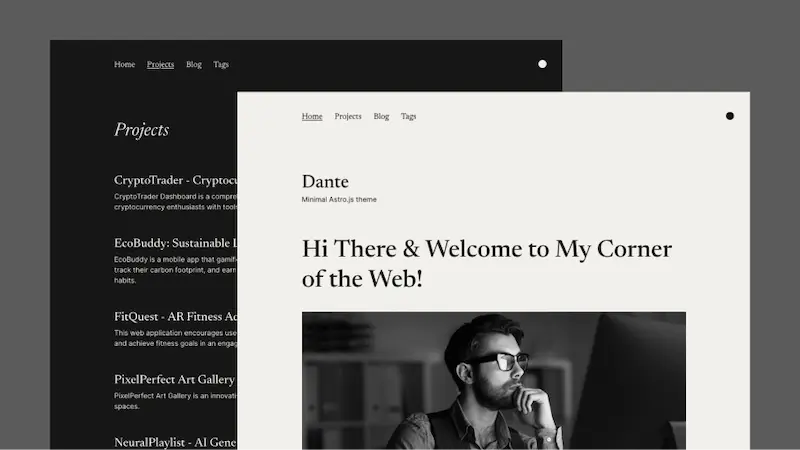
A minimal, responsive Jekyll theme based on the Uno theme for Ghost, with tags, categories, pagination, and comment support.
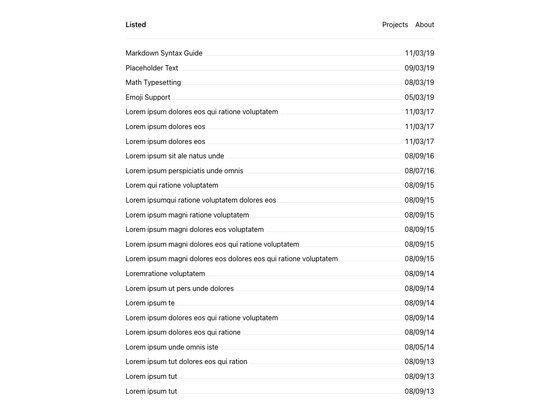
A minimalistic, clean and simple design Hugo theme for blogs, boasting 100/100 on performance audits.
Jalpc-A is a free, open-source blog theme in the Jekyll category that uses AngularJS on the front end to add login, commenting, and a rich text editor to a static Jekyll site.
Jalpc-A is a Jekyll theme that pairs Jekyll's static site generation with an AngularJS single-page front end. It takes a Jekyll site as input and produces a web application with dynamic features such as GitHub OAuth login, a summernote rich text editor, and a comment system. The backend is powered by Leancloud (Parse is an alternative), and the project is maintained by JiaKunUp on GitHub. The theme is similar to the author's other Jekyll theme, Jalpc, but with the AngularJS layer.
gh_<your_github_username>.js/app.js to connect your own Leancloud application.website.html with your own tracking code.#/blogs/2 and browser back/forward works between pages.api.leancloud.cn, with JSONP scripts for GitHub login and short URLs.js/app.js.jekyll serve --watch locally (or use npm and remove the front matter in website.html).The theme is free and open source. No pricing tiers are mentioned in the documentation.
Yes, Jalpc-A is released under the MIT License, so it is free to use, modify, and distribute. You only pay for any third-party services you choose, such as a Leancloud plan or a custom domain.
Yes, to use the login and comment features you must register with Leancloud, create an app, and set the App ID and App Key in js/app.js. Leancloud offers a free tier, but the limits are set by Leancloud, not by the theme.
Yes, the documentation includes a section on using GitHub Pages. You can host the Jekyll site for free, but you need to configure the repository properly and update the CNAME file if you use a custom domain.
The documentation says "you can use Parse as well" in the setup section, though specific instructions are given for Leancloud. Parse is a similar BaaS, so configuration would likely follow the same pattern.
The login uses a separate Leancloud engine project (Jalpc-A-engine) to authenticate with GitHub. After logging in, your username on the blog is prefixed with gh_ followed by your GitHub username.