Newsletter
Join the Community
Subscribe to our newsletter for the latest news and updates

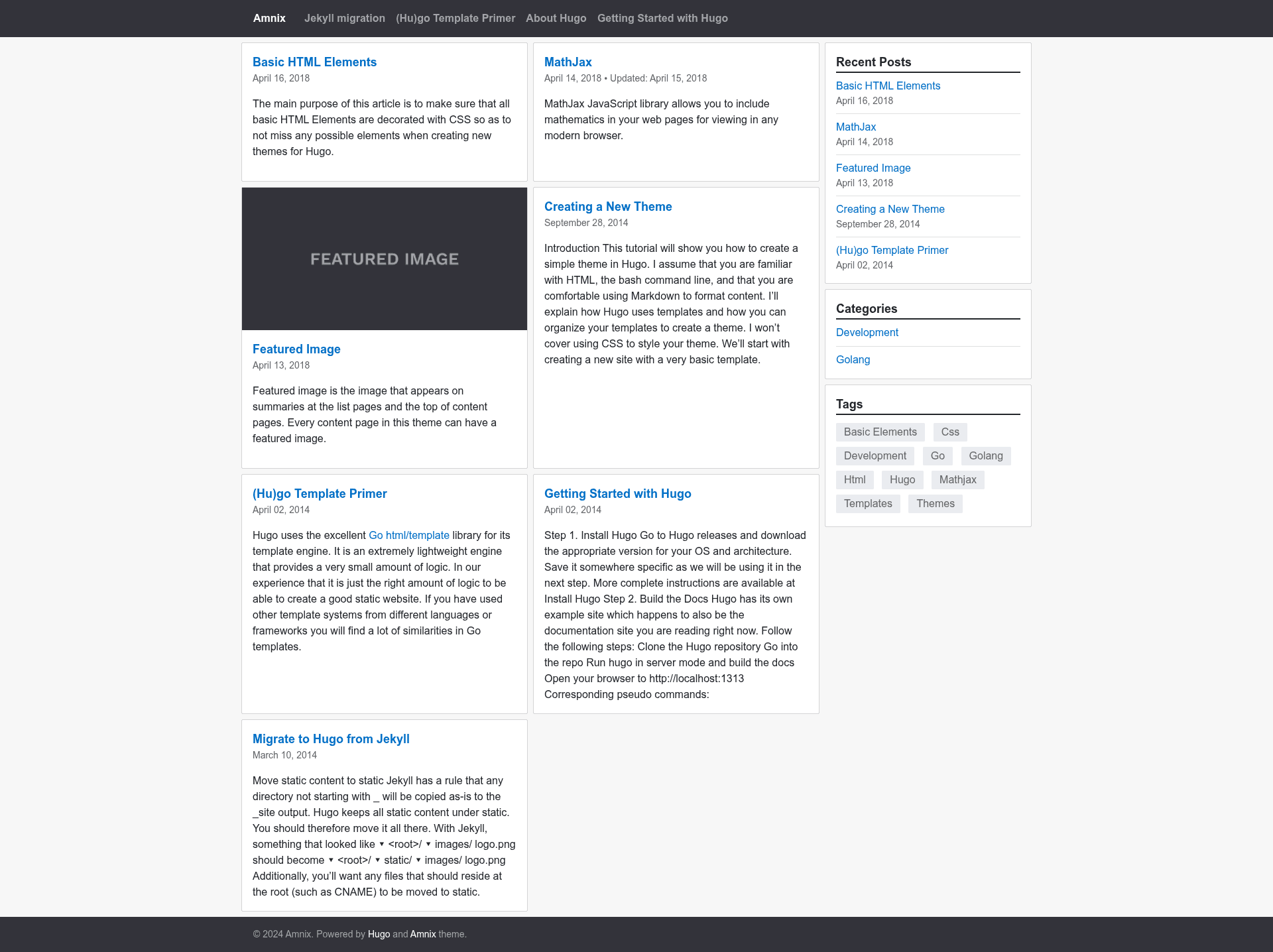
[WIP] Responsive and configurable Hugo theme
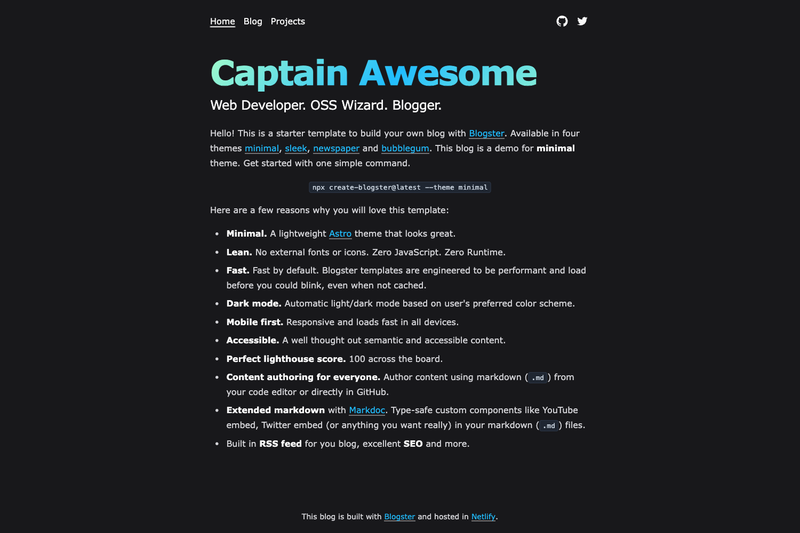
Four beautiful, accessible Astro blog templates with dark mode, RSS, and perfect Lighthouse scores.
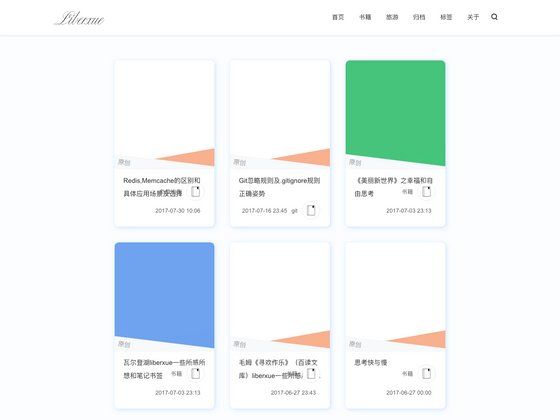
A lightweight, minimalist Jekyll blog theme with automatic tags, JSON search, RSS feed, and quick GitHub Pages setup.
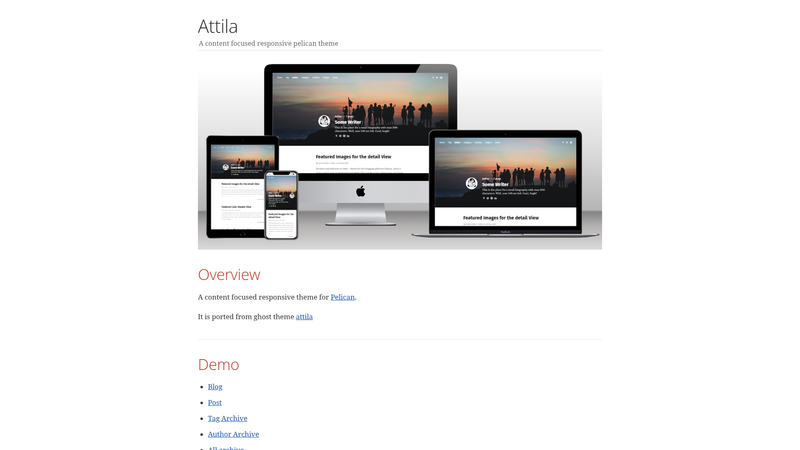
A content-focused responsive theme for Pelican, ported from the Ghost theme Attila, with cover images, author bios, and analytics support.

Free Bootstrap 5 multi-page template for news and corporate websites with carousels, galleries, and subscription forms.
A Jekyll theme in material design for multimedia blogs with video, audio, image, and gallery post types.
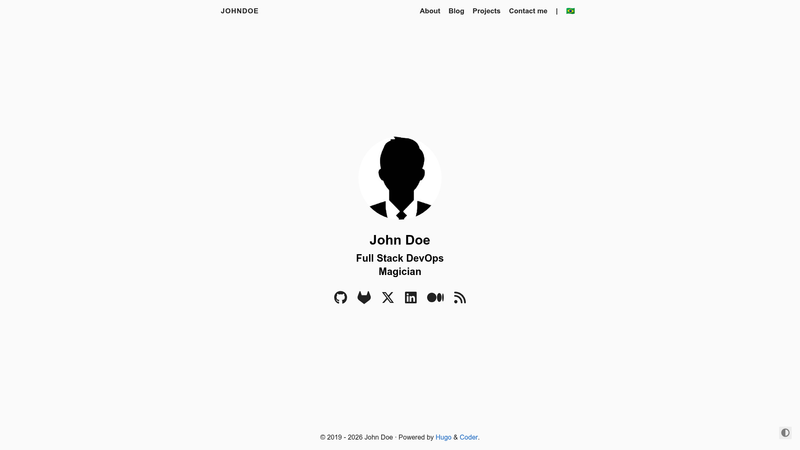
A minimalist blog theme for Hugo, a Go-based static site generator.
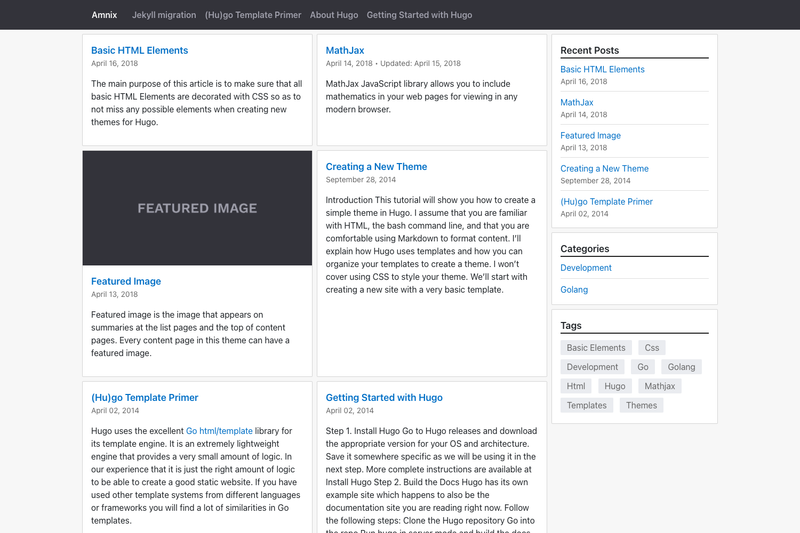
Amnix is a responsive, configurable Hugo theme for building blog and content sites, with widget-based sidebars, multiple column layouts, and social sharing built in.
Amnix is an open-source Hugo theme created by vimux (GitHub user vimux) and licensed under MIT. It takes a Hugo site's content and configuration and produces a responsive static site with configurable home, list, and single layouts. The theme is currently marked as work in progress (WIP) and includes a live demo at amnix.netlify.app.
Install the theme via git clone, git submodule, or ZIP download into the themes directory, then set theme = "amnix" in config.toml. Run hugo server to preview locally. Configuration is done through site params for columns, sidebar, widgets, social links, and more; page-level overrides use front matter.
Amnix is open source and released under the MIT License. You can use it for personal or commercial projects without cost.
The theme works with standard Hugo sites; you need Hugo installed to build the site. The README links to Hugo's quick-start guide for installation.
No. The README notes that Amnix menus don't support nested items or submenus.
Yes. Use front matter with sidebar.position (right, left, or false) and sidebar.widgets to override global settings.
Define a MANIFEST output format in config.toml, add it to the home outputs, and optionally set [Params.Manifest] values such as name, colors, and orientation.