LaunchPad is the official Strapi demo application, a GitHub repository that pairs a pre-seeded Strapi backend with a Next.js frontend to show how a content-driven website can be built and run locally.
What is LaunchPad?
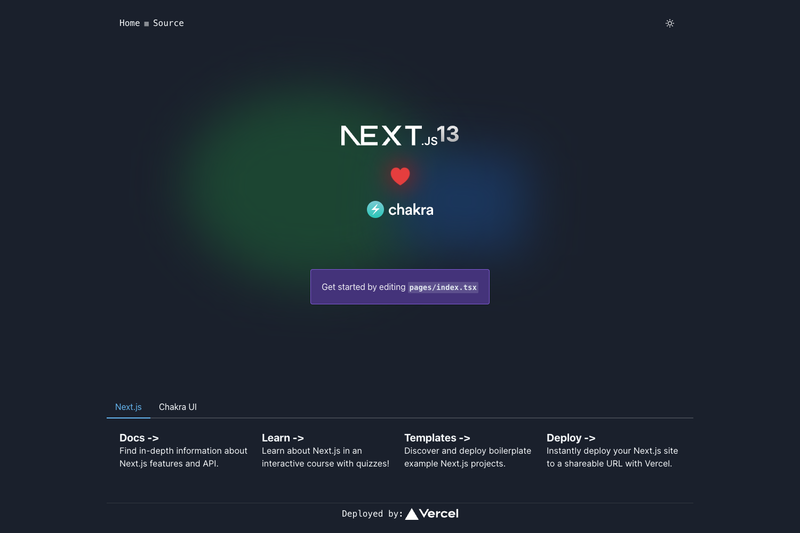
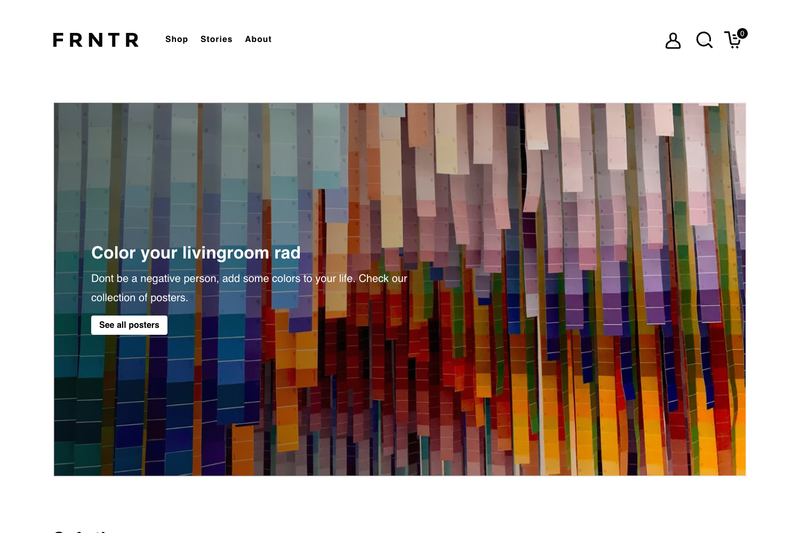
LaunchPad is the official Strapi demo application maintained by Strapi. It contains a Strapi project with content-types and demo data already onboard, plus a Next.js client configured to fetch that content. The stack requires Node.js v18 or higher and Yarn, and after yarn setup you get a Strapi admin panel at http://localhost:1337/admin and a space-rocket-themed website served by Next.js at http://localhost:3000.
Key Features
- Strapi project with demo data — The repository includes content-types and data already onboard, and
yarn seedpopulates the instance with that demo content. - Next.js client — The frontend is "primed and ready" to fetch content from Strapi, demonstrating a typical headless-CMS architecture.
- Minimal open-source editor — The editor pulls in dynamic blocks of content, is 100% open-source, and is fully extensible.
- Media Library — Upload images, video, or any files, then crop and optimize their sizes without quality loss.
- Sort and filter — Built-in sorting and filtering make it possible to manage thousands of entries without effort.
- Customizable API — The schema, models, and controllers can be auto-built from the editor, yielding REST or GraphQL endpoints without writing code.
- Role-Based Access Control — Admin panel settings let team members have access rights only to the information they need.
- Internationalization — Content can be created in many locales and languages, each with its own version.
Who should use LaunchPad?
- Developers evaluating Strapi — Use the demo to explore the admin panel, API generation, and REST/GraphQL endpoints without configuring a project from scratch.
- Next.js developers — Use the pre-built client to see how to query and render Strapi content, including dynamic blocks and SEO metadata.
- Content managers — Try the editor, media library, sorting/filtering, and review workflows to understand how Strapi organizes structured content.
- Agencies — Use LaunchPad as a starting point for client projects that combine a headless CMS with a React-based frontend.
What can you do with LaunchPad?
- Full-stack prototyping: Set up a local Strapi + Next.js environment in minutes and add new content types through the admin editor.
- Content modeling: Use the editor to pull dynamic blocks, manage SEO metadata, and attach captions/notes/custom filenames to media assets.
- Multi-language sites: Enable i18n to create content versions in different locales and serve them via the Next.js client.
- Team collaboration: Use RBAC, audit logs, and review workflows to let role-limited team members move content from draft to publication.
How does LaunchPad work?
The repository includes a root setup script. First clone and run yarn install at the root, then yarn setup installs dependencies in both the Strapi and Next.js projects and copies environment files. yarn seed populates the Strapi instance with demo content. Finally, yarn dev starts the Strapi server first, waits for it to be ready, then starts the Next.js frontend.
FAQ
Is LaunchPad free?
LaunchPad is the official Strapi demo application, distributed as a public GitHub repository. The editor is described as 100% open-source, and you can run the entire stack locally without a license.
What are the prerequisites?
You need Node.js v18 or higher and Yarn as your package manager. Yarn can be enabled via Corepack or installed globally with npm.
What ports does LaunchPad use?
The Strapi admin panel runs on localhost:1337/admin, where you create your first admin user, and the Next.js website runs on localhost:3000.
Can I get a hosted instance?
Yes, you can request a private instance on the Strapi website at strapi.io/demo, which is auto-provisioned for you.
How do I disable anonymous usage tracking?
The Strapi app includes a postinstall script that regenerates a uuid for anonymous usage information. You can disable it by removing the uuid inside ./strapi/packages.json.