Newsletter
Join the Community
Subscribe to our newsletter for the latest news and updates

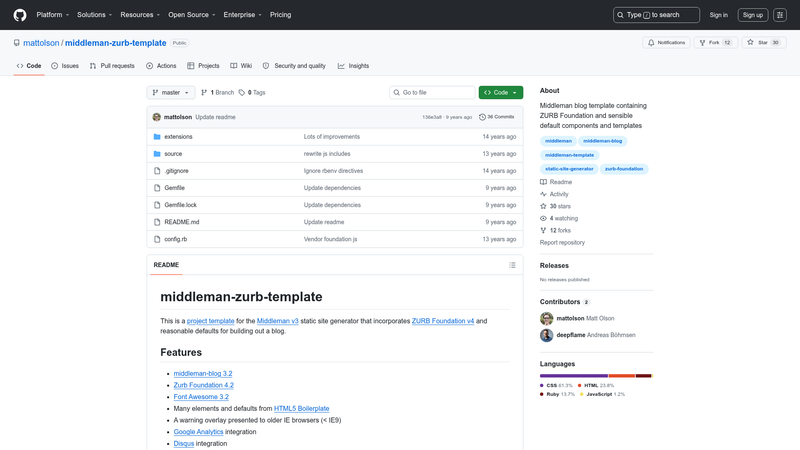
Middleman v3 project template that combines ZURB Foundation 4 with a ready-to-use blog setup including Disqus and Google Analytics.
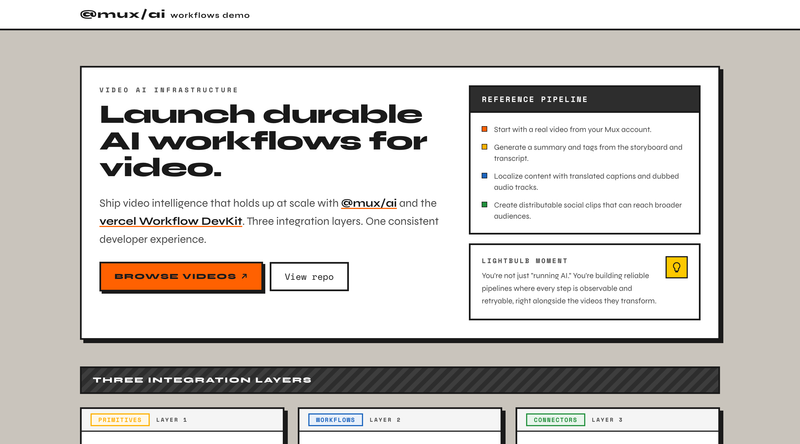
Open-source Next.js starter demonstrating durable video AI pipelines with @mux/ai and Vercel Workflows.
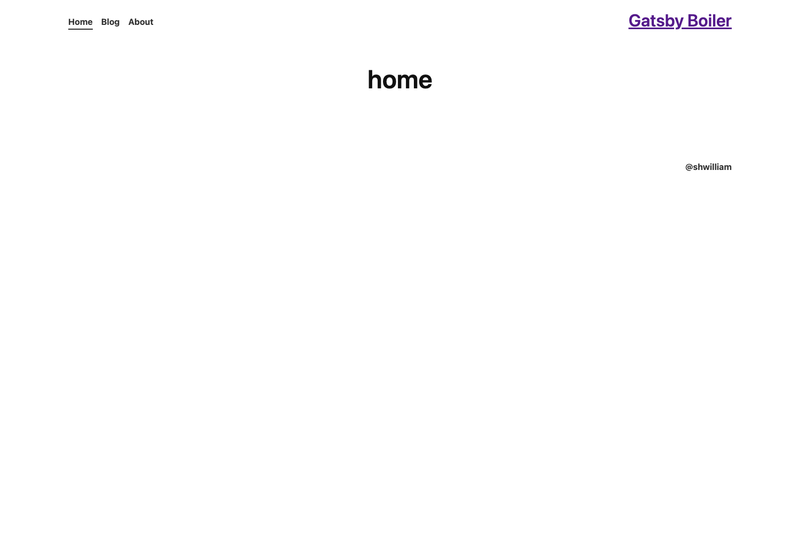
Starter files for a simple Gatsby site with Netlify CMS, ready for blogging.
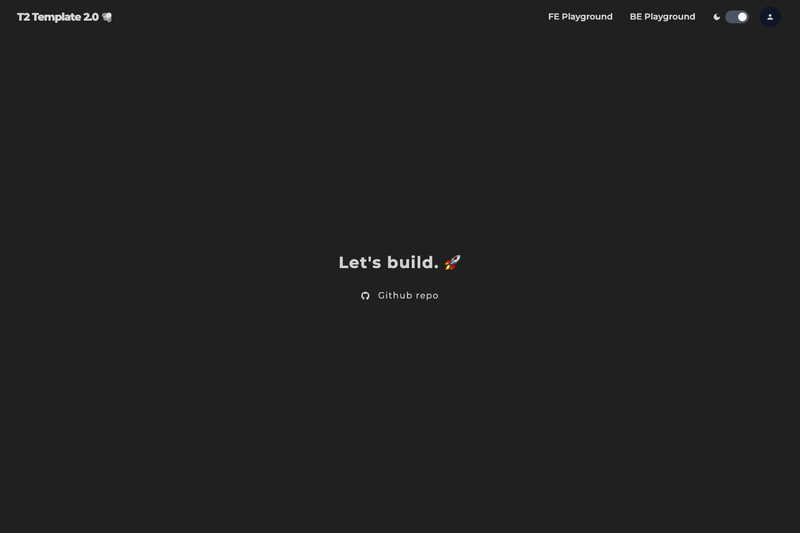
A TypeScript + Tailwind Next.js template with Prisma and PostgreSQL.
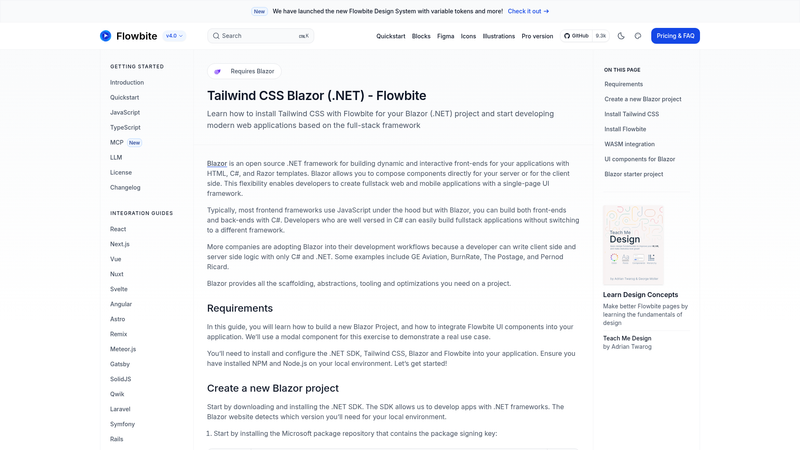
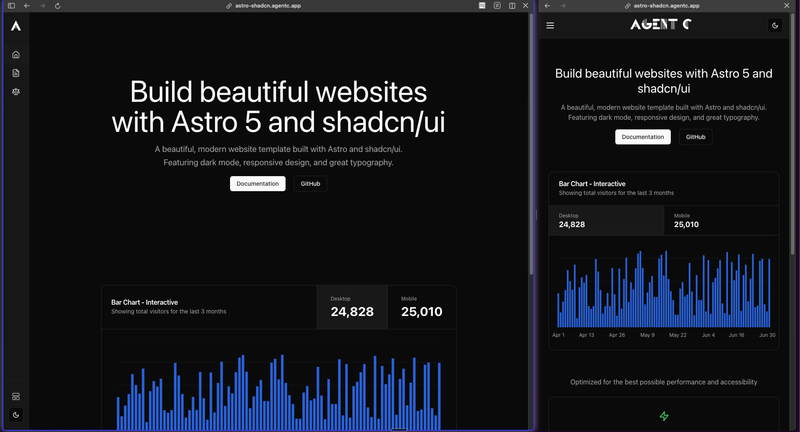
Open-source project to get you started with Tailwind CSS, Blazor, and the Flowbite UI components
Middleman Zurb is a project template for the Middleman v3 static site generator that bundles ZURB Foundation 4 with a pre-configured blog stack, so you can scaffold a new site with one command.
Middleman Zurb is a GitHub-hosted project template created by Matt Olson for the Middleman v3 static site generator. It takes a plain new Middleman project and adds ZURB Foundation 4.2, the middleman-blog 3.2 extension, Font Awesome 3.2 icons, and defaults drawn from HTML5 Boilerplate. The output is a mobile-first blog-ready site structure with layouts, stylesheets, and configuration files you can immediately build on.
The template packs these concrete components and integrations into a new Middleman project:
Static site developers who want a Foundation-based Middleman setup without wiring up the blog extension themselves will find the template ready to go. Bloggers who prefer writing in a static site generator get a complete blog layout with comments and analytics preconfigured. Small business teams building a company site can start from this template and remove the blog parts, as the README documents, when they only need a marketing site.
Because the template bundles blog, analytics, and a responsive framework, you can use it for several distinct outcomes:
middleman init with the template flag to get a Foundation-styled blog with Disqus and Google Analytics already in place.config.rb to turn it into a standard company site.config.rb and blog-related styles in base.css.scss.Install it by cloning the repository into your local ~/.middleman directory, then run middleman init my_new_project --template=zurb-foundation. After that, run bundle install and start the dev server with middleman server. The template contains a source directory with blog layouts, an index page, and stylesheets you can edit.
Yes. The template is hosted on GitHub as an open-source project, and there are no license or payment requirements mentioned anywhere in the README.
Create a ~/.middleman directory if it doesn't exist, clone the repository into it, then run middleman init with the --template=zurb-foundation flag. The README also instructs you to run bundle install and middleman server to start.
Yes. The README includes a section on removing blog functionality: delete source/blog and source/layouts/article.erb, remove middleman-blog from the Gemfile, and delete blog-related styles and settings. Then update the home page.
The README lists two examples: Matt Olson's blog at mattolson.com and Ruby Cloud's company site at rubycloud.com.