Newsletter
Join the Community
Subscribe to our newsletter for the latest news and updates

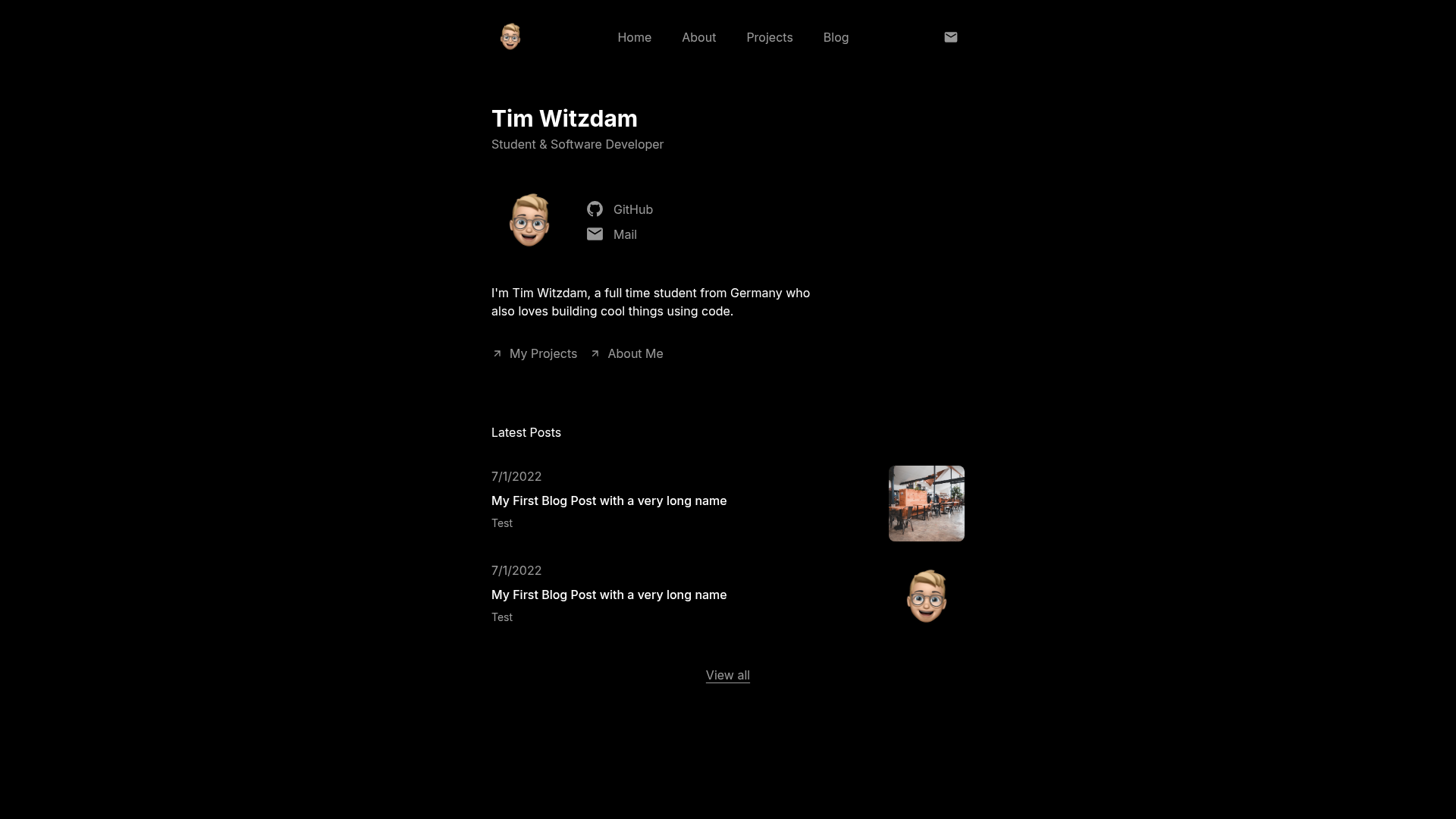
Open source minimalistic portfolio template built with Astro and Tailwind, with Home, About, Projects, and Blog pages.
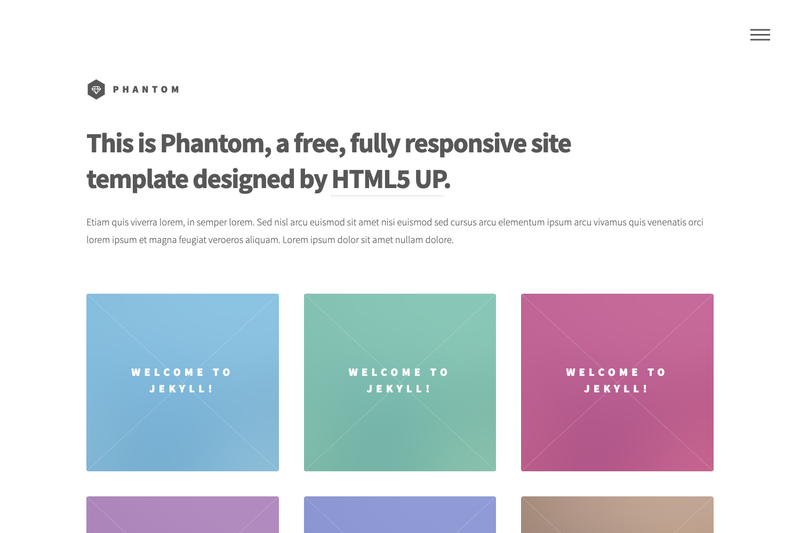
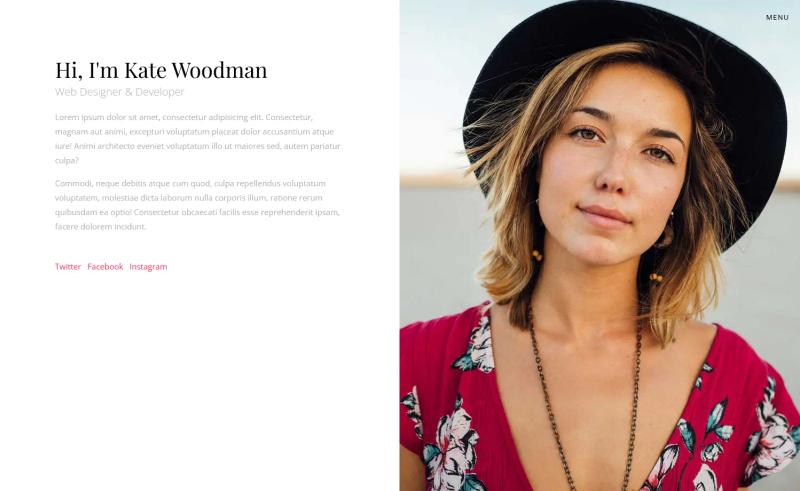
A Jekyll version of the 'Phantom' theme by HTML5 UP.
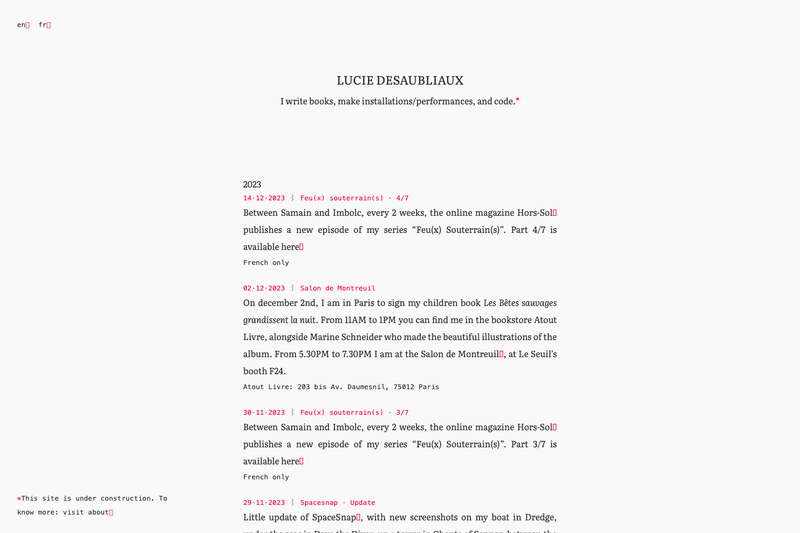
A Jekyll-based personal website template for regrouping code and art projects, built as a public work-in-progress.
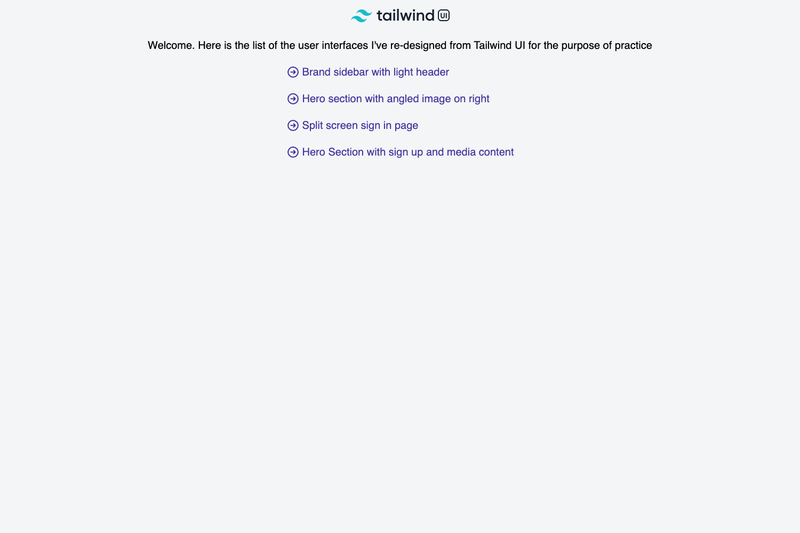
Designing Tailwind UI components from scratch to practice and improve my front-end skills.
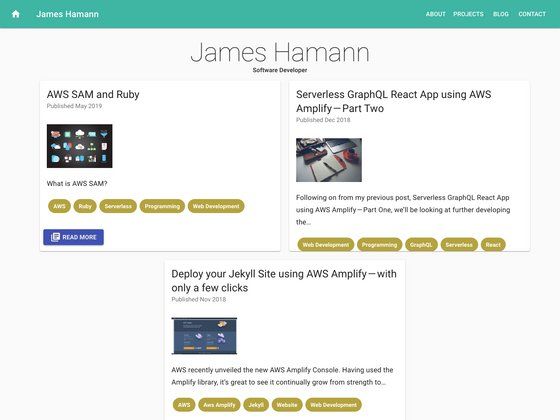
A Jekyll Theme based on Material Design using Materialize.
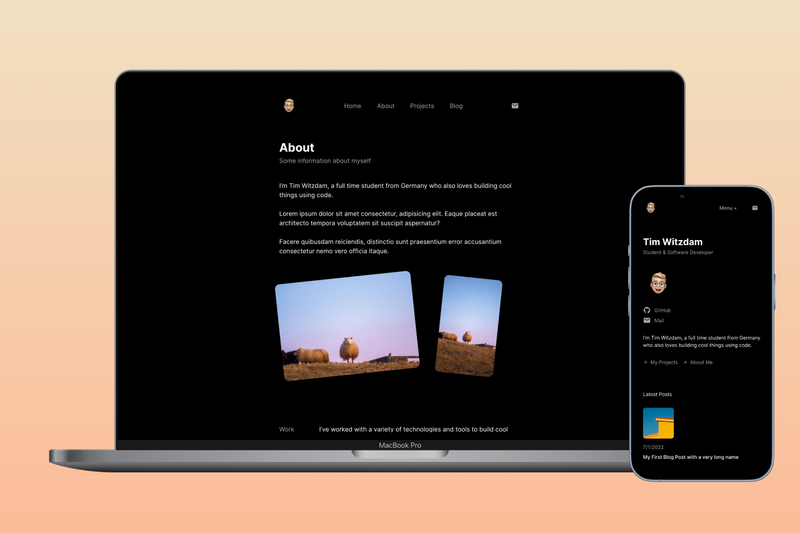
Minimal portfolio template for Astro is an open-source portfolio theme built with Astro and Tailwind CSS that generates a fast, SEO-optimized personal website with Home, About, Projects, and Blog pages.
The template is a minimalistic portfolio theme created by developer Tim Witzdam, with a design inspired by Brian Ruiz. It takes a single configuration file, src/config.ts, as input and produces a static multi-page portfolio site as output. The site is built with the Astro framework and styled with Tailwind CSS, and outputs a static site to the dist folder when you run npm run build. A live preview is available at minimal-portfolio.witzdam.com.
The template suits developers and creators who want a clean, minimal personal site without building one from scratch. Students and recent graduates can use it to showcase projects and a short bio. Freelancers or independent developers can present their work in the Projects section and write articles in the blog. People who prefer a self-hosted setup can take advantage of the Docker Compose option.
You start by cloning the repository and running npm install to install dependencies. Then run npm run dev to start a local development server at localhost:4321. After editing src/config.ts to reflect your own content, run npm run build to generate the production site in the dist folder.
The template is open source and hosted on GitHub, so you can clone it freely. The README does not state a specific license, so review the repository files for exact licensing terms before commercial use.
The template includes four pages: Home, About, Projects, and Blog. Each page has its own SEO title and description you can edit through the configuration file.
Everything from your name and logo to the projects and work history is stored in src/config.ts. Edit that file to update identity, navigation links, social links, home page text, about page content, project entries, and blog settings.
Yes, the template is described as having a fast and SEO-optimized blog with Markdown support, so you can write posts in Markdown and publish them as static pages.
Run npm run build from the project root to output the static site to the dist folder. Use npm run preview to check the build locally before deploying.