Newsletter
Join the Community
Subscribe to our newsletter for the latest news and updates

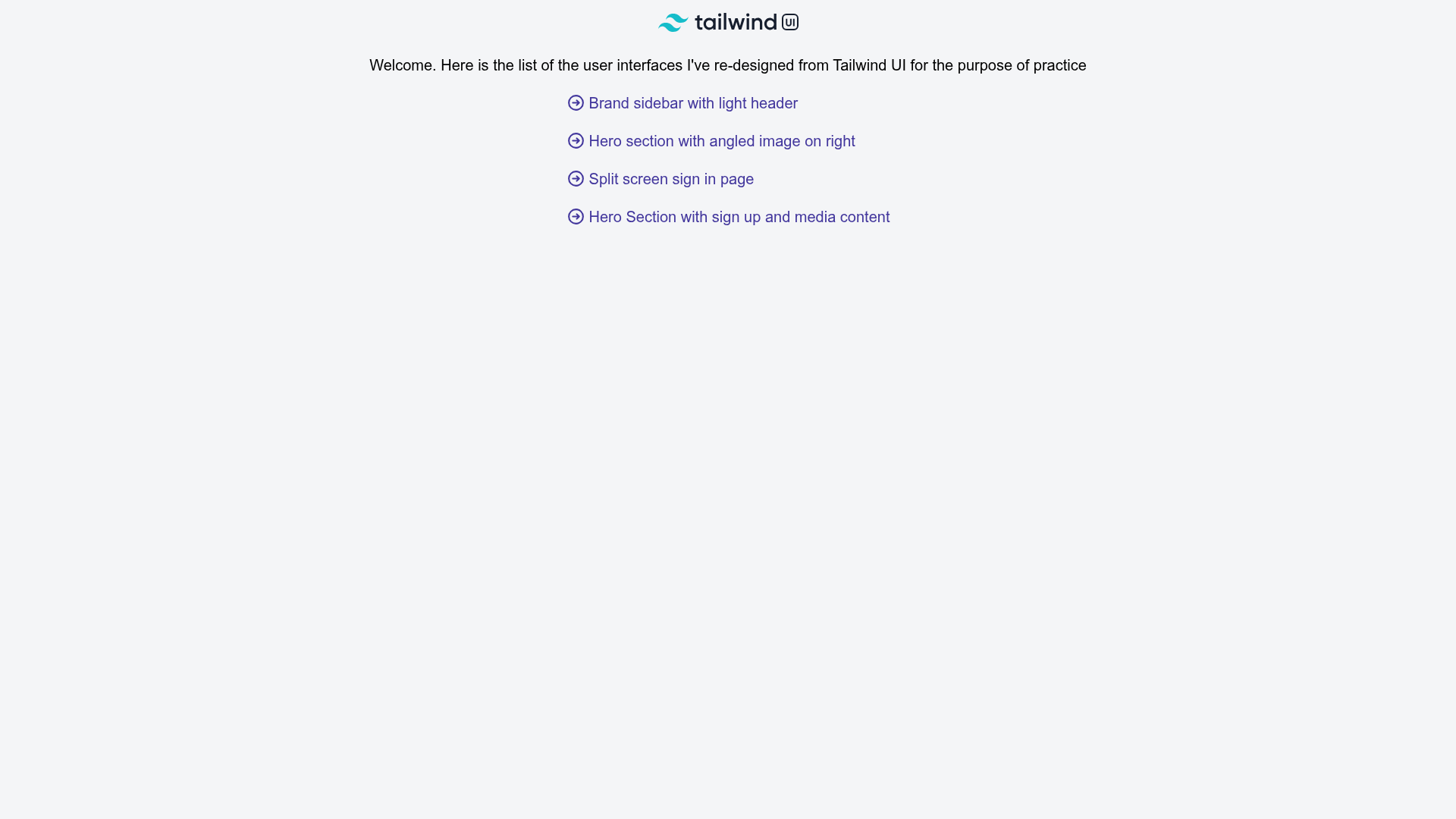
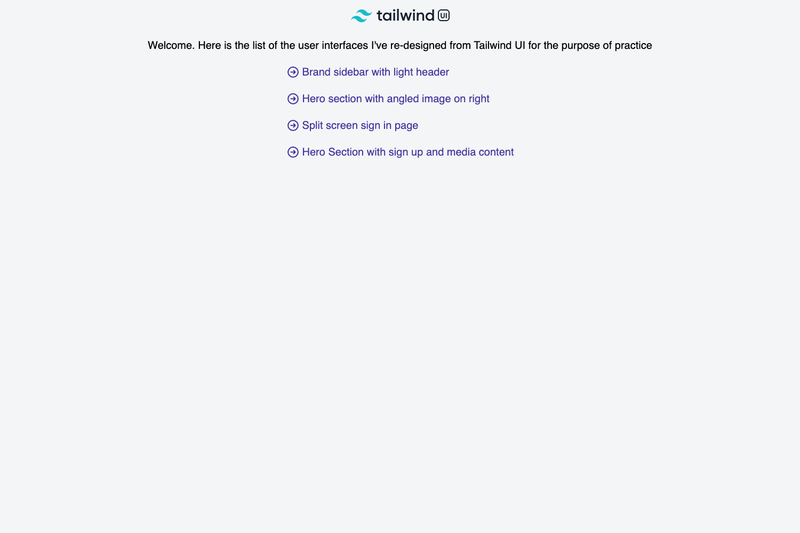
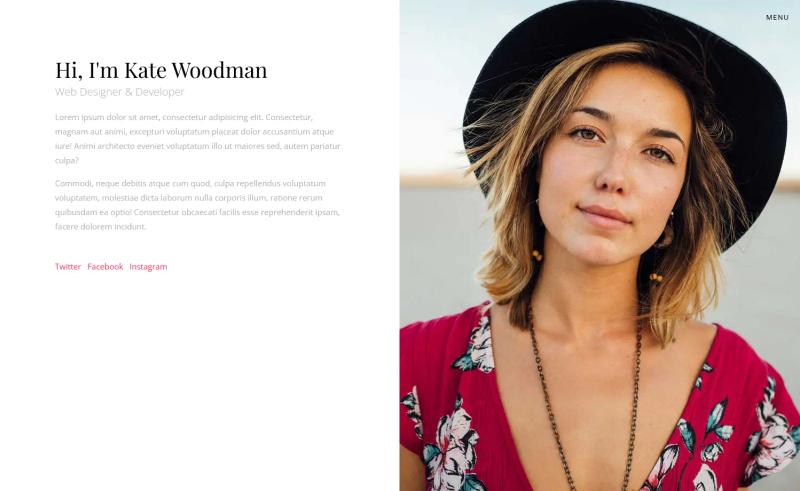
Designing Tailwind UI components from scratch to practice and improve my front-end skills.
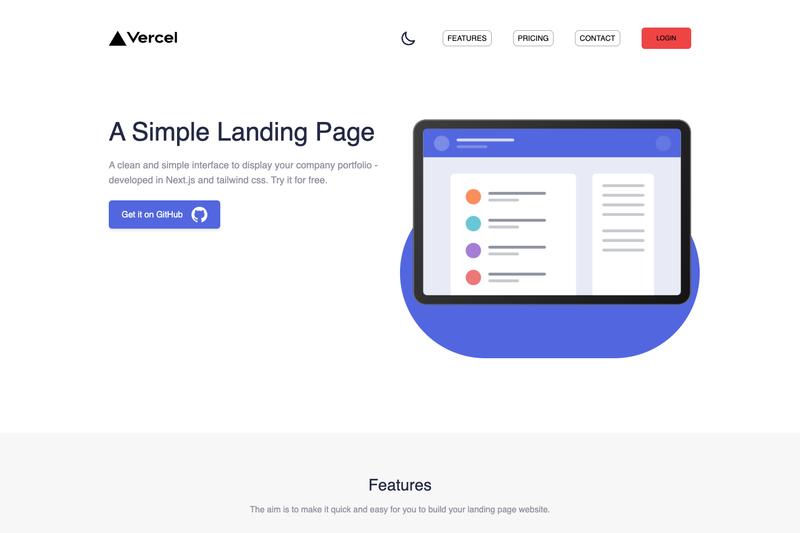
A clean and simple interface to display your company portfolio - developed in Next.js and tailwind css. Try it for free.
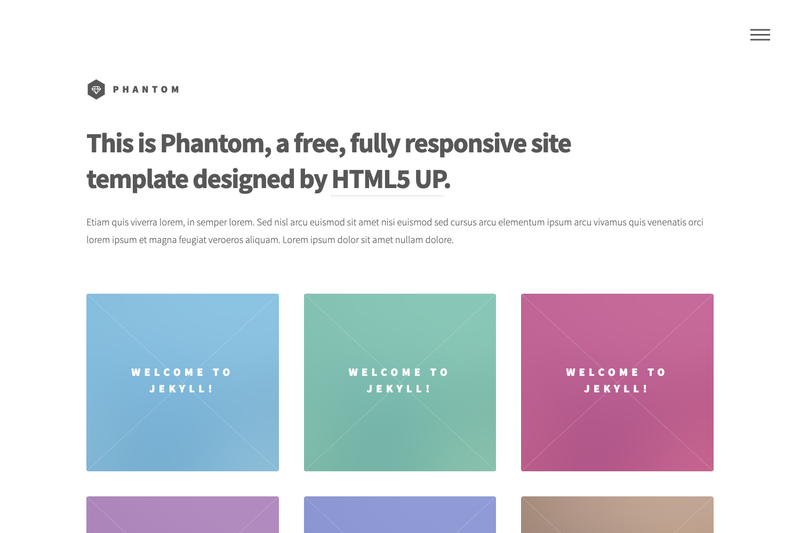
A Jekyll version of the 'Phantom' theme by HTML5 UP.
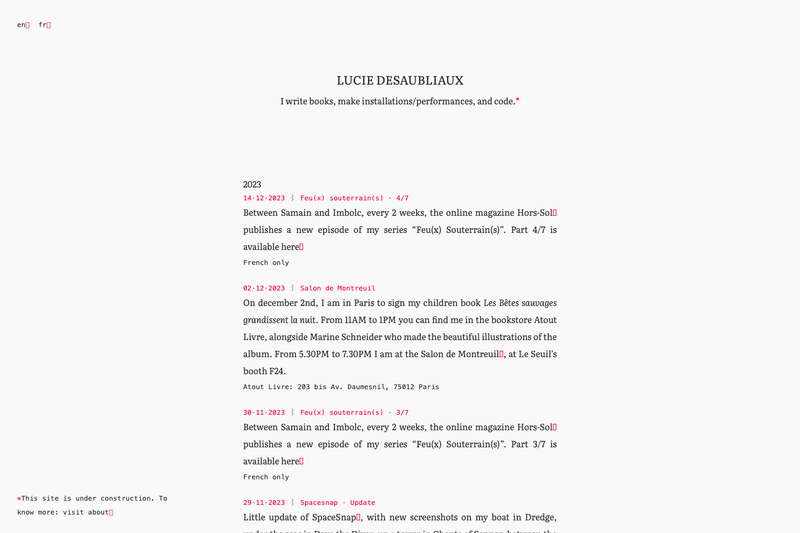
A Jekyll-based personal website template for regrouping code and art projects, built as a public work-in-progress.
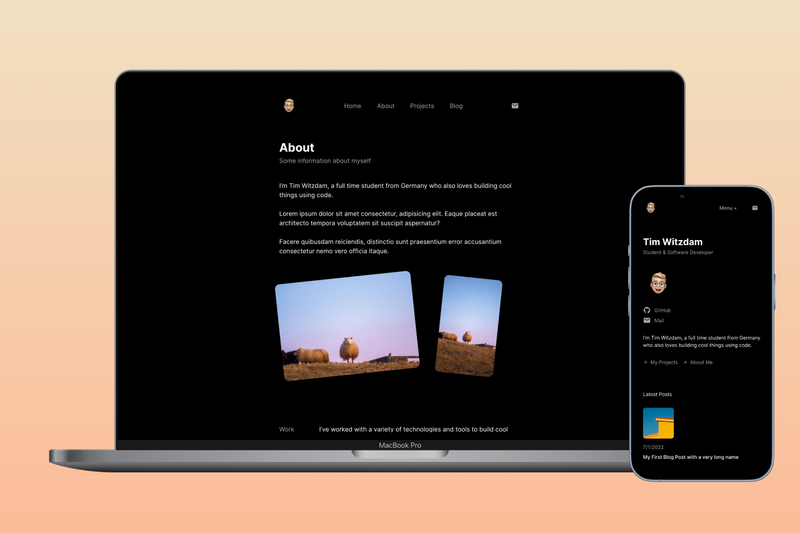
Open source minimalistic portfolio template built with Astro and Tailwind, with Home, About, Projects, and Blog pages.
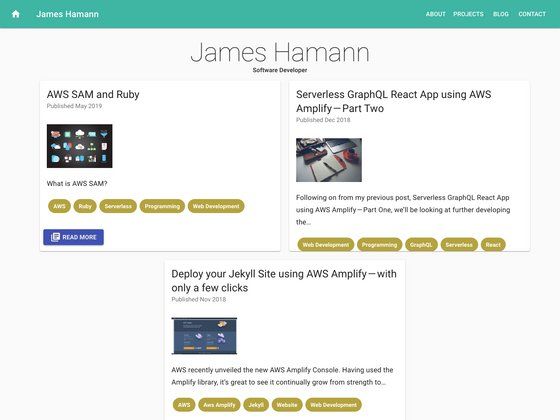
A Jekyll Theme based on Material Design using Materialize.
Tailwind UI Design Practice is an open-source learning project that rebuilds Tailwind UI components from scratch using Gatsby, CSS Modules, and SCSS, with a live demo hosted on Vercel. Instead of copying Tailwind UI's code, the author hand-builds each component to strengthen their front-end abilities, making the repository a study resource for developers who want to see an alternative CSS approach to the same designs.
It is a practice repository on GitHub where components inspired by Tailwind UI (a premium set of React and HTML components) are recreated from zero. The project takes the visual designs as a reference and produces React components styled with CSS Modules and SCSS, all organized into a Gatsby static site. The live version is deployed at https://tailwindui-design-practice.vercel.app/ and the code is available for anyone to inspect or fork.
Yes, it is a public GitHub repository, so the code is freely accessible and can be forked for personal or educational purposes. There is no pricing or licensing gate.
No. Despite the name and inspiration, the project deliberately avoids Tailwind CSS utility classes. It uses plain CSS Modules and SCSS to recreate the look of Tailwind UI components from scratch.
The project is built with Gatsby, React, CSS Modules, and SCSS. This combination gives a static React site with scoped, preprocessed CSS.
The live version is hosted on Vercel at https://tailwindui-design-practice.vercel.app/.
Since the repository is public on GitHub, you can read the code, raise issues, or fork it to continue the practice yourself. The author's stated goal is skill improvement, so the project is intentionally educational.