Newsletter
Join the Community
Subscribe to our newsletter for the latest news and updates

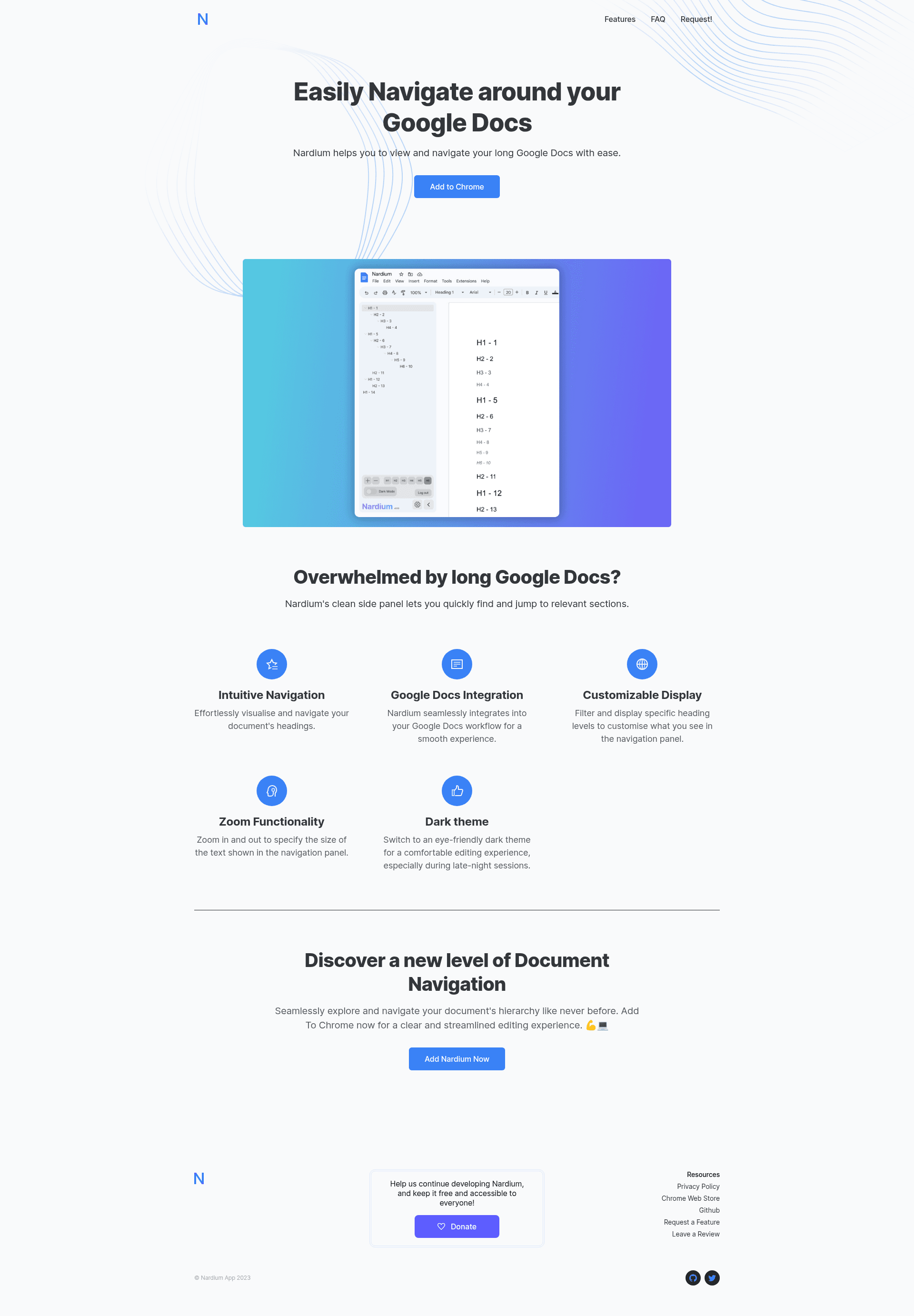
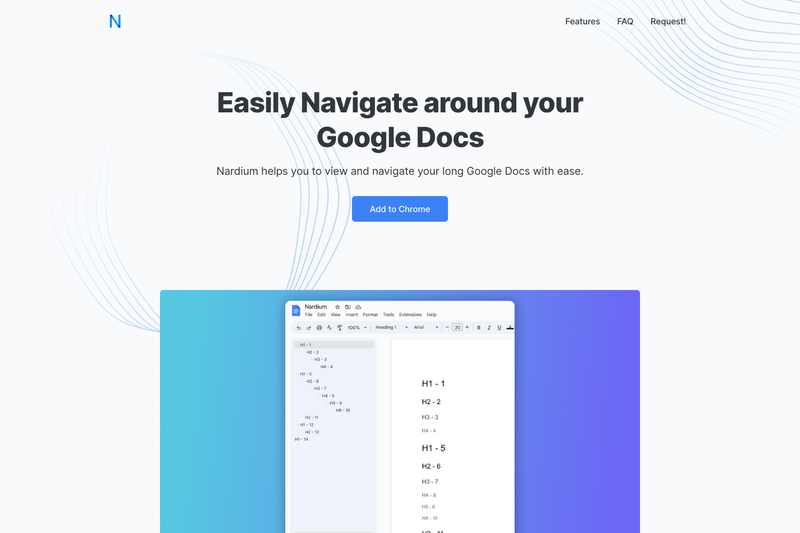
Official landing page of the Nardium Chrome Extension - a tool that helps you explore and navigate your Google Docs with ease!
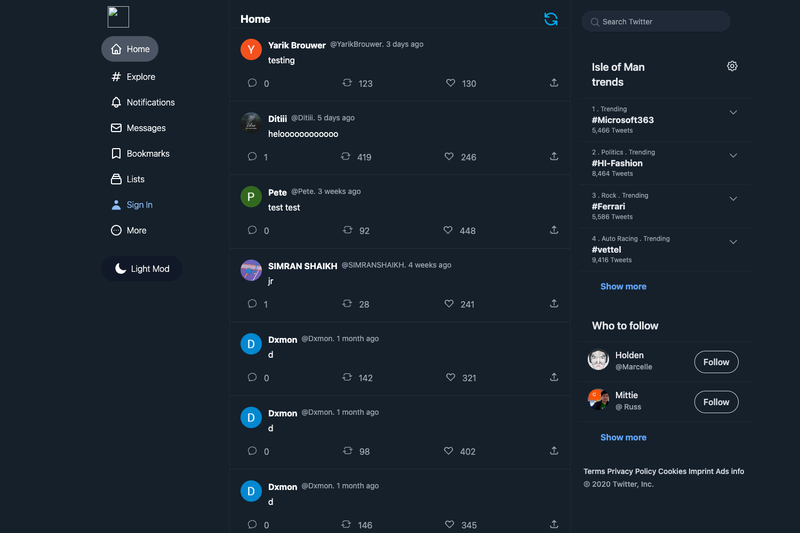
Twitter 2.0 with REACT.JS! (Next.js, Sanity CMS, Typescript, SSR, Tailwind, GoogleAuth, Dark Mode & Light Mode & Twitter Profile)

A Chargebee focused T3 Stack that integrates User Subscriptions, Authentication and Testing. Driven by Prisma ORM. Deploys to Vercel
An MCP server example built with Hono that exposes math tools and deploys to Vercel.
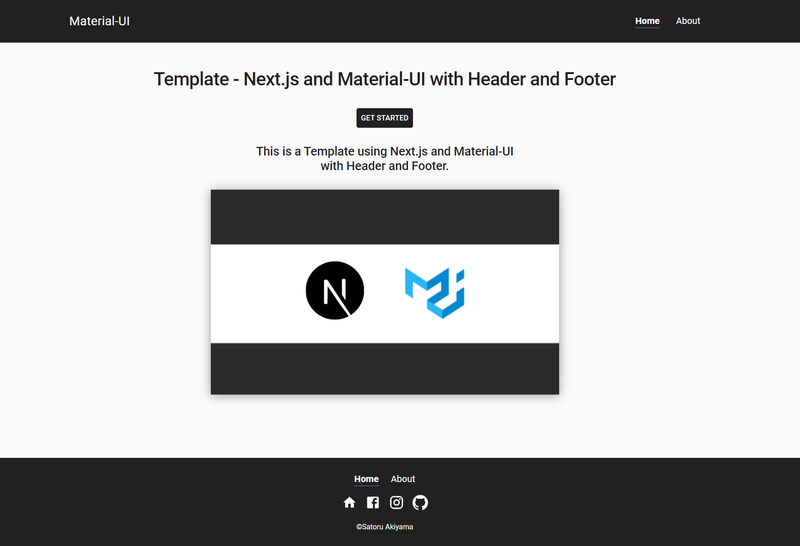
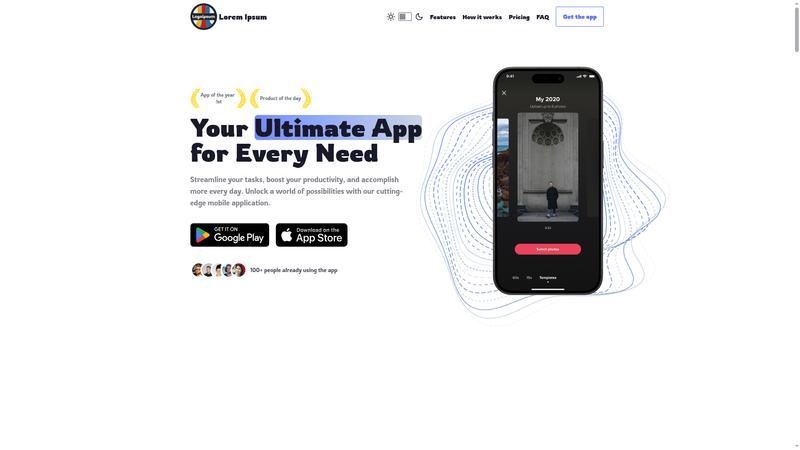
This is a Template using Next.js and Material-UI with Header and Footer.
Nardium Landing Page is a Next.js and Tailwind CSS landing page template that serves as the official website for the Nardium Chrome Extension, a tool for exploring and navigating Google Docs. This open-source template, hosted on GitHub Pages, gives you a ready-made marketing page with Google Analytics 4 event tracking and a direct link to install the extension from the Chrome Web Store.
Nardium Landing Page is a static marketing page built with the Next.js React framework and styled with Tailwind CSS utility classes. It takes the branding and copy for the Nardium Chrome Extension and renders them as a single-page landing site, with a call-to-action linking to the extension's Chrome Web Store listing. The project is based on Cruip's open-react-template, an open-source starting point, and is deployed on GitHub Pages for free static hosting.
Developers and makers who create Chrome extensions need a simple, professional landing page to explain their product and drive installs. This template suits solo developers launching a productivity tool, small teams wanting to showcase a browser extension without building a site from scratch, and anyone familiar with Next.js who wants a pre-configured analytics setup. As the official page for Nardium, it demonstrates a concrete example of converting visitors into Chrome Web Store clicks.
Nardium is a Chrome extension that helps you explore and navigate your Google Docs with ease, providing an outline and navigation aids for long documents.
The repository is hosted on GitHub with an open-source origin based on Cruip's template, and it is available for anyone to fork and reuse, though no explicit license is stated in the content provided.
The landing page itself is separate from the extension; the template only markets the extension. The Nardium extension is installed from the Chrome Web Store and then operates within Google Docs.
Yes, GitHub Pages supports custom domains, so you can configure the repository's settings to point your own domain to the deployed site.
The template includes Google Analytics 4 event tracking, which sends page-view and interaction events to a GA4 property that you configure.