Newsletter
Join the Community
Subscribe to our newsletter for the latest news and updates

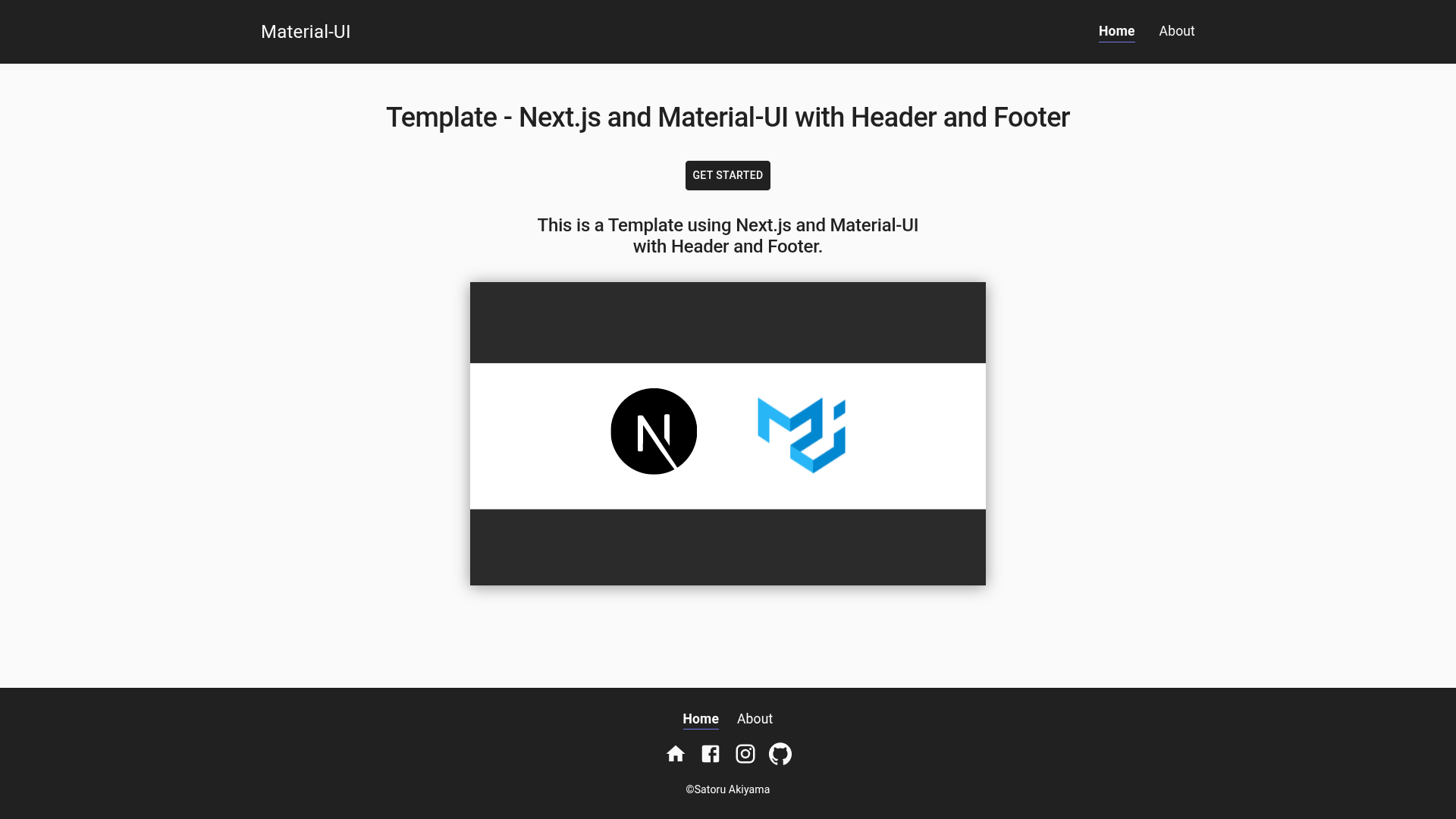
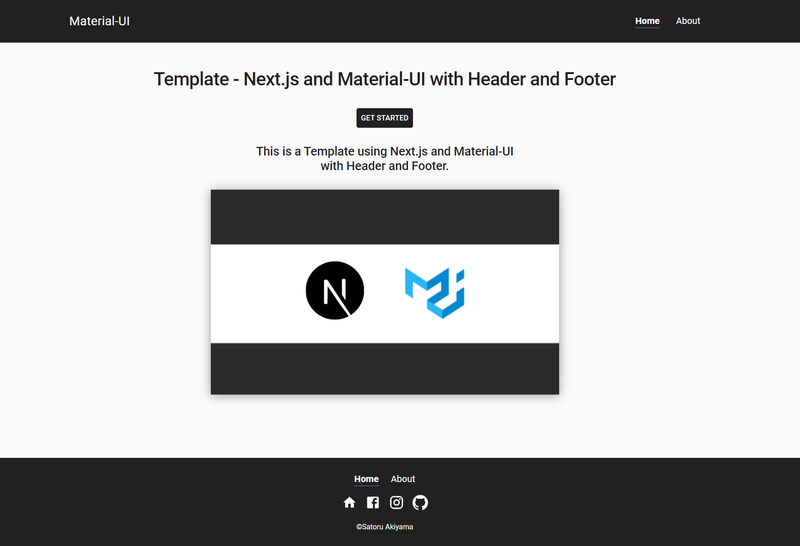
This is a Template using Next.js and Material-UI with Header and Footer.
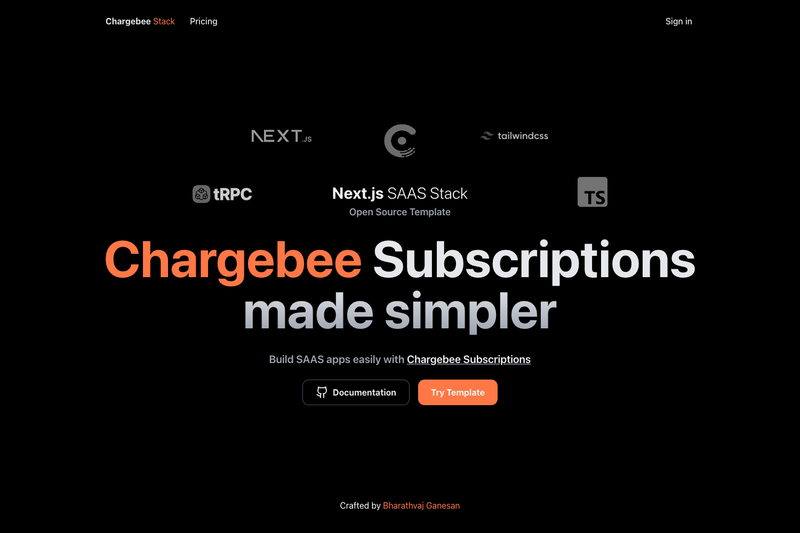
A Chargebee focused T3 Stack that integrates User Subscriptions, Authentication and Testing. Driven by Prisma ORM. Deploys to Vercel

An MCP server example built with Hono that exposes math tools and deploys to Vercel.
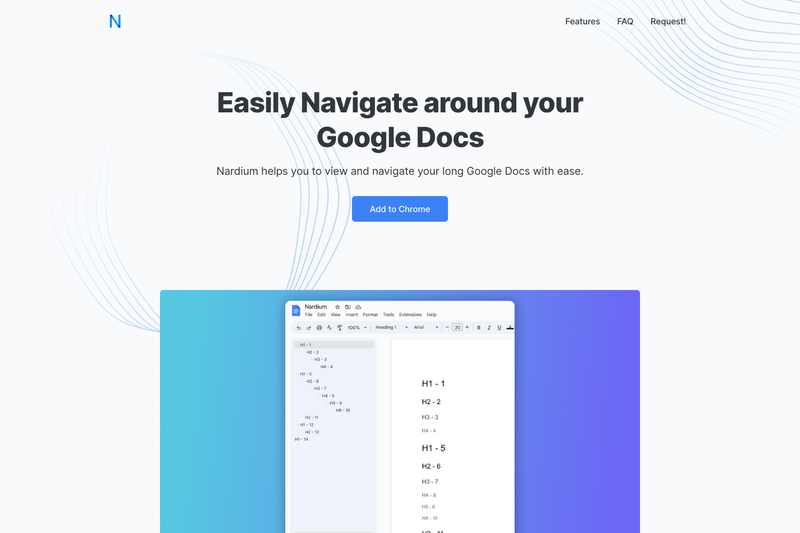
Official landing page of the Nardium Chrome Extension - a tool that helps you explore and navigate your Google Docs with ease!
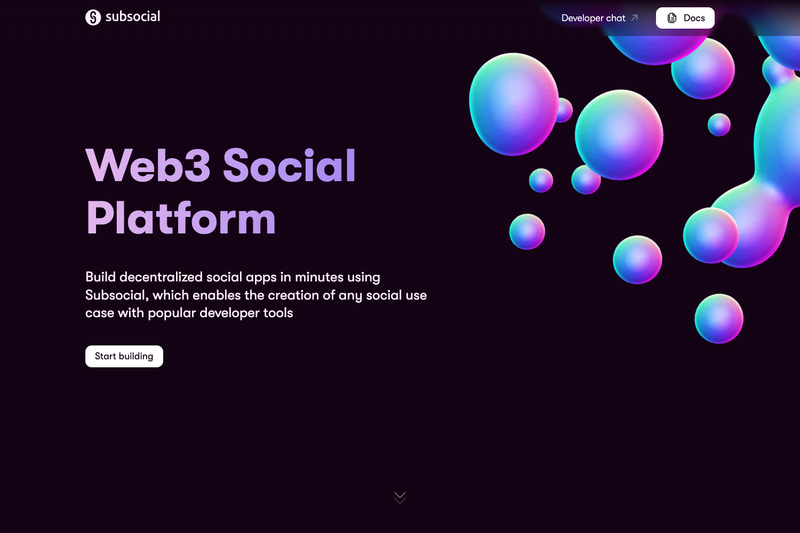
The React template showcases Subsocial's basic functionality, and allows you to get a better understanding of how to build React dapps on Subsocial.
The Next.js and Material-UI Template with Header and Footer is a minimal Next.js starter boilerplate that bundles a pre-built Material-UI header and footer, configurable social links, and a home and about page for quickly scaffolding a React site.
This template is a minimal Next.js starter project (a boilerplate) that provides a pre-built header and footer styled with Material-UI (MUI), plus two pages: /pages/index.js (home) and /pages/about.js (about). As input, it takes social media URLs from /data/socialMedia.js and page title/description strings passed as props to /components/layout/Layout.js, and outputs a working React website with navigation, social links, and head metadata. It runs on Next.js and can be deployed to Vercel; the author is Satoru Akiyama, and it is released under the MIT license.
Yes, the template is released under the MIT license, meaning you can freely use, modify, and distribute it, including for commercial purposes.
The template uses Material-UI (MUI) with components like Grid and icons from the @material-ui/icons package, as shown in the customization examples for social links.
No, the template only includes a home page and an about page with a header and footer. It does not include a blog, CMS, or database integration; the author has a separate blog-with-Next.js-and-Contentful repository referenced in the default GitHub URL.
Edit /data/socialMedia.js to add a key-value pair, then edit /components/Social.js to import the corresponding Material-UI icon and add a new Grid item that uses the new value. The example in the documentation shows how to add Twitter.
Yes, because it is a standard Next.js application. The live demo is hosted on Vercel, and you can deploy your own clone using the Vercel dashboard or CLI.