Newsletter
Join the Community
Subscribe to our newsletter for the latest news and updates

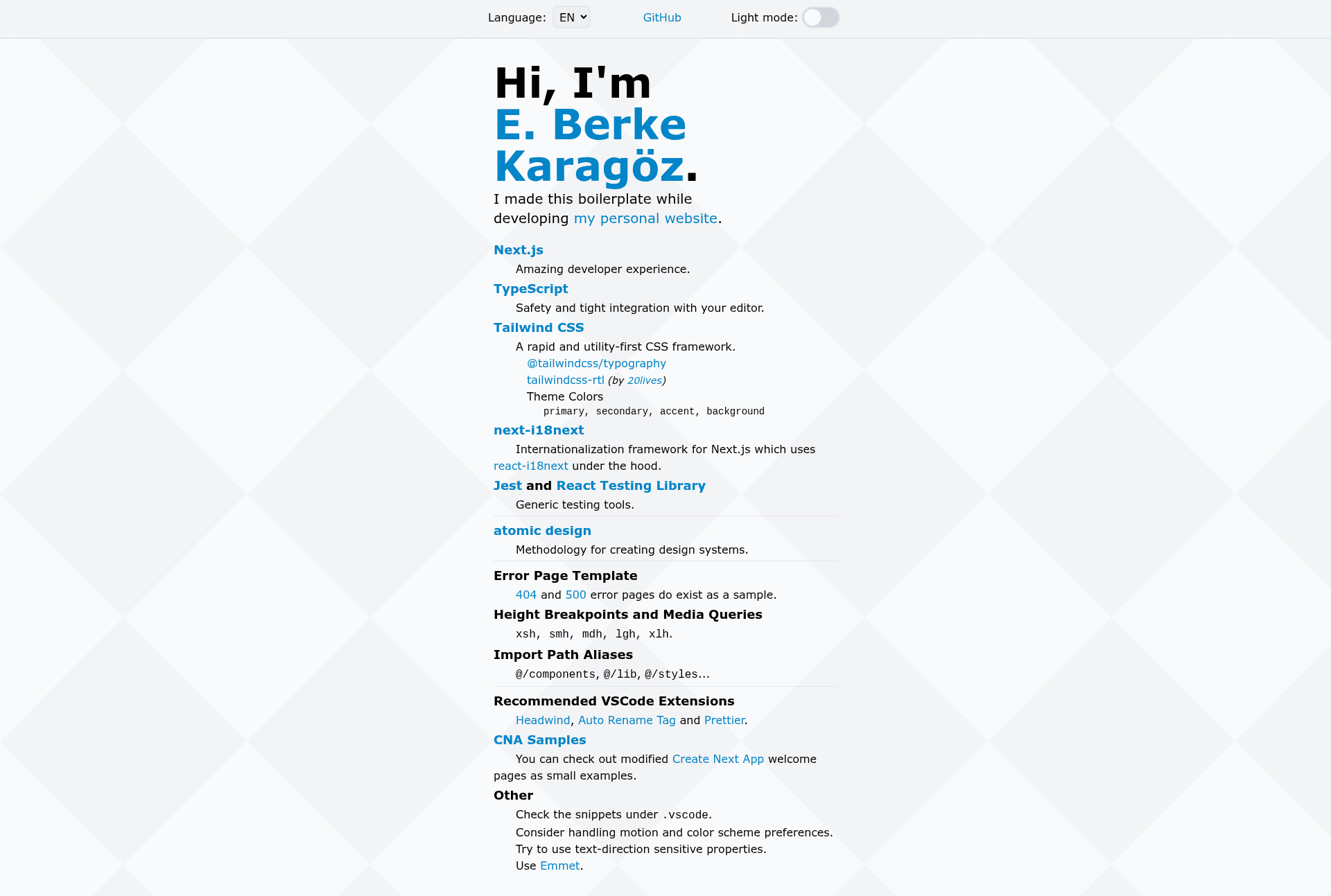
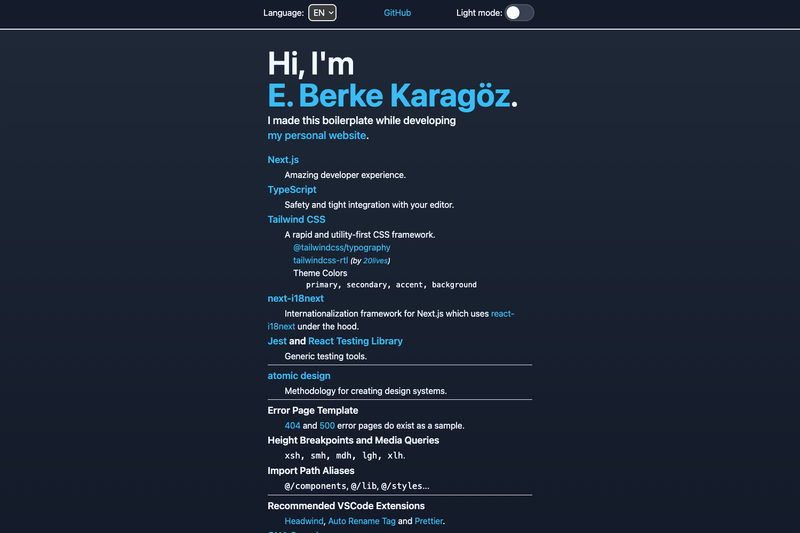
A Next.js boilerplate with TypeScript, Tailwind CSS, next-i18next, Jest, and atomic design.

A Go framework on Vercel based on Gin, supporting API routes and html/template.

Online presentation for GitHub Pages and Jekyll in Markdown using reveal.js with a Solarized Color Theme
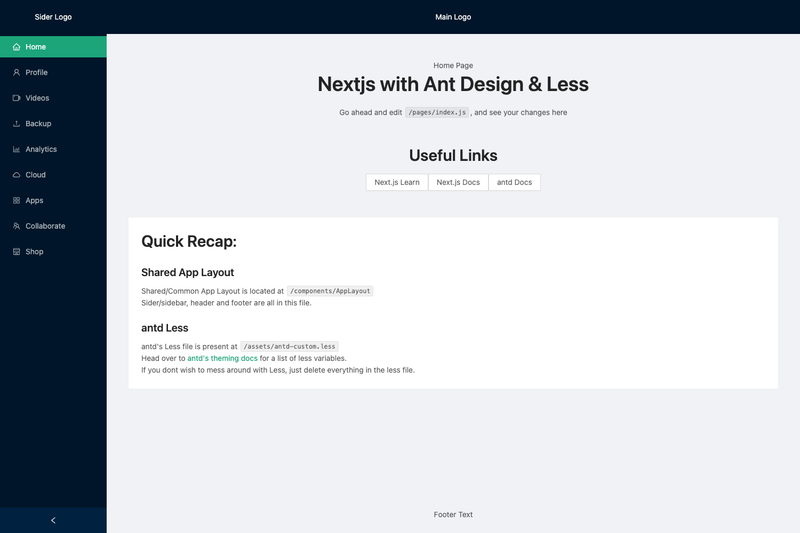
Next.js App with Ant-Design and Less configured out of the box
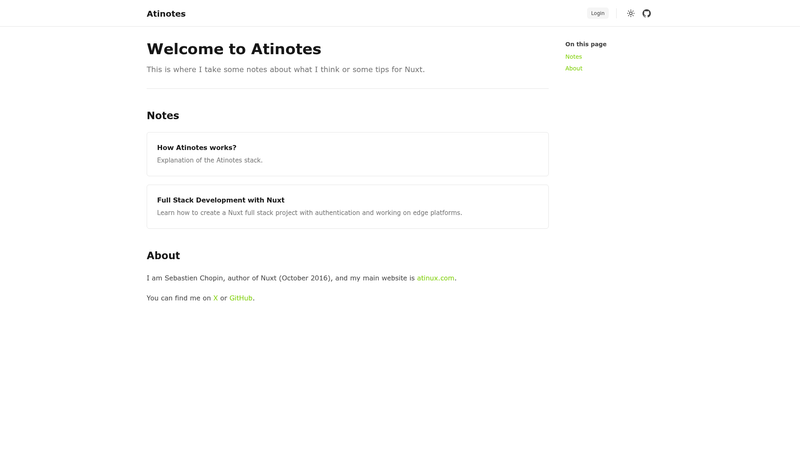
Save Markdown notes online with this editable Nuxt template featuring universal rendering on the edge.
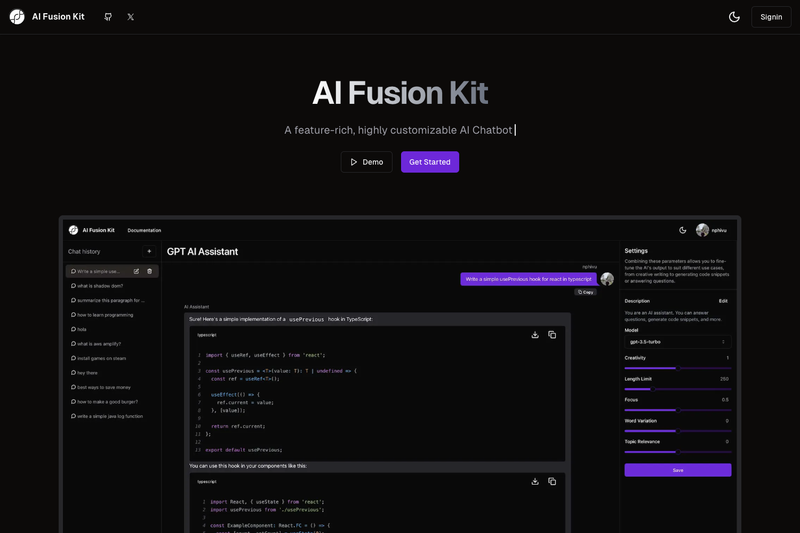
A feature-rich, highly customizable AI Web App Template, empowered by Next.js.
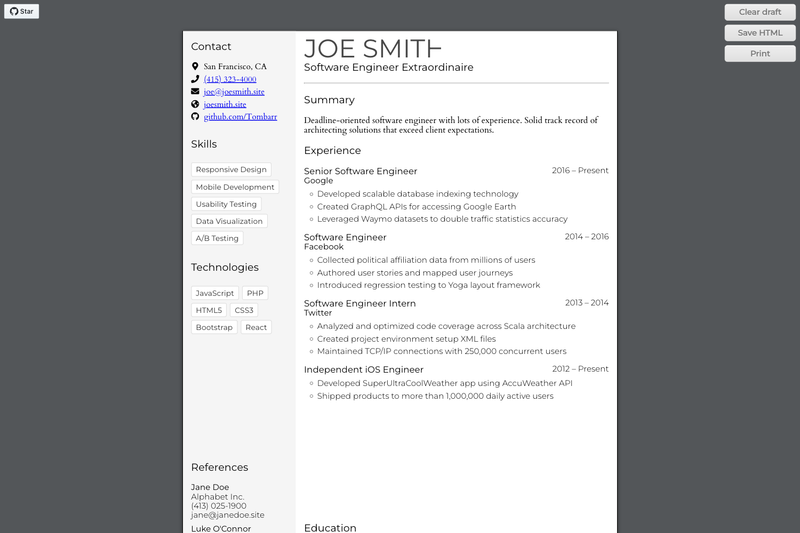
Editable resume template built with HTML, CSS, and JS. Built by and for software engineers and web developers.
next-ts-tailwindcss-i18n is a Next.js boilerplate that bundles TypeScript, Tailwind CSS, next-i18next, Jest, and atomic design into a single starting point for web applications.
next-ts-tailwindcss-i18n is an open-source project template created by Berke Karagöz while developing his personal website. It takes a fresh Next.js app and layers on TypeScript for type safety, Tailwind CSS for styling, next-i18next for internationalization, Jest and React Testing Library for testing, and an atomic design folder structure. The output is a preconfigured codebase you can clone and run with npm run dev or yarn dev, then edit pages/index.tsx to build your own application.
The boilerplate follows a standard Next.js workflow. Run npm run dev or yarn dev to start the development server at http://localhost:3000. Pages live in the pages directory, and API routes are in pages/api — for example, a hello route is accessible at /api/hello. The project includes recommended VSCode extensions like Headwind, Auto Rename Tag, and Prettier, plus code snippets under .vscode.
Yes, next-i18next is included and configured using react-i18next under the hood. You can manage translations for multiple locales out of the box.
Jest and React Testing Library are preinstalled, so you can write and run unit and component tests without additional setup.
Yes, the tailwindcss-rtl plugin is included, and the template encourages using text-direction-sensitive properties for RTL layouts.
Run npm run dev or yarn dev from the project root. The app will be available at http://localhost:3000 and hot-reloads as you edit files.
The Tailwind theme defines four custom colors: primary, secondary, accent, and background, which you can adjust in the Tailwind configuration.