Newsletter
Join the Community
Subscribe to our newsletter for the latest news and updates

A Go framework on Vercel based on Gin, supporting API routes and html/template.
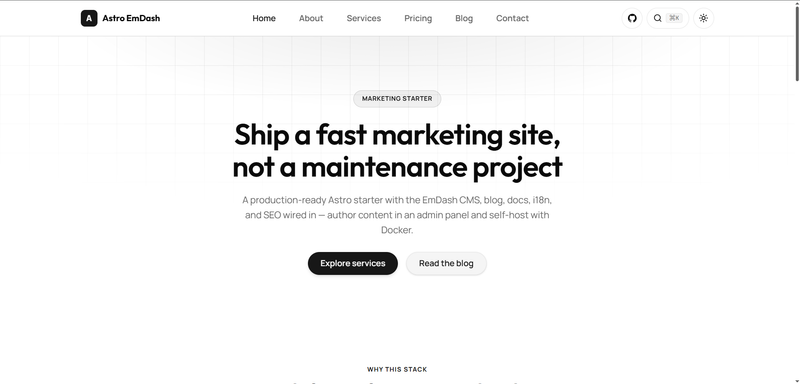
Self-hostable Astro marketing + blog + docs starter using EmDash CMS, SQLite, and Cloudflare R2. Typed pages, full-text search, SEO.
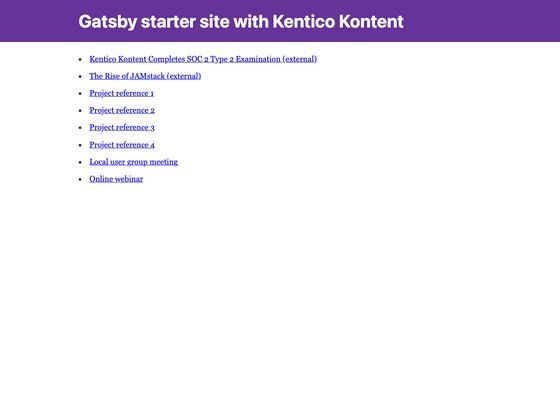
Gatsby starter site pre-configured with Kontent.ai CMS and the @kontent-ai/gatsby-source plugin, featuring a sample article list for Dancing Goat coffee shop.
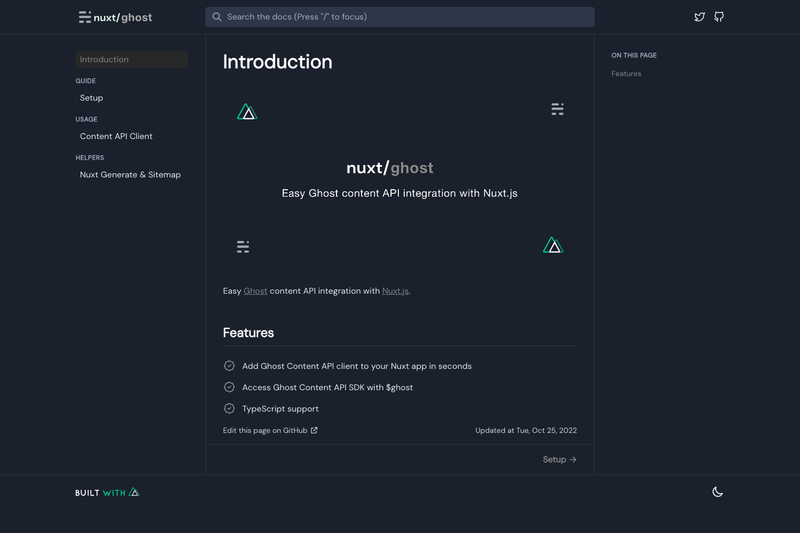
Easy Ghost content API integration with Nuxt.js.

Online presentation for GitHub Pages and Jekyll in Markdown using reveal.js with a Solarized Color Theme
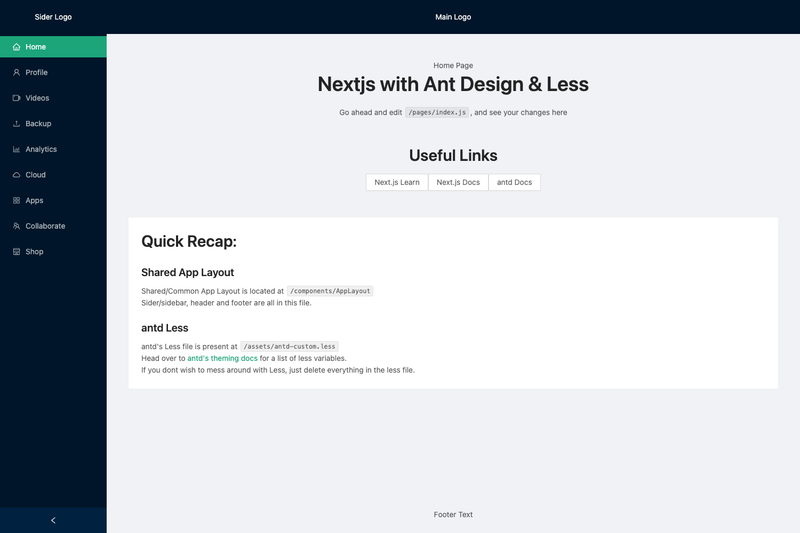
Next.js App with Ant-Design and Less configured out of the box
vercel-golang is a Go boilerplate built on the Gin framework that lets you deploy a serverless API or HTML-rendering service to Vercel, with MySQL, Redis, logging, and notification integrations wired in.
vercel-golang is an open-source template by iszmxw for running Go (Gin) applications on Vercel's serverless platform. It accepts your Go route handlers, GORM models, and html/template views plus a JSON configuration, and compiles them into a Vercel deployment. The template includes a one-click Deploy with Vercel button that clones the repository and prompts for the required CONFIG environment variable.
bin/gormt.go connects to a MySQL database and auto-refreshes the GORM model files under ./app/models when you run go run bin/gormt.go.application.yaml (activated by setting DEV=1 and TLS=false in a .env file), while Vercel deployments read a JSON string from the CONFIG environment variable.DB_PREFIX).go mod tidy, install the Vercel CLI globally, and use vercel dev for local serverless testing.gormt.go tool.Start by forking the repository and cloning it locally. Then run go mod tidy, install the Vercel CLI with pnpm, and log in with vercel login. For local development, copy .env.example to .env, set TLS=false, and provide a CONFIG JSON string, then run vercel dev or go run main.go with DEV=1 in .env to use application.yaml instead. For deployment, set the same CONFIG JSON in the Vercel dashboard's environment variables and deploy.
Yes, the template is open source and does not require a paid license. You only pay Vercel's hosting costs, which have a free tier for hobby projects.
The repository recommends Go 1.18.10 or higher for local development. Vercel's Go runtime will use the supported Go version available at deploy time.
Set the database and cache fields inside the CONFIG JSON environment variable, including DB_HOST, DB_PORT, DB_DATABASE, DB_USERNAME, DB_PASSWORD, REDIS_HOST, and REDIS_PORT. The template also supports a table prefix via DB_PREFIX.
Yes, the framework wraps Gin to serve Go's html/template views, so you can render dynamic pages from the same application.
When running locally without Vercel, setting DEV=1 in a .env file tells the application to load application.yaml instead of the CONFIG environment variable, so you can develop against a plain Go server.