Newsletter
Join the Community
Subscribe to our newsletter for the latest news and updates

Online presentation for GitHub Pages and Jekyll in Markdown using reveal.js with a Solarized Color Theme
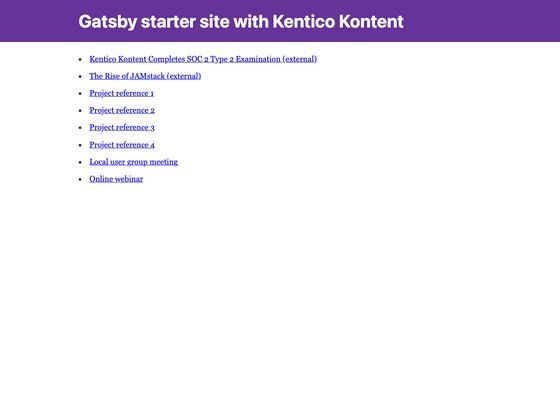
Gatsby starter site pre-configured with Kontent.ai CMS and the @kontent-ai/gatsby-source plugin, featuring a sample article list for Dancing Goat coffee shop.
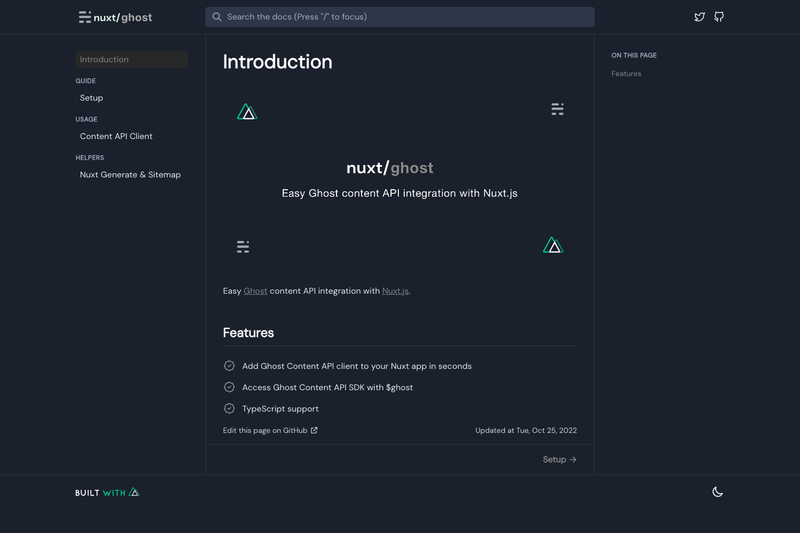
Easy Ghost content API integration with Nuxt.js.

A Go framework on Vercel based on Gin, supporting API routes and html/template.
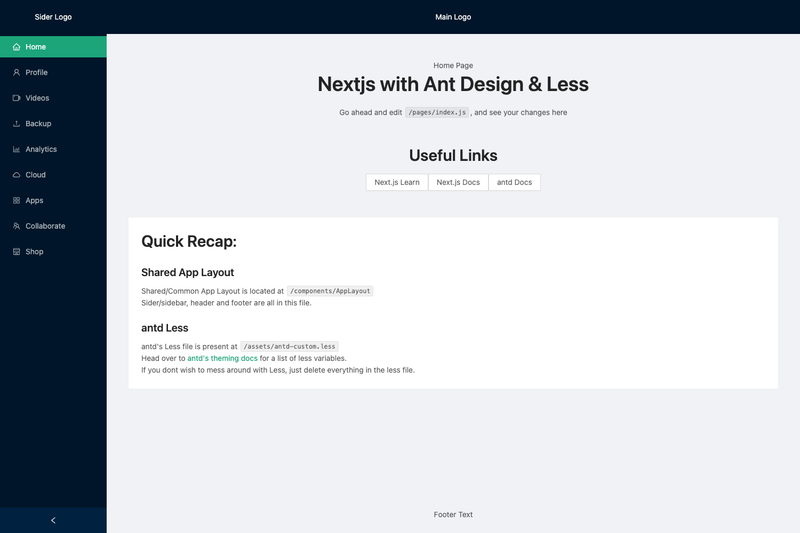
Next.js App with Ant-Design and Less configured out of the box
reveal-jekyll is a Jekyll boilerplate that transforms Markdown files into a reveal.js presentation slide deck, ready to publish on GitHub Pages or GitLab Pages. It pairs the static-site generation of Jekyll with the HTML presentation framework reveal.js, and styles everything with the Solarized color scheme (light and dark variants).
reveal-jekyll is a Jekyll template and GitHub/GitLab Pages starter that converts Markdown posts into a slide presentation. It takes as input Markdown files placed in the _posts folder with a layout: slide front matter entry, and outputs a static HTML presentation powered by reveal.js. The project is authored by Thomas Friese and is MIT-licensed, with the demo presentation available at tasmo.gitlab.io/reveal-jekyll.
baseurl in _config.yml._posts (e.g. 2014-1-1-start.md), each with YAML front matter.highlight block or use HTML pre/code with language-* classes and data attributes like data-trim and data-line-numbers.reveal: key in _config.yml, including slide numbering formats such as c/t.bundle exec jekyll serve after installing dependencies with Bundler, then view slides at http://127.0.0.1:4000.username.github.io/projectname by adjusting baseurl in the configuration.yourname.github.io, and push Markdown files to build a user/org site.baseurl for a project site, and your deck appears at yourname.gitlab.io/projectname.title blank and wrap sections in HTML <section markdown="1"> for vertical slides; use <div markdown="1" class="fragment"> for step-by-step reveals.<aside class="notes" markdown="1"> in a slide and press s during the presentation to open the speaker window.Jekyll reads the Markdown posts, processes front matter, and renders each post as a slide section inside a single index.html presentation file. The _config.yml provides global reveal.js options that are injected into the script block at the bottom of that file. The static site is then served by GitHub Pages, GitLab Pages, or a local Jekyll server.