Newsletter
Join the Community
Subscribe to our newsletter for the latest news and updates

Starter for a generic CRUD app with Apollo GraphQL Server, Next.js API routes, and MongoDB.
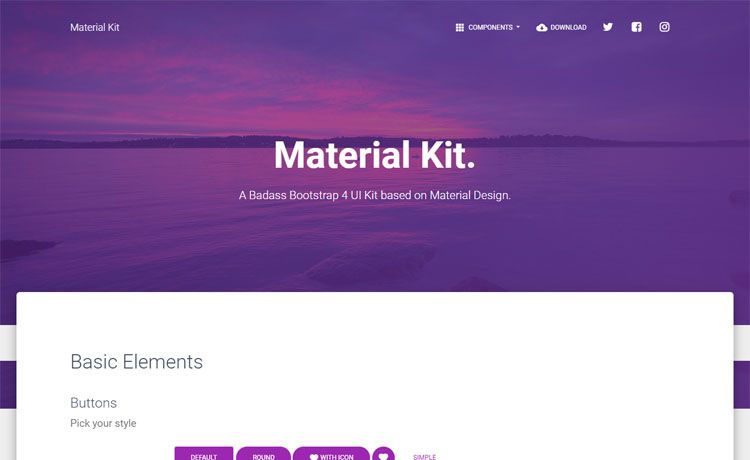
Free Bootstrap 4 UI kit based on material design with 60 components, 5 JavaScript components, and 3 example pages.
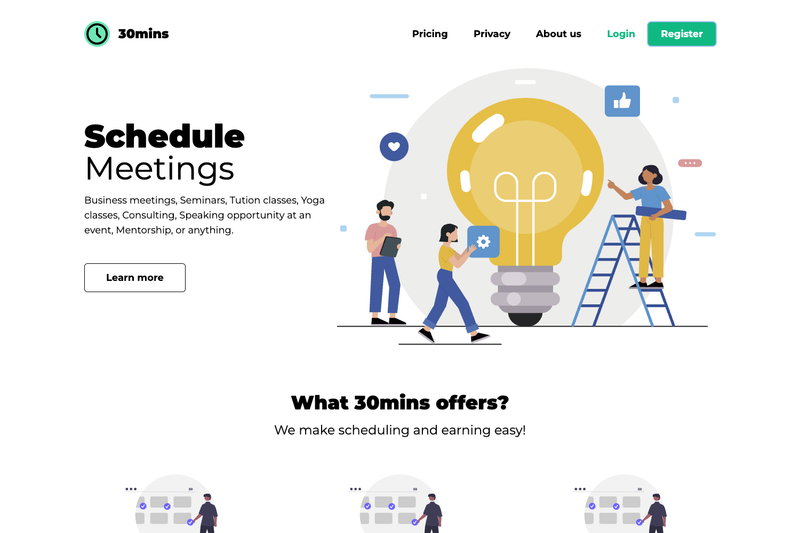
A Calendly-like scheduling template built with Next.js, TypeScript, Tailwind CSS, and Firebase Auth.

A template for building scrollable landing pages with GSAP, ScrollTrigger, and the WEBGi engine in TypeScript using Parcel bundler.
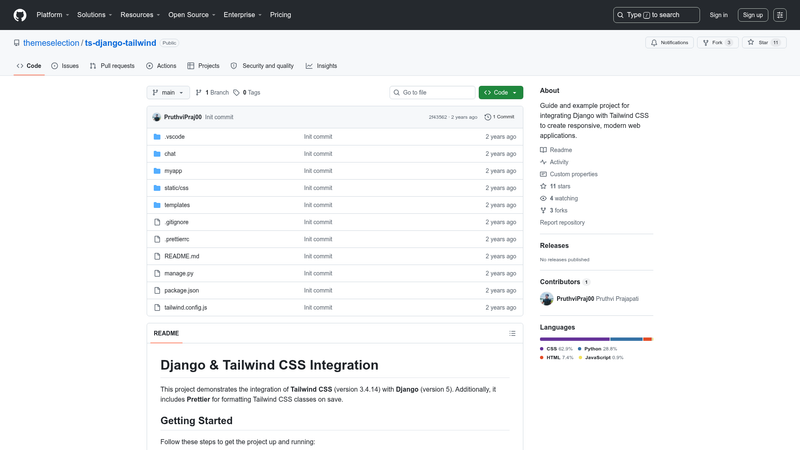
Guide and example project for integrating Django with Tailwind CSS to create responsive, modern web applications.
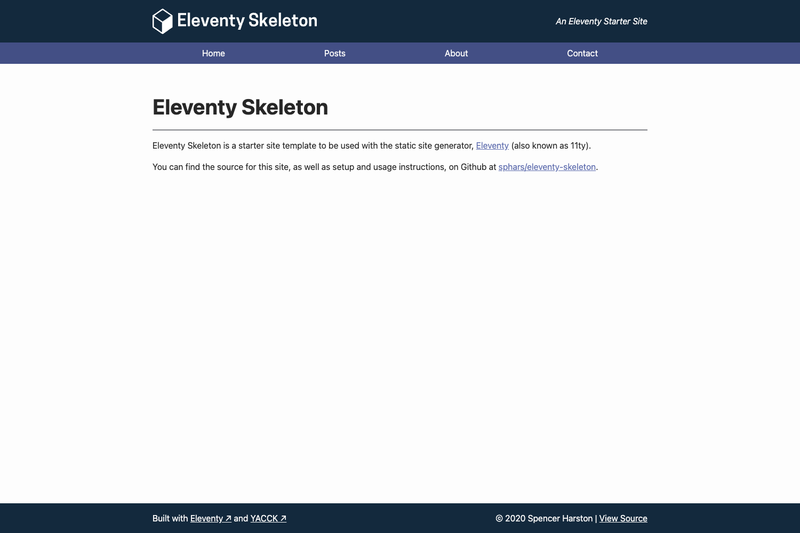
A simple, basic site template built using Eleventy
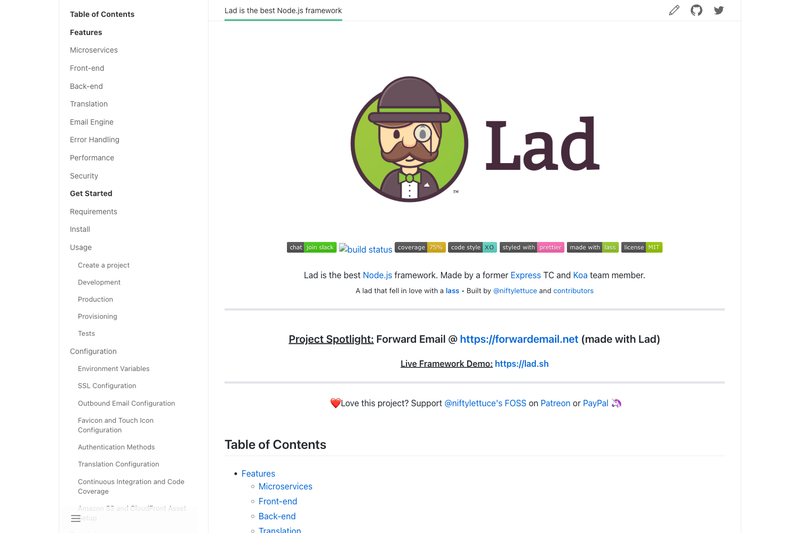
A Node.js web server boilerplate for the Lad framework, with Express/Koa middleware and rate limiting.
The Next.js Apollo GraphQL MongoDB CRUD Starter is an open-source boilerplate that scaffolds a generic CRUD application with a Next.js front end, an Apollo GraphQL Server exposed as a Next.js API route, and MongoDB for data persistence; the repository carries the description "Advanced Starter GraphQL Next js Crud Mongodb" and has 31 stars.
This starter takes as input a MongoDB connection string stored in a .env.local file (renamed from .env.local.tmp) and produces a working GraphQL endpoint at /api/graphql, a generated TypeScript schema, and a home page at pages/index.tsx that you edit to build your UI. It runs entirely within the Next.js framework: the GraphQL server is implemented in pages/api/graphql.ts, so there is no separate backend process. The project is a create-next-app foundation, with API routes automatically mapped to /api/*.
yarn generate command builds the GraphQL schema and TypeScript type definitions so client and server types remain in sync.yarn dev starts Next.js in development mode; editing pages/index.tsx updates the page in the browser automatically.yarn install.yarn generate to create the GraphQL schema and TypeScript types.yarn dev, then open http://localhost:3000/api/graphql to try the GraphQL endpoint.The repository is publicly hosted on GitHub and appears in search results as a boilerplate; nothing in the README indicates a paid license or pricing plan, so it is free to fork and modify.
It uses Next.js (React framework), Apollo GraphQL Server (exposed through a Next.js API route), MongoDB (connected via a MONGODB_URI environment variable), and generates Typescript types with a yarn generate command.
Copy .env.local.tmp to .env.local, open the file, and replace the placeholder MONGODB_URI value with your actual MongoDB connection string. After saving, run yarn generate and then yarn dev.
During development, the GraphQL endpoint is at http://localhost:3000/api/graphql. It is defined in pages/api/graphql.ts, and because Next.js maps the pages/api directory to /api/*, the route is automatically exposed.