Newsletter
Join the Community
Subscribe to our newsletter for the latest news and updates

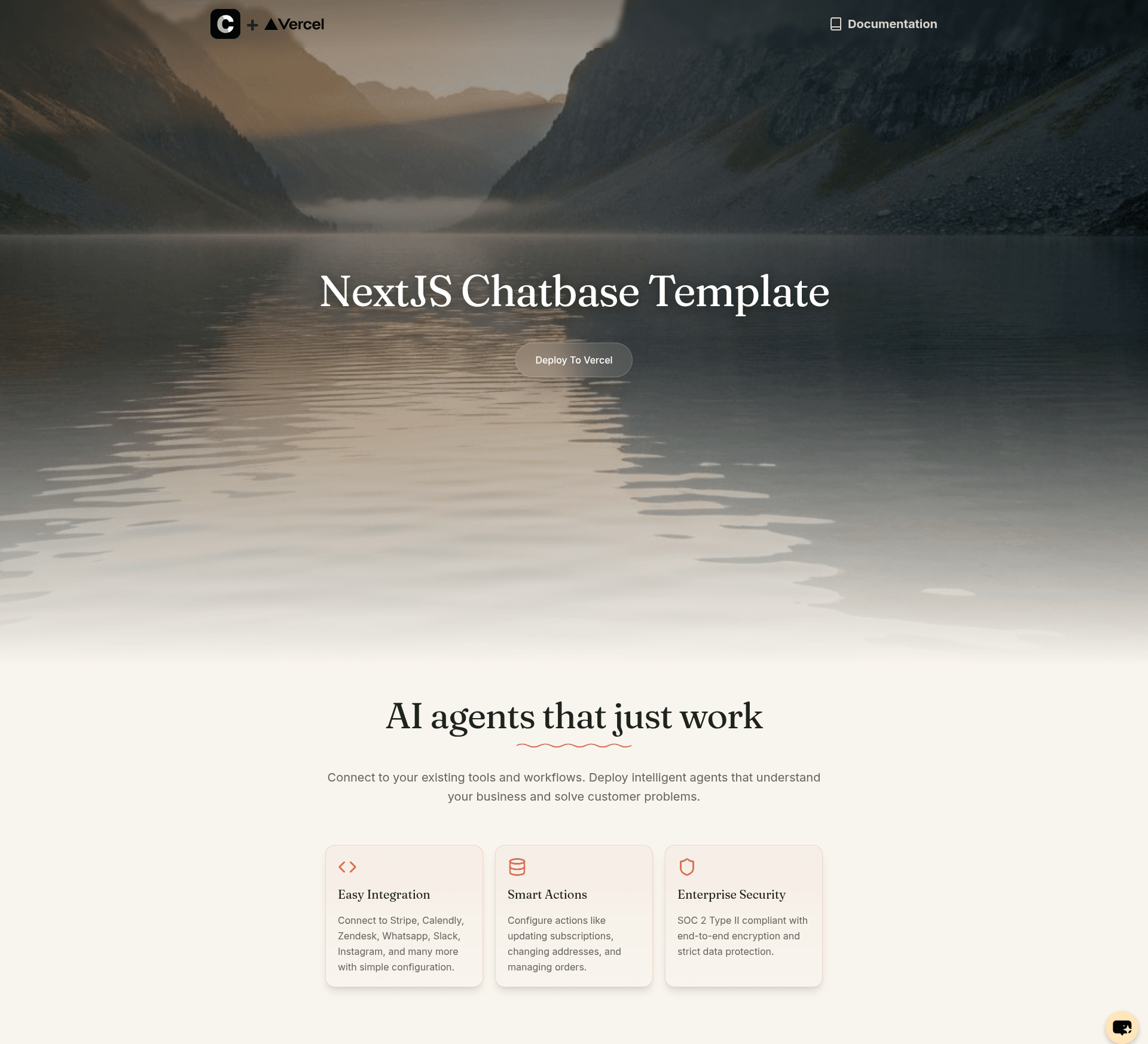
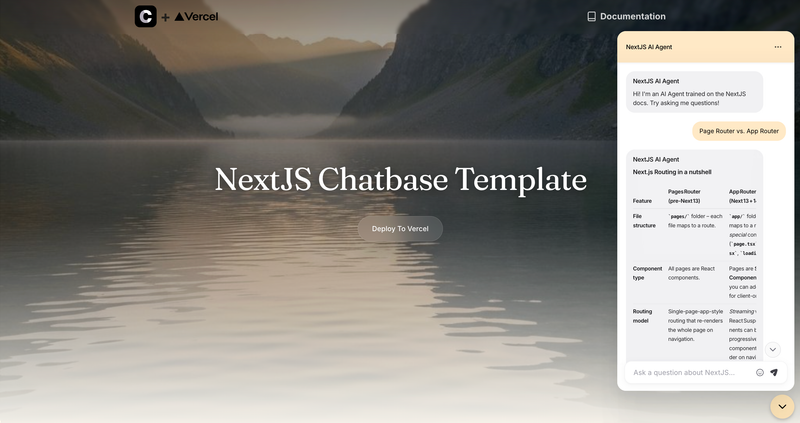
A Next.js starter template that embeds a Chatbase AI agent, requiring only a chatbot ID environment variable to go live.
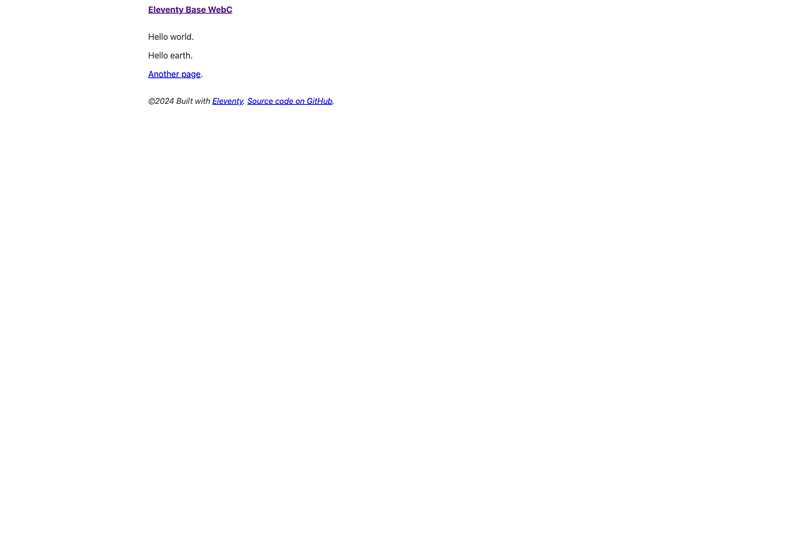
A minimalist bare-bones starter project using Eleventy and WebC.
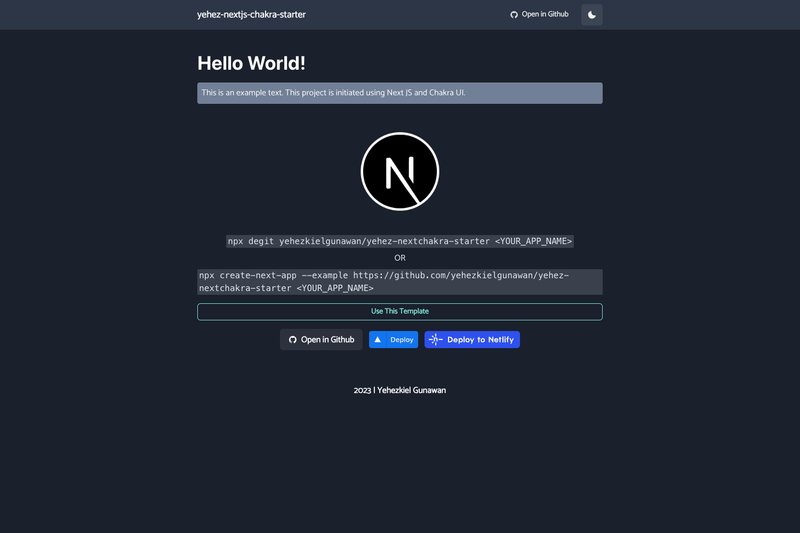
Personalized NextJS + TS + Chakra UI starter template

Just fresh and creative template which is simple and easy to apply for your websites
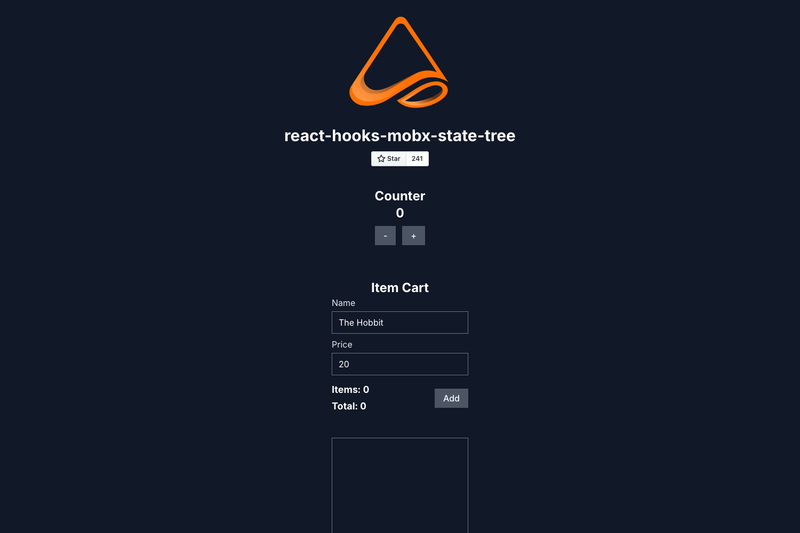
Example project showing how to use mobx-state-tree with React Hooks and TypeScript.
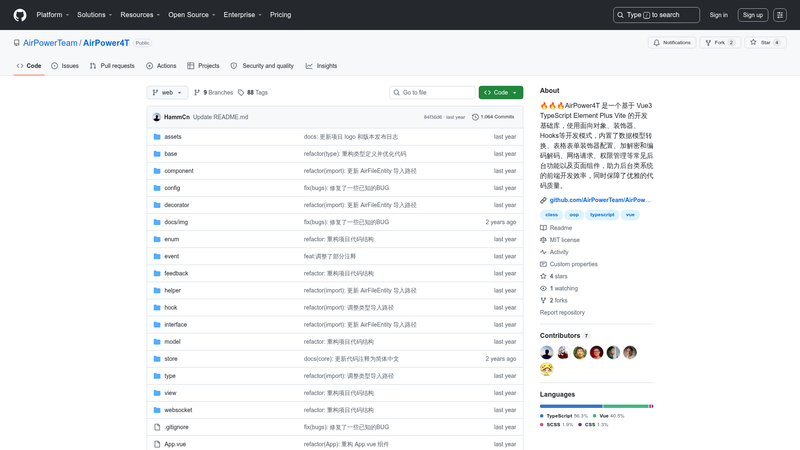
AirPower4T is a Vue3/TypeScript/Element Plus/Vite admin development base with OOP, decorators, hooks, and built-in components.
The Next.js Chatbase Template is a boilerplate Next.js site that embeds a Chatbase AI agent, letting you ship a chatbot-backed website by setting a single environment variable.
The Next.js Chatbase Template is a starter repository from Chatbase-co that pairs a Next.js frontend with the Chatbase AI agent integration. It takes a Chatbase chatbot ID as its main input and produces a deployable website with an embedded chat widget. The template runs on any Next.js-compatible host, with one-click deploy support for Vercel, and is maintained by the Chatbase team.
NEXT_PUBLIC_CHATBOT_ID is required; store it in .env.local or pull it from Vercel with vercel env pull .env.local.pnpm install and pnpm dev, indicating a pnpm-friendly setup.The README walks through a four-step setup: create a Chatbase account and chatbot, copy your chatbot ID, set the NEXT_PUBLIC_CHATBOT_ID environment variable, then customize the agent's training data and persona from the Chatbase dashboard. Once configured, the chatbot appears on the generated site automatically.
Only NEXT_PUBLIC_CHATBOT_ID. You can create a .env.local file manually or run vercel env pull .env.local to fetch it from Vercel.
Log into your Chatbase dashboard, create a new chatbot (or pick an existing one), and copy its ID from the dashboard.
Yes. From the Chatbase dashboard you can upload documentation and FAQs, and adjust the agent's personality and response behavior.
The quick start commands use pnpm (pnpm install, pnpm dev), so pnpm is the intended package manager, though the project may work with others.
No, it is a Next.js template, so it can run on any host that supports Next.js. The README provides a dedicated one-click Vercel deploy flow, but other platforms are possible.