Newsletter
Join the Community
Subscribe to our newsletter for the latest news and updates

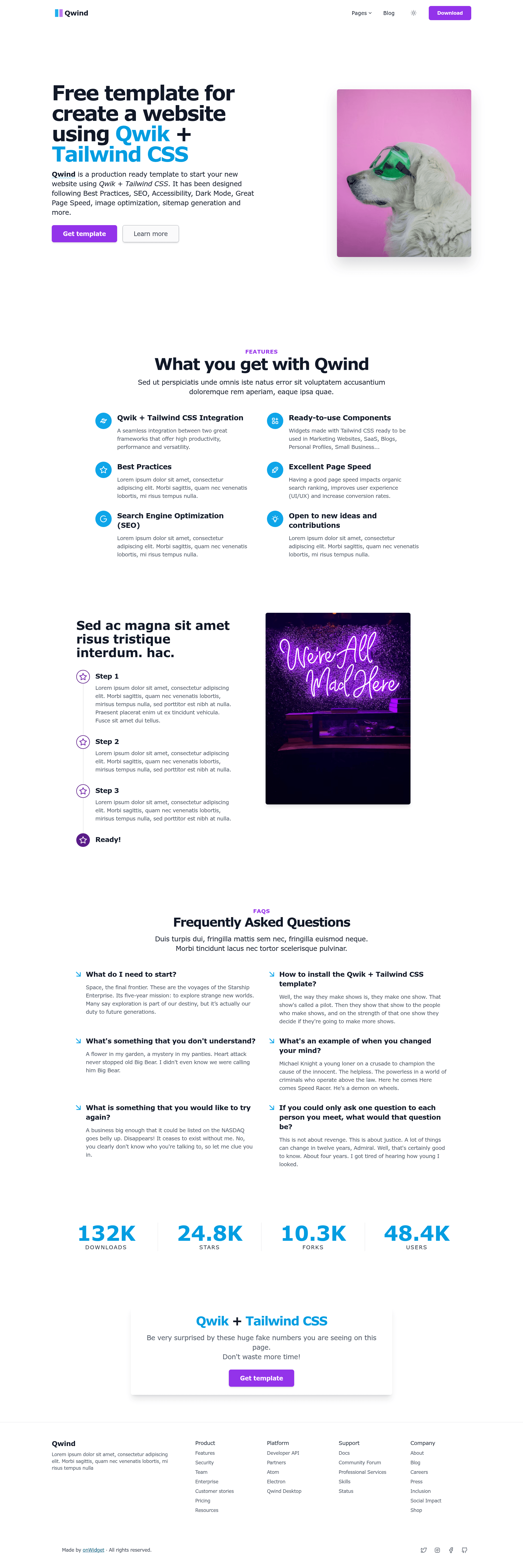
Free open-source Qwik + Tailwind CSS template for building static websites with blog support.
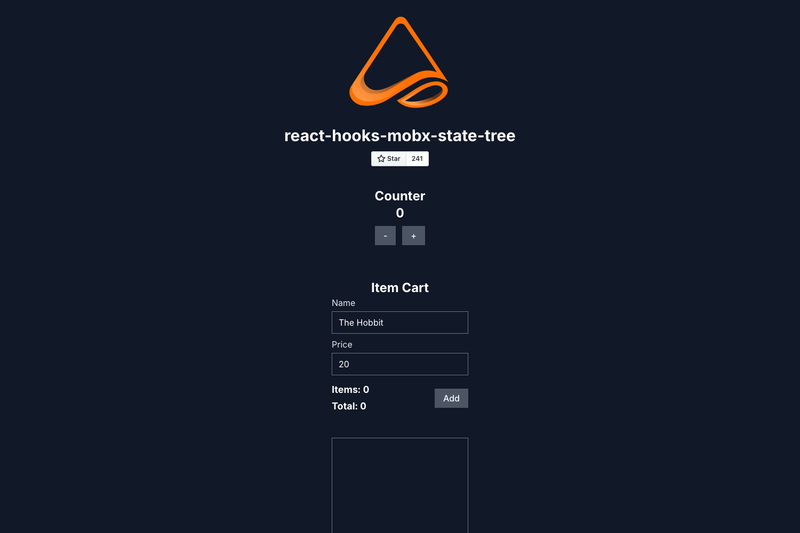
Example project showing how to use mobx-state-tree with React Hooks and TypeScript.
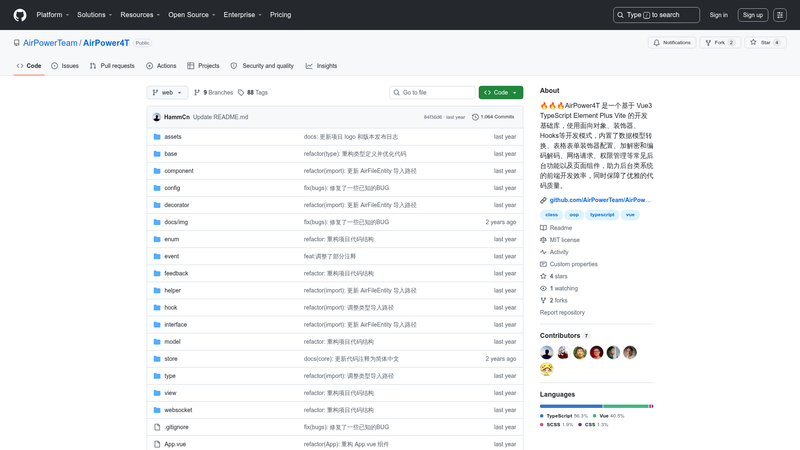
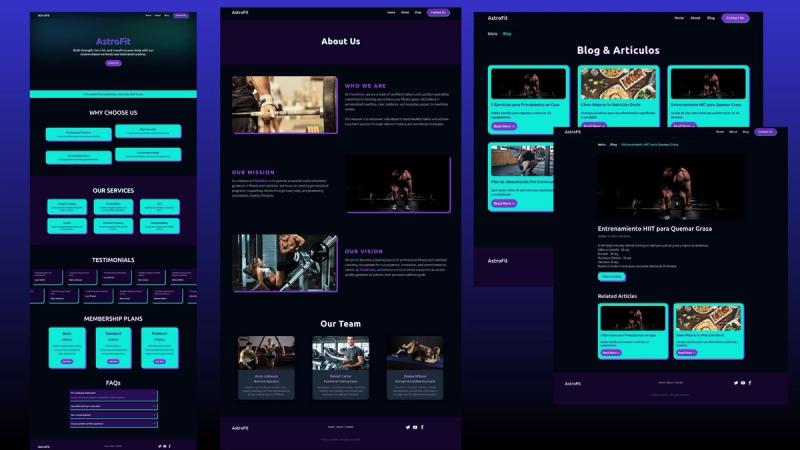
AirPower4T is a Vue3/TypeScript/Element Plus/Vite admin development base with OOP, decorators, hooks, and built-in components.
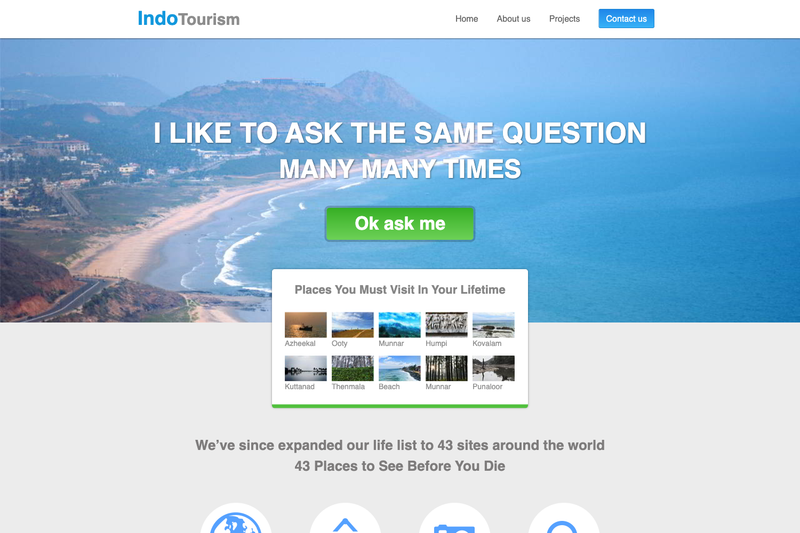
A static site starter template using Tailwind CSS and Gulp.
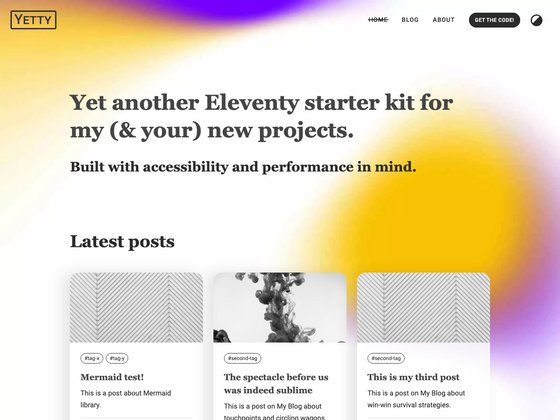
An Eleventy starter kit for fast, accessible static sites with Sass, Critical CSS, PWA, Webpack, and Netlify deploy.
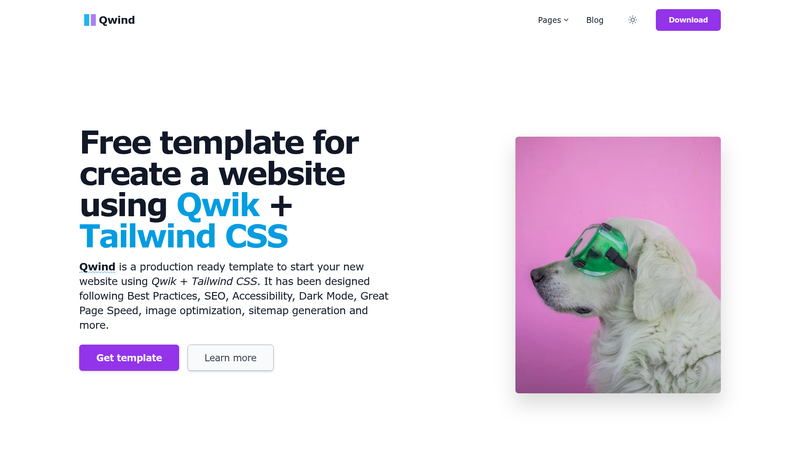
Qwind is a free, open-source website template from onWidget that combines the Qwik framework with Tailwind CSS to produce fast, static sites with a built-in markdown blog.
Qwind is a project starter that pairs Qwik with QwikCity (Qwik's routing layer) and Tailwind CSS. It takes source files — components, routes, markdown posts, and a site configuration file — and builds them into a production-ready static site in the dist folder. The template is authored by onWidget, distributed under the MIT license, and maintained by a community of contributors.
index.tsx pages, layout.tsx layouts, and index.ts endpoints, so pages are added by creating files in src/routes.src/content/blog as .md files, and the template includes blog routes and components for listing and displaying posts.src/config.mjs controls the site name, origin URL, base pathname, and trailing-slash behavior, making deployment to GitHub Pages or a custom domain straightforward.atoms, core, icons, and widgets, with ready-made widgets like Hero and Features.dist.src/content/blog and the existing routing and list pages display them without extra setup.npm run build to generate the dist folder and upload it to Netlify, Vercel, Cloudflare Pages, or any static host. The live demo at qwind.pages.dev shows the default landing page and blog in action.Getting started is a three-command flow: npm install installs dependencies, npm run dev starts a local server at 127.0.0.1:5173, and npm run build creates a production build in ./dist for deployment. The template also provides helper commands like npm run fmt for Prettier formatting, npm run lint for ESLint, and npm run qwik to access Qwik CLI features.
Qwind is free and open source under the MIT license, with no paid tiers or premium features mentioned in the README.
Yes, Qwind is completely free and open source. It is released under the MIT license, so you can use it for personal and commercial projects, modify it, and even redistribute it.
Running the build command creates a static site in the dist folder. Because it is static, the output can be hosted on any web server or CDN without needing a Node.js runtime.
Yes, Qwind includes a markdown blog. Blog posts are stored as .md files in src/content/blog, and the template provides routes and components to display them automatically.
The README offers one-click deploy buttons for Netlify and Vercel, and the generic npm run build output can be deployed to any static hosting service. The configuration file lets you set a base pathname for subfolder deployments.
Both are templates by onWidget with similar design and features, but Qwind is built on Qwik and QwikCity, while Astrowind uses Astro. Choose based on which framework you prefer for your project.