Newsletter
Join the Community
Subscribe to our newsletter for the latest news and updates

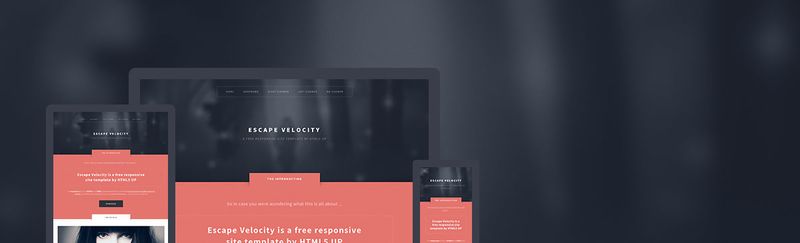
An Eleventy starter kit for fast, accessible static sites with Sass, Critical CSS, PWA, Webpack, and Netlify deploy.
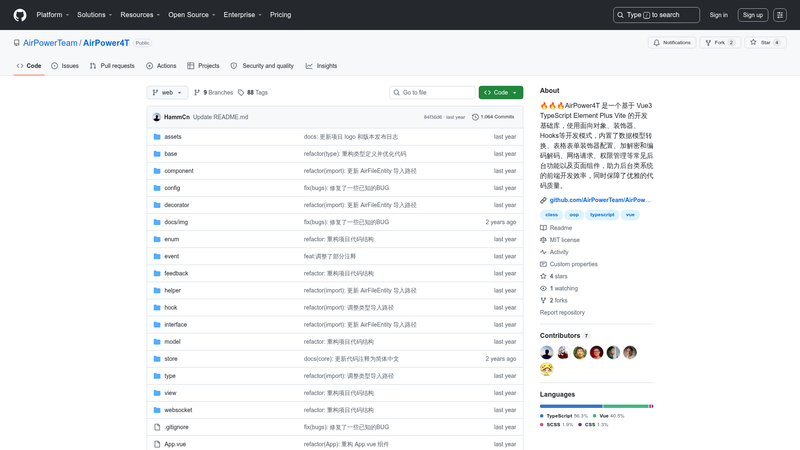
AirPower4T is a Vue3/TypeScript/Element Plus/Vite admin development base with OOP, decorators, hooks, and built-in components.
A static site starter template using Tailwind CSS and Gulp.
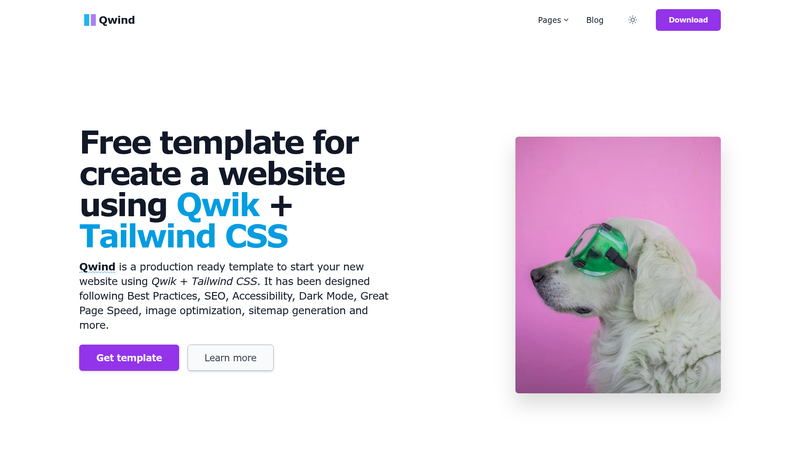
Free open-source Qwik + Tailwind CSS template for building static websites with blog support.
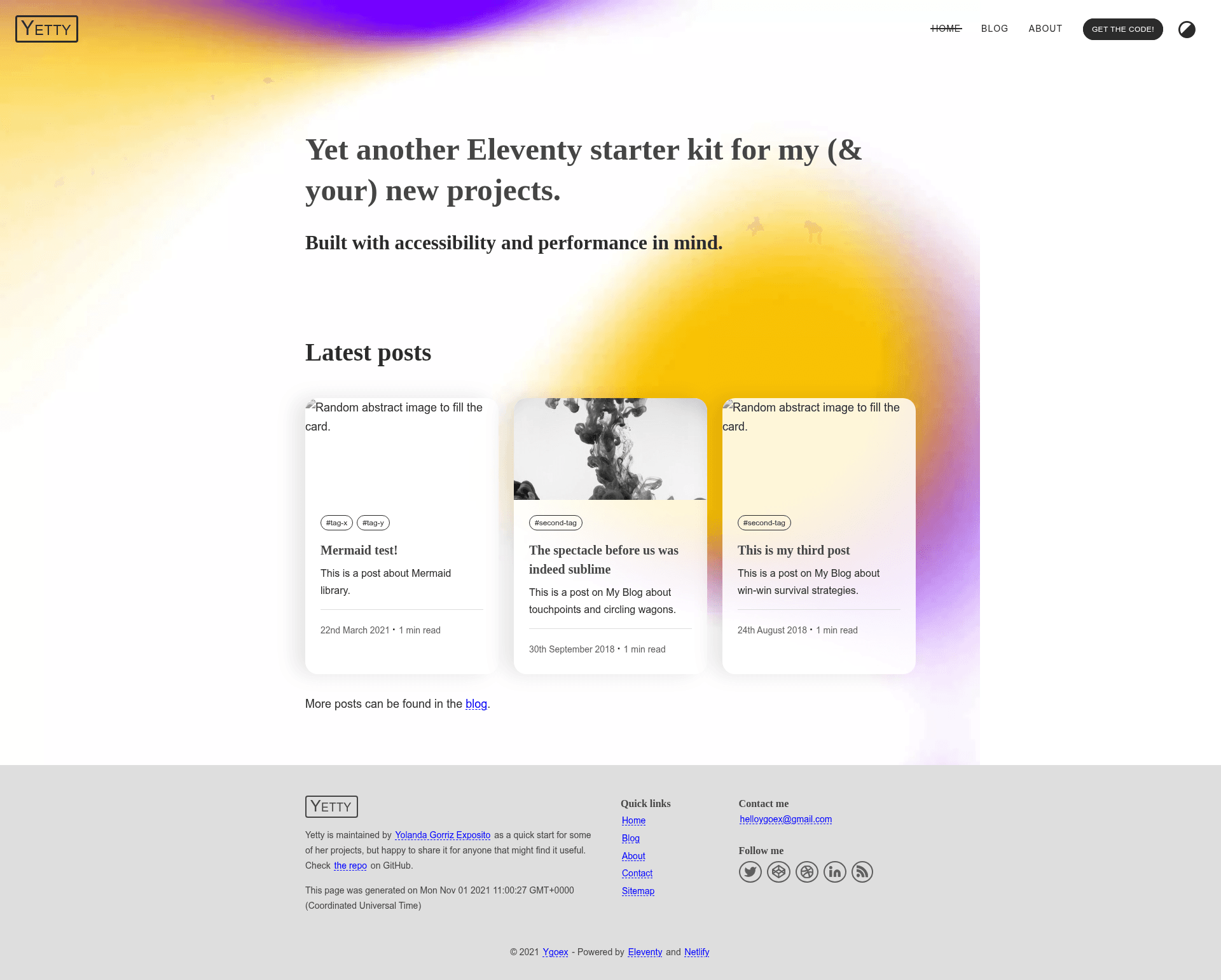
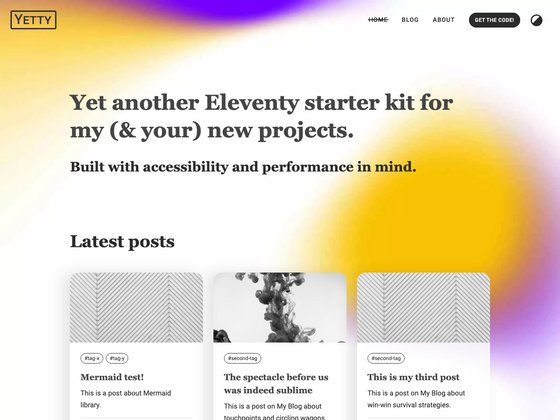
yetty is an Eleventy (11ty) starter kit that scaffolds an accessible, performance-optimized static website with an optional blog, built on eleventy-base-blog and ready to deploy to Netlify with one click.
yetty is a modern Eleventy starter kit created by GitHub user ygoex. It takes a project folder containing Nunjucks templates, Markdown content, Sass stylesheets, and JavaScript, and produces a fully static dist/ site with minified HTML, optimized images, compiled and purged CSS, and minified JS. It runs on Node.js v10 or higher and npm 7.20.0+, and is designed for JAMstack hosting, especially Netlify.
src/styles are compiled to CSS before Eleventy builds, then copied into the output folder.eleventy-critical-css plugin extracts and inlines above-the-fold styles automatically in the document head.figure, picture, and native lazy loading.yetty is aimed at front-end developers and web designers who want a preconfigured Eleventy project without wiring up build tooling themselves. It suits:
post tag to publish articles; the feed template generates RSS.To get started, clone the repository (or generate a new repo from the GitHub template), run npm install, edit _data/metadata.json with your site details, and start the dev server with npm start. A production build is generated with npm run build, which also runs Sass, PostCSS, and minification pipelines.
Yes, yetty is an open-source starter kit hosted on GitHub with no license purchase required. You can clone, use, and modify it freely for personal or commercial projects.
yetty is an Eleventy starter kit that produces a static website with a blog. It handles Sass compilation, critical CSS inlining, image resizing to WebP and JPEG, JavaScript bundling with Webpack, and PWA setup, so you can focus on content.
Node.js v10 or higher is required, along with npm 7.20.0 or later. These are the minimum versions stated in the project's requirements section.
Yes, the repository includes a Deploy to Netlify button that clones the repo and starts a site with the build command automatically set. The project is also configured to work with the Netlify API badge in the source.
Yes, it includes a persistent dark mode toggle that saves the user's choice in localStorage, as described in the linked CSS-Tricks guide. It works across sessions on the same browser.