Newsletter
Join the Community
Subscribe to our newsletter for the latest news and updates

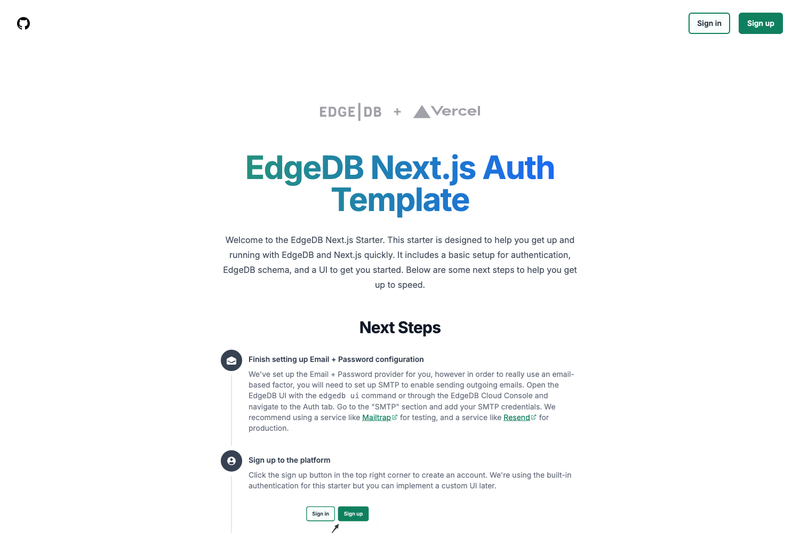
A minimal Next.js + Gel starter with authentication, schema, and UI to get you up and running quickly.
Boilerplate for a blog front end built with React.js and Next.js by OmiSoft.
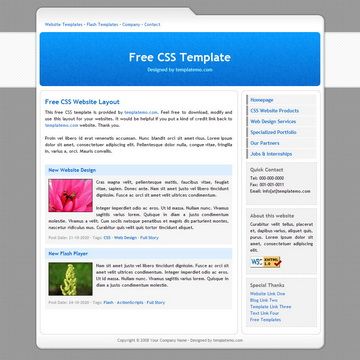
Simple blue is a professional design, free HTML template, 2 column layout design with CSS menu.
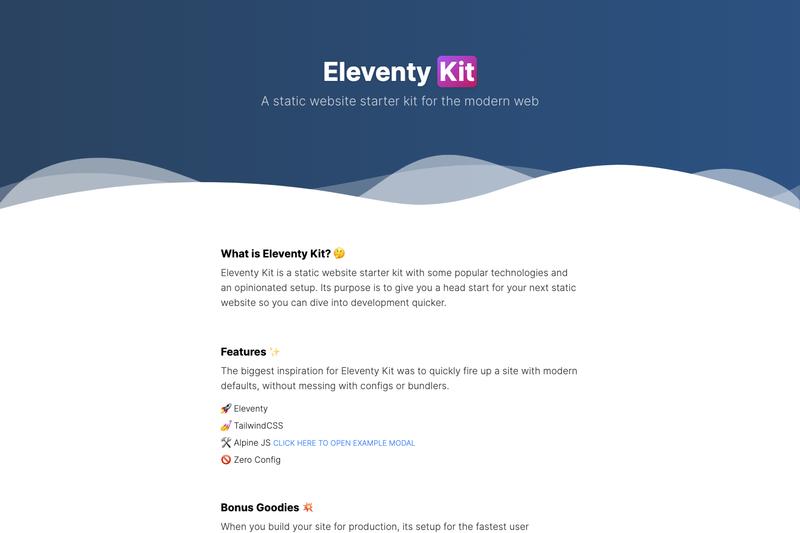
Eleventy starter kit with TailwindCSS and AlpineJS, preconfigured for minified static sites.

Next.js starter for a partner gallery with Postgres full-text search, Supabase Storage, and email notifications via Edge Functions.
The Next.js + Gel + Gel Auth template is a boilerplate starter that pairs the Next.js App Router with the Gel database and Gel Auth, giving developers a full-stack application with email/password authentication, a default schema, and a working dashboard UI out of the box. It is published by Gel (geldata.com) and can be deployed directly to Vercel using the included one-click button.
This template is a minimal starting point for building a web application with Next.js as the React framework, Gel as the database, and Gel Auth for authentication. It takes the starter code, which includes an app/ directory with pages for auth and a dashboard, Gel schema definitions in dbschema/default.gel, and utility scripts, and produces a runnable project after you run three setup commands. The project runs on Node.js via pnpm and targets Vercel for deployment, with the database expected to be hosted on Gel Cloud or locally via the Gel CLI.
app/ directory structure with layout, page, and auth route handlers, plus favicon and global CSS files.User and Item types in dbschema/default.gel, including role-based access policies so admins get full control, creators can modify their own items, and other users are read-only.auth-setup.ts and password-auth-setup.ts scripts that configure Gel Auth with email/password by default, and supports adding OAuth providers later through the Gel UI.tailwind.config.ts and postcss.config.js, with globals.css for global styles.generate:all script creates TypeScript types from the Gel schema, and a gel.ts client is provided to query the database safely.npx gel ui opens a visual interface to manage auth providers, SMTP settings, and the database.Item type and access policies.dbschema/default.gel, add fields to Item or define new types, then regenerate types and update the dashboard query in app/dashboard/page.tsx.npx gel ui to go to the Auth tab and add OAuth providers like Google or GitHub following the on-screen instructions.localhost, port 1025) and use the Mailpit tool to test the reset-password flow locally.The template requires you to init a Gel project with npx gel project init, set up Gel Auth by running pnpm auth:setup, generate types with pnpm generate:all, and then start the dev server with pnpm dev. The included scripts write the necessary configuration and extension into the Gel schema; after that, the app's sign-up, log-in, and dashboard routes work against the local Gel instance. The Gel UI (npx gel ui) lets you manage auth providers and SMTP settings without editing files.
No — the README recommends using npx gel, which auto-installs and runs the Gel CLI for you. If you prefer a manual install, the README provides a curl command for the official installer.
The template itself is free and open source via the GitHub repository. You will pay only for the hosting and database services you choose, such as Vercel and Gel Cloud.
Yes. After setup, open the Gel UI, navigate to the Auth tab, and use the “Add Provider” button to add an OAuth provider. The template leaves provider configuration to the Gel UI.
The schema includes an access policy that prevents non-creators from deleting items. The README suggests you can conditionally render the delete button based on user permissions as a next step, but the template itself demonstrates the database-level rule.