Newsletter
Join the Community
Subscribe to our newsletter for the latest news and updates

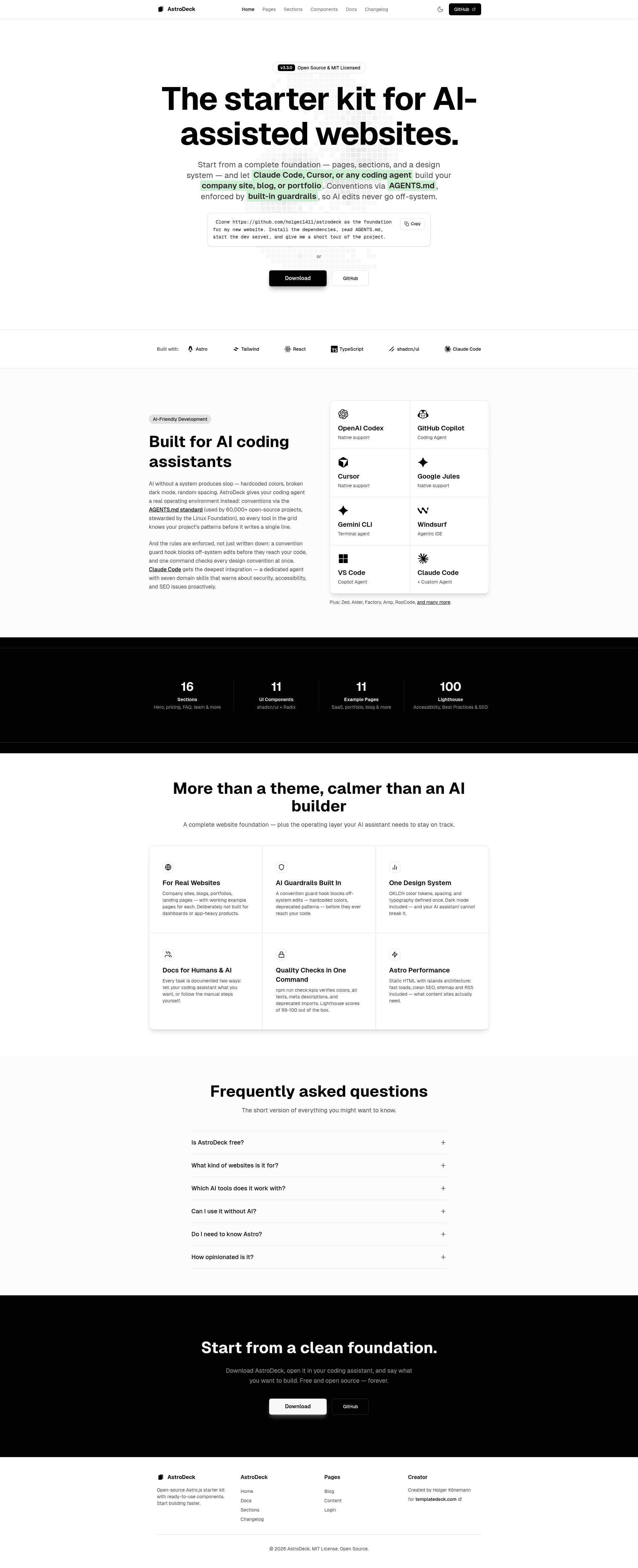
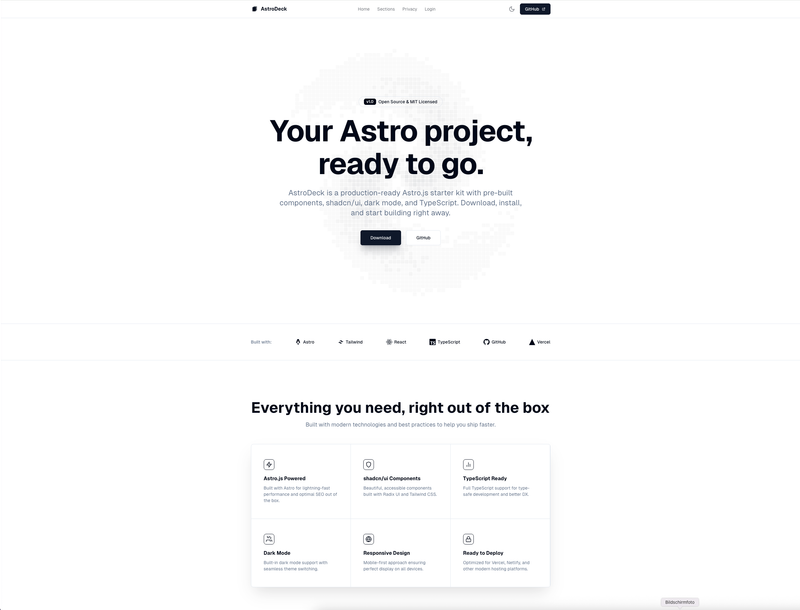
Open-source Astro.js starter kit with 11 UI components, 16 sections, and 11 pages; AI-friendly with AGENTS.md, shadcn/ui, Tailwind v4, and dark mode.
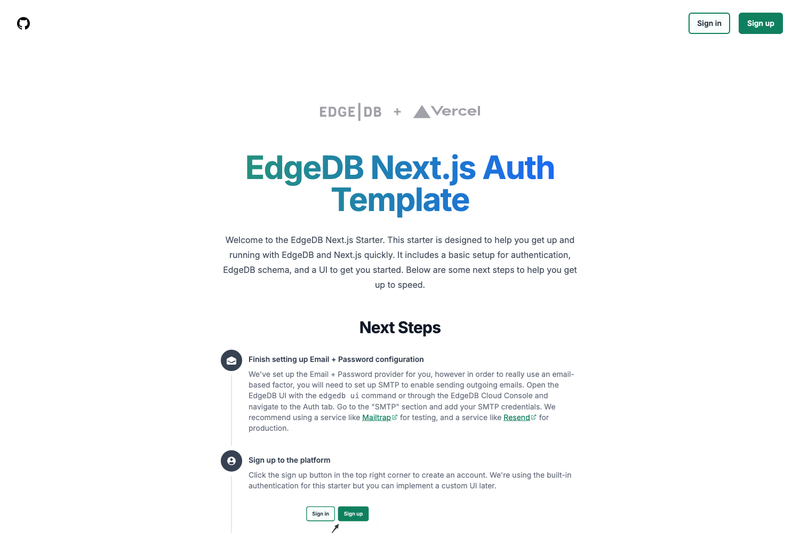
A minimal Next.js + Gel starter with authentication, schema, and UI to get you up and running quickly.
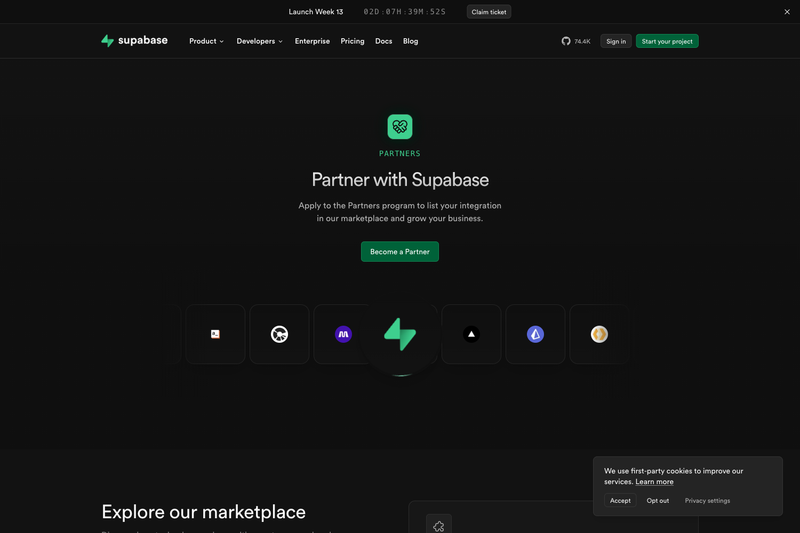
Next.js starter for a partner gallery with Postgres full-text search, Supabase Storage, and email notifications via Edge Functions.
See how Vercel's Skew Protection feature enables production-ready blue-green deployments with just a few lines of code.
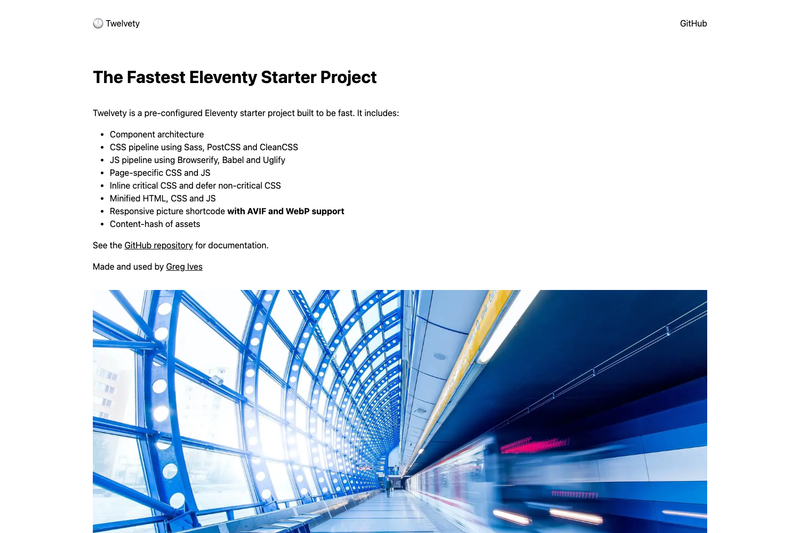
An Eleventy starter project built to be fast
AstroDeck is an open-source, AI-friendly starter kit and component library for building Astro.js websites, organized as a three-tier architecture of components, sections, and pages.
AstroDeck is a free, MIT-licensed starter kit that provides 11 UI components, 16 page sections, and 11 complete page templates for Astro.js projects. It runs on Astro 6.x with Tailwind CSS v4, includes shadcn/ui React components built on Radix UI, and is distributed through TemplateDeck and GitHub. The project is designed to work with AI coding assistants through AGENTS.md, a Claude Code agent, and deterministic guardrails.
src/components/ui/), 16 sections (src/components/sections/), and 11 pages (src/pages/).src/styles/globals.css using the OKLCH color format for better perceptual uniformity.npm run check:kpis) that validates convention compliance.dist/, with instructions for Vercel, Netlify, Cloudflare Pages, and GitHub Pages./templates/saas page along with Pricing, Features, and Testimonials sections to assemble a conversion-focused page./new-page and /new-section to create pages while the agent enforces layout, SEO, and styling patterns.AstroDeck is installed with npx degit holger1411/astrodeck my-project, then initialized with npm install and npm run dev. It relies on Astro's file-based routing: each .astro file in src/pages/ becomes a route, and sections are imported into pages with frontmatter props. The development server runs at http://localhost:4321 with hot module replacement.
AstroDeck is free and open source under the MIT license. It can be used commercially, modified, distributed, and used privately without attribution, and is available for free download on TemplateDeck.
Yes. AstroDeck is MIT-licensed, so it is free to use commercially, modify, distribute, and use privately. You can download it for free on TemplateDeck or clone it from GitHub.
AstroDeck requires Node.js version 22.0.0 or higher. It uses the latest versions of Astro and Tailwind CSS, so you should run npm install to fetch current versions.
Yes. It includes a built-in theme toggle with persistent preferences. Light and dark mode colors are defined as CSS variables in src/styles/globals.css, and the design system uses the OKLCH color format.
AstroDeck follows the AGENTS.md standard and includes files for Claude Code, Cursor, GitHub Copilot, Windsurf, OpenAI Codex, and others. Claude Code gets the full feature set with agents, slash commands, skills, and hooks.