
Template details
Nextjs Mui Starter
Starter for Nextjs app with MUI
About this template
Nextjs Mui Starter is a boilerplate template that pairs Next.js with Material UI (MUI), giving React developers a pre-configured starting point for applications with server-side rendering and API routes.
What is Nextjs Mui Starter?
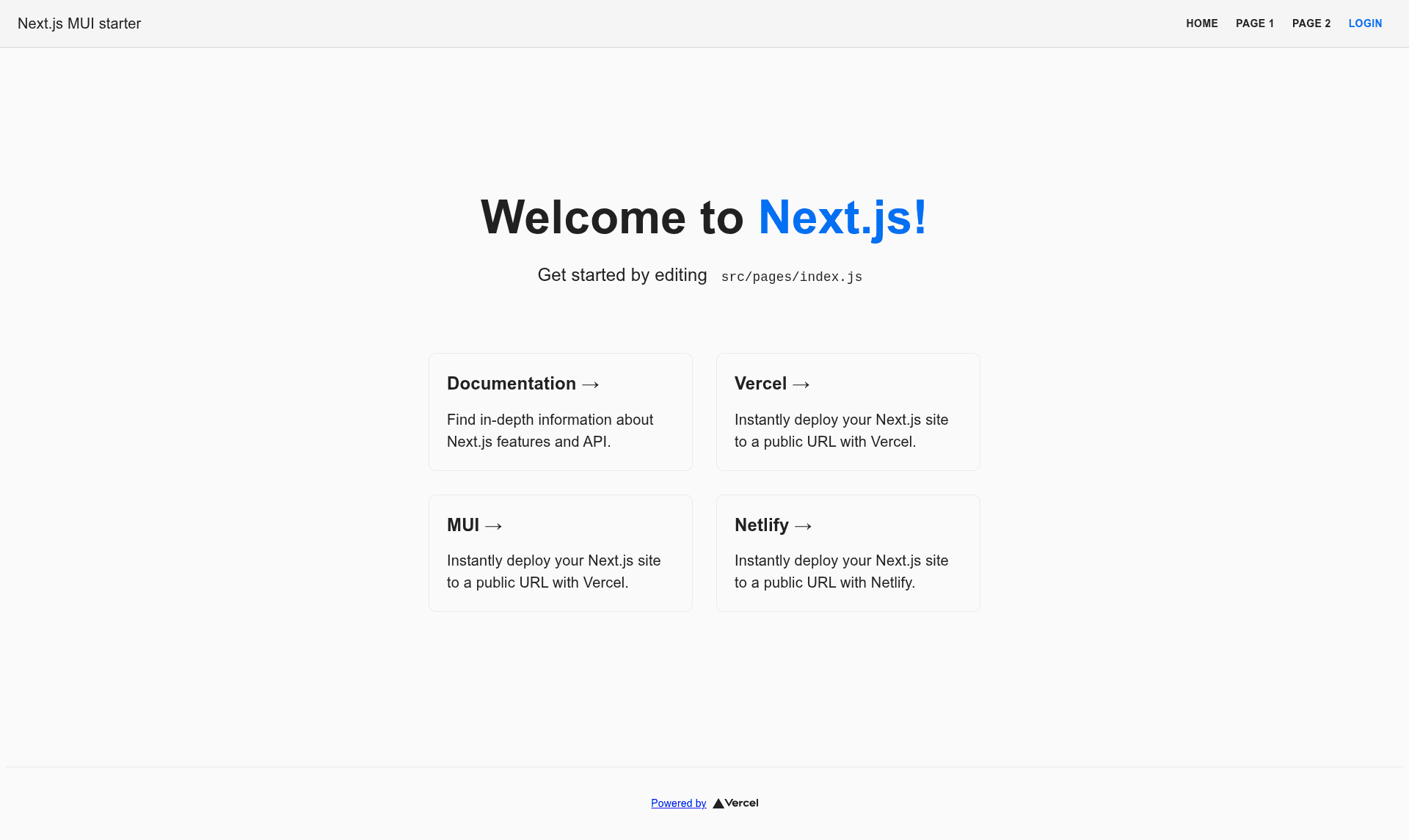
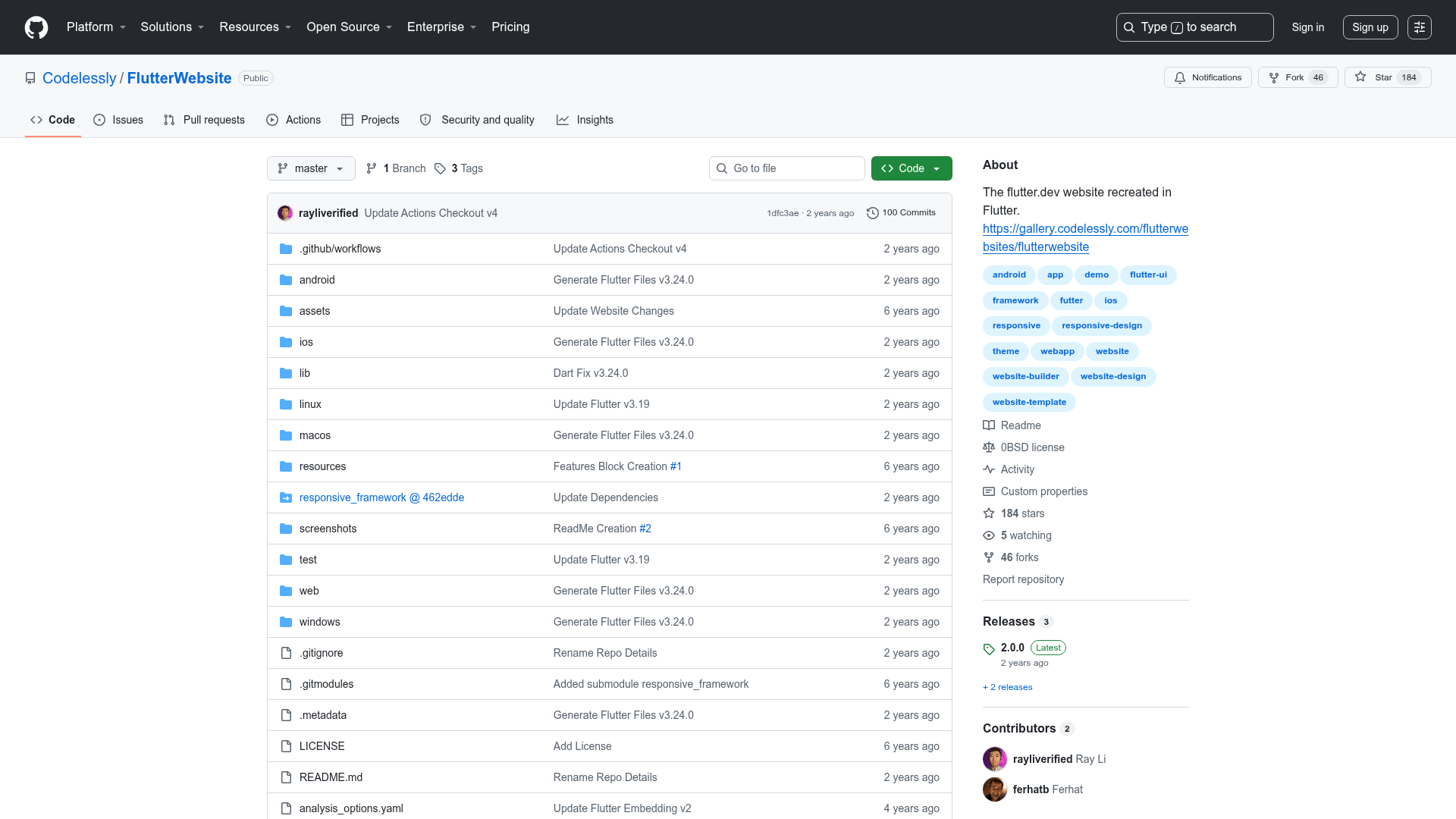
Nextjs Mui Starter is a GitHub repository (1 star) that provides a Next.js application scaffolded with create-next-app and customized with Material UI (MUI) as the styling system. It runs on Node.js via npm or yarn scripts and is ready to deploy on Vercel or Netlify. The template includes example pages and an API route to demonstrate the structure.
Key Features
- Next.js framework — Built on Next.js with pages under
pages/index.jsand API routes underpages/api/hello.js, supporting both React pages and serverless endpoints. - Material UI styling — MUI components and the
makeStyleshook are configured for server-side rendering, requiring class names that start with 'Mui' (for example, the code uses anameoption when callingmakeStyles) to keep client and server styles consistent. - Development workflow — Start the app in development with
npm run devoryarn dev, then view it at http://localhost:3000 with hot reload. - API routes — The
pages/apidirectory is mapped to/api/*, letting you build backend endpoints in the same project, demonstrated by the/api/helloexample. - Deployment targets — Designed for one-command deployment on Vercel, the platform from Next.js creators, with a Netlify deploy status badge included in the README.
Who is it for?
- React developers — who want a minimal Next.js setup with Material UI already integrated, avoiding manual configuration of MUI with SSR.
- Learners — who need a small, readable codebase showing how to combine Next.js pages, API routes, and MUI theming.
- Startup teams — who want to scaffold an MVP quickly and deploy to Vercel or Netlify without setting up tooling from scratch.
What can you do with it?
- Build a styled React app — Use the pre-configured MUI components and JSS server-side rendering to create pages that look consistent across client and server.
- Add API endpoints — Extend the example in
pages/api/hello.jsto handle form submissions, fetch data, or proxy requests. - Deploy to production — Push the repository to Vercel or Netlify and get a live URL, since the template is structured for zero-config deployment.
How does it work?
The template follows the standard Next.js workflow: run npm run dev or yarn dev to start the dev server at localhost:3000, edit pages/index.js to change the visible page, and place new files in pages/api to expose additional endpoints. For MUI server-side rendering, style hooks must define a name property starting with 'Mui' to keep class names identical on both sides.