Newsletter
Join the Community
Subscribe to our newsletter for the latest news and updates

A starter project for Next.js with authentication via Passport, Bootstrap 4, and deployment examples.
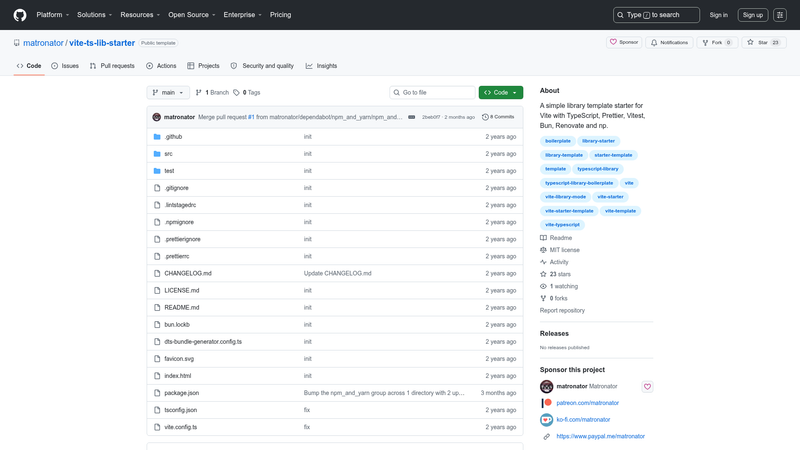
A simple library template starter for Vite with TypeScript, Prettier, Vitest, Bun, Renovate and np.
一套基于 React 19、TypeScript 和 Vite 的现代化前端项目模板,开箱即用,集成了路由、状态管理、请求封装与代码规范。
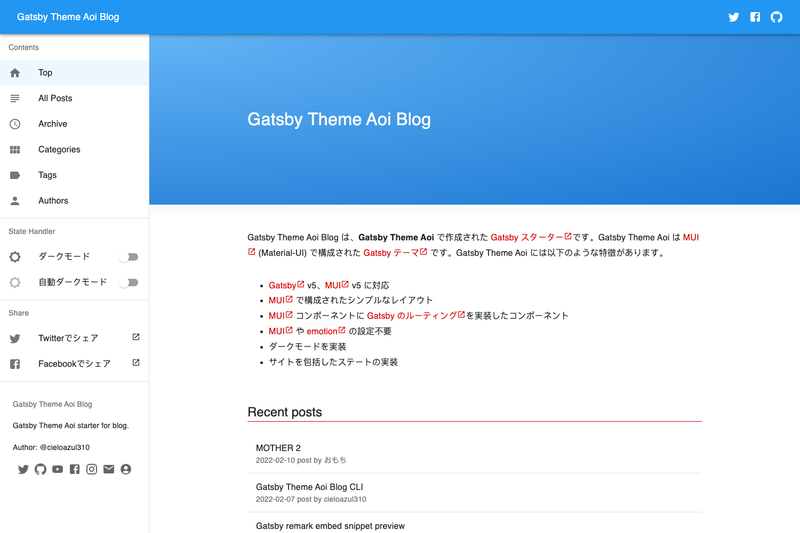
TypeScript-based Gatsby theme for MUI with responsive layout, dark mode, and global state.
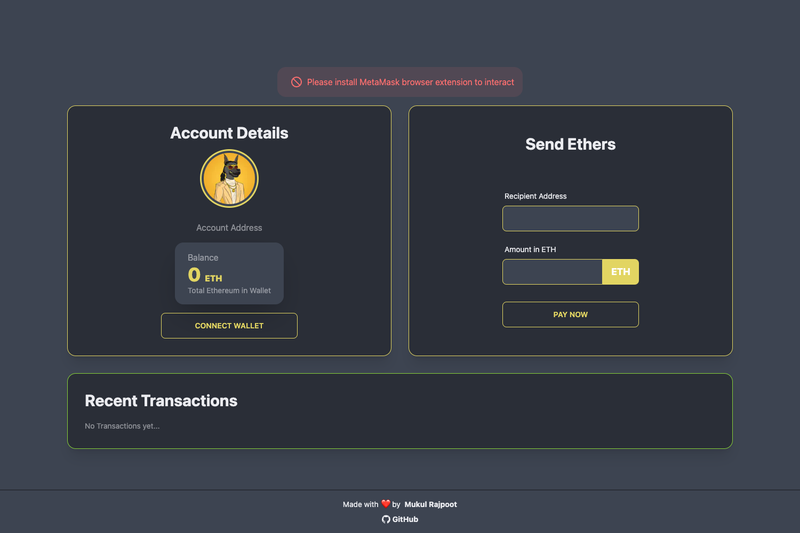
A basic dapp for transferring ether between accounts, built with Next.js and Tailwind CSS.
Next.js Starter is a boilerplate project that combines Next.js, Express, and Passport JS to produce a React application with authentication, account management, and Bootstrap 4 styling out of the box. This archived repository, created by Iain Collins, targets developers who want to skip the setup of universal React apps and begin with a working example that covers both client and server rendered pages.
The Next.js Starter project is a starter kit for React built on the Next.js framework, which renders pages on both client and server without manual webpack or babel configuration. It takes a fresh Next.js app and adds an Express server with Passport JS middleware for authentication via Email, Facebook, Twitter, and Google+, plus session handling with HTTP-only cookies and CSRF tokens. The project produces a deployable Node.js application with a live demo hosted at https://nextjs-starter.now.sh and is archived and no longer maintained as of the notice on the repository.
To run locally, clone the repository, run npm install (using --no-optional on Windows to skip fsevents), and then npm run dev. For production, run npm run build followed by npm start; an environment variable such as PORT=3000 can override the default port. Deployment to now.sh is done with the now command, optionally passing -E to include environment variables from a .env file.
The project itself points to two maintained resources: the official Next.js examples repository at https://github.com/vercel/next.js and NextAuth.js at https://next-auth.js.org, which offers an example project with a live demo at http://next-auth-example.now.sh.
Yes, the repository is open source on GitHub under the nextjs-starter name and can be cloned, copied, and used as the base for your own projects.
It supports email login plus oAuth via Facebook, Twitter, and Google+. Setup steps for each provider are documented in AUTHENTICATION.md, with Twitter listed as the quickest to get working.
No, the repository is archived and no longer maintained. The maintainer recommends using the official Next.js examples and NextAuth.js for up-to-date patterns, because features like CSS support and API routes are now built into Next.js itself.