Newsletter
Join the Community
Subscribe to our newsletter for the latest news and updates

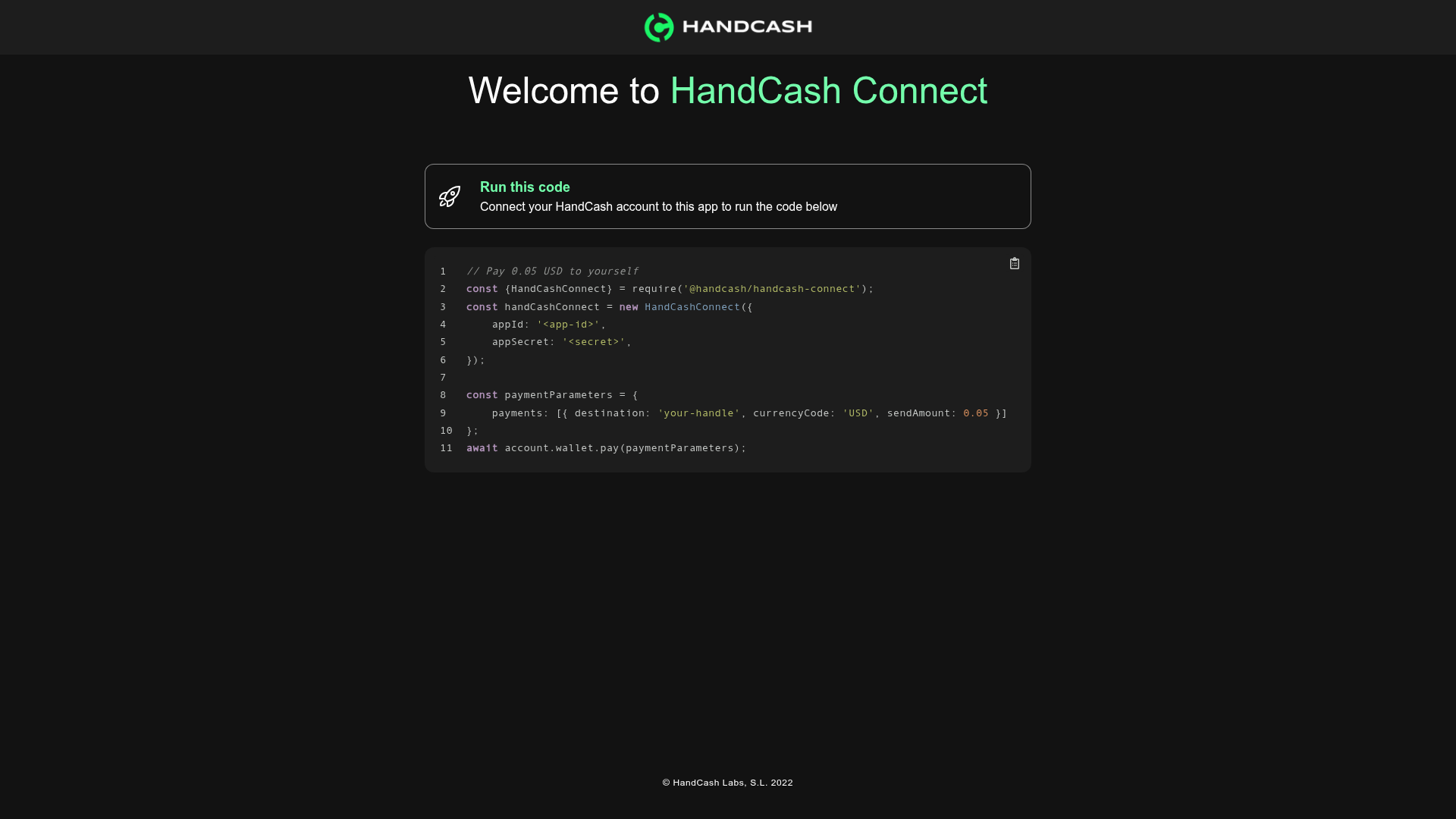
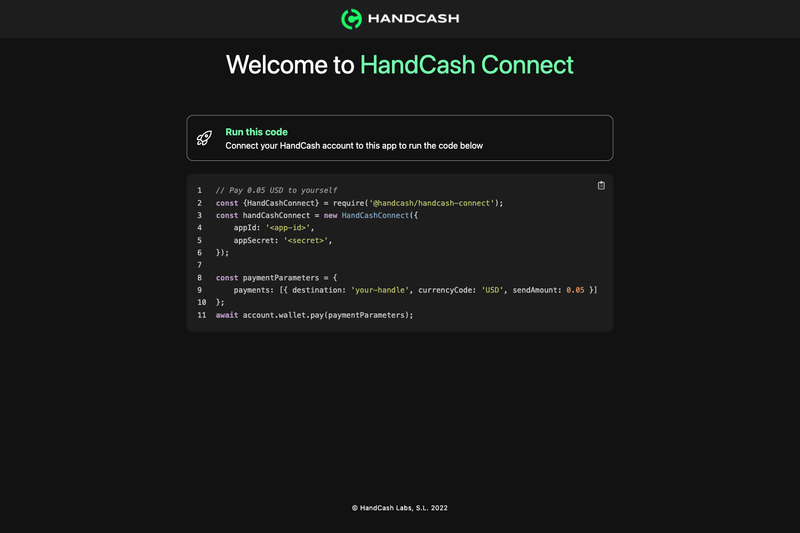
A Next.js starter template for integrating HandCash Connect authentication and Bitcoin Cash payments.
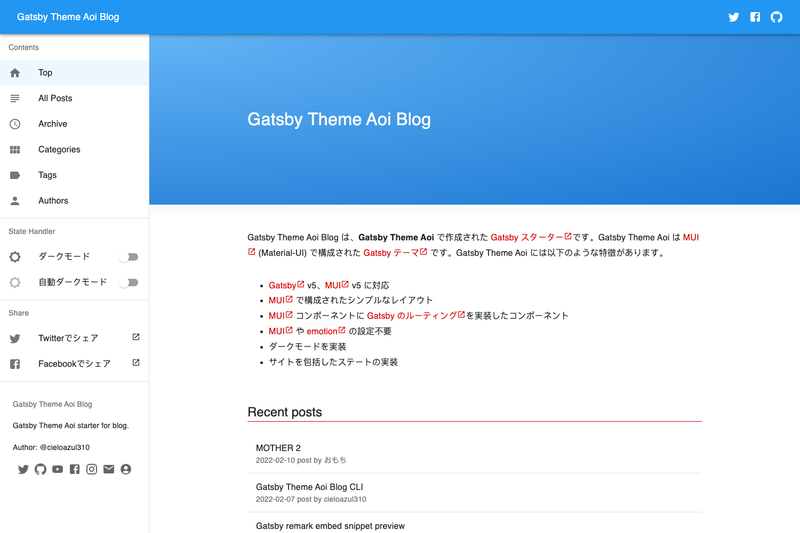
TypeScript-based Gatsby theme for MUI with responsive layout, dark mode, and global state.
A starter project for Next.js with authentication via Passport, Bootstrap 4, and deployment examples.
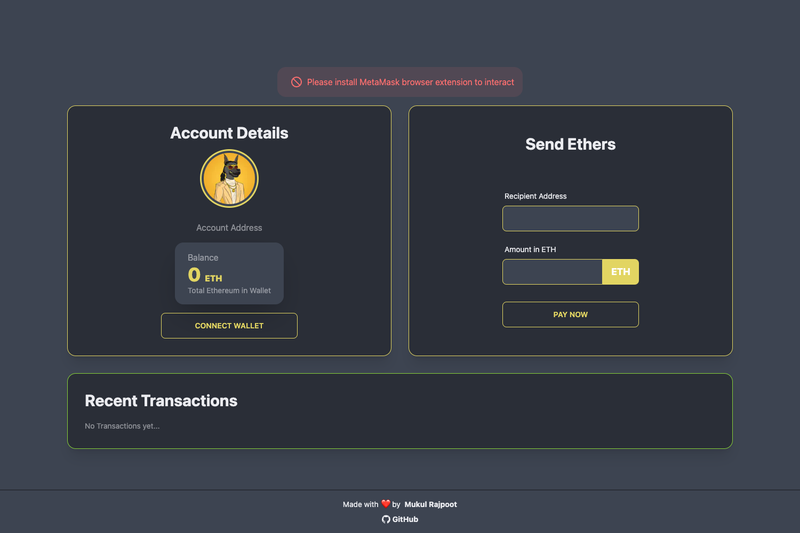
A basic dapp for transferring ether between accounts, built with Next.js and Tailwind CSS.
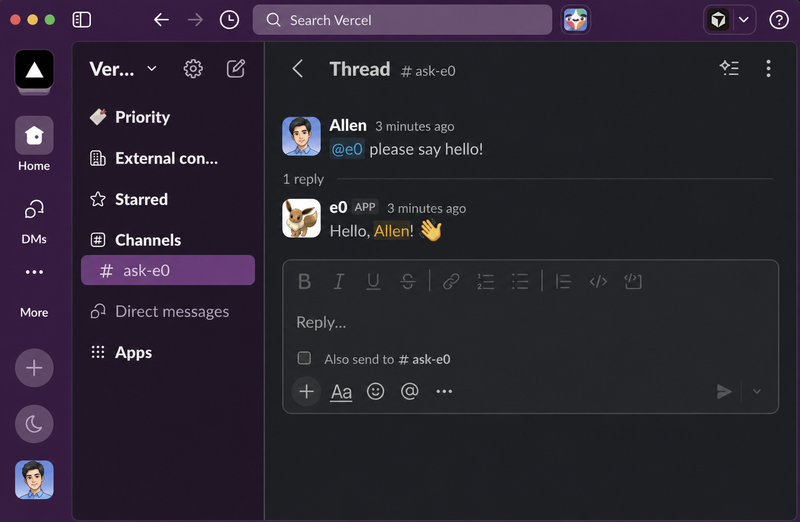
A starter template for building Slack agents with the Eve framework, featuring webhook handling, Vercel Connect, and a deployable agent.
Handcash Connect Nextjs Example is a Next.js boilerplate that demonstrates how to integrate HandCash Connect for Bitcoin Cash payments and user authentication.
This template is a complete Next.js application that implements the HandCash Connect authentication flow: it redirects a user to HandCash, receives an authentication token back via a success URL, stores that token securely on the server, and issues a JWT-based session token for the client. It takes HandCash app credentials as input (app ID and app secret) and produces a working web app with authenticated payment requests. The stack is Next.js with API routes, React, and Tailwind CSS, and it is ready to deploy to Vercel. A live demo is available at the Vercel-hosted URL linked in the README.
@handcash/handcash-connect package to generate redirection URLs, fetch user profiles, and send payments through the wallet.pay method.AuthTokenRepository keeps HandCash authToken values in memory, while SessionTokenRepository creates and verifies JWT session tokens, so the raw auth token is never exposed to the browser./api/auth/handcash/success captures the authToken from the query string, builds a session payload with the user's handle and display name, and redirects home with a sessionToken parameter./api/pay validates a Bearer session token, looks up the stored authToken, and executes a payment to the user's own HandCash handle for a fixed amount (0.05 USD in the demo).text-brandLight..env.local (handcash_app_id, handcash_app_secret, jwt_secret) with a clear placeholder for replacement.pay method accepts destination, amount, and currencyCode, so you can change the demo's fixed 0.05 USD to any value and currency supported by HandCash.The authentication flow is a four-step redirect cycle: (1) the user is redirected from your app to HandCash; (2) HandCash redirects back with an authToken query parameter; (3) the /api/auth/handcash/success endpoint stores the authToken and generates a JWT sessionToken; (4) the user lands on the home page with that session token. Payments follow a separate server-side path: the client sends the session token as a Bearer header to /api/pay, which verifies it, retrieves the stored authToken, and calls the HandCash SDK to execute the payment.
Create an app at dashboard.handcash.io, then copy your app ID and app secret into .env.local along with a jwt_secret value. The README marks all three as "replace-me" placeholders and notes you should change the JWT secret before production.
No. The README explicitly states that AuthTokenRepository keeps handCash authTokens in memory and calls it "good enough for this demo." For production, you would need to replace it with a persistent and secure store.
The /api/pay route validates the Bearer session token, checks that an authToken exists for the session, and then calls the HandCash wallet's pay method with the destination set to the user's own handle, an amount of 0.05, and currency code USD. It returns a transaction ID on success.