Newsletter
Join the Community
Subscribe to our newsletter for the latest news and updates

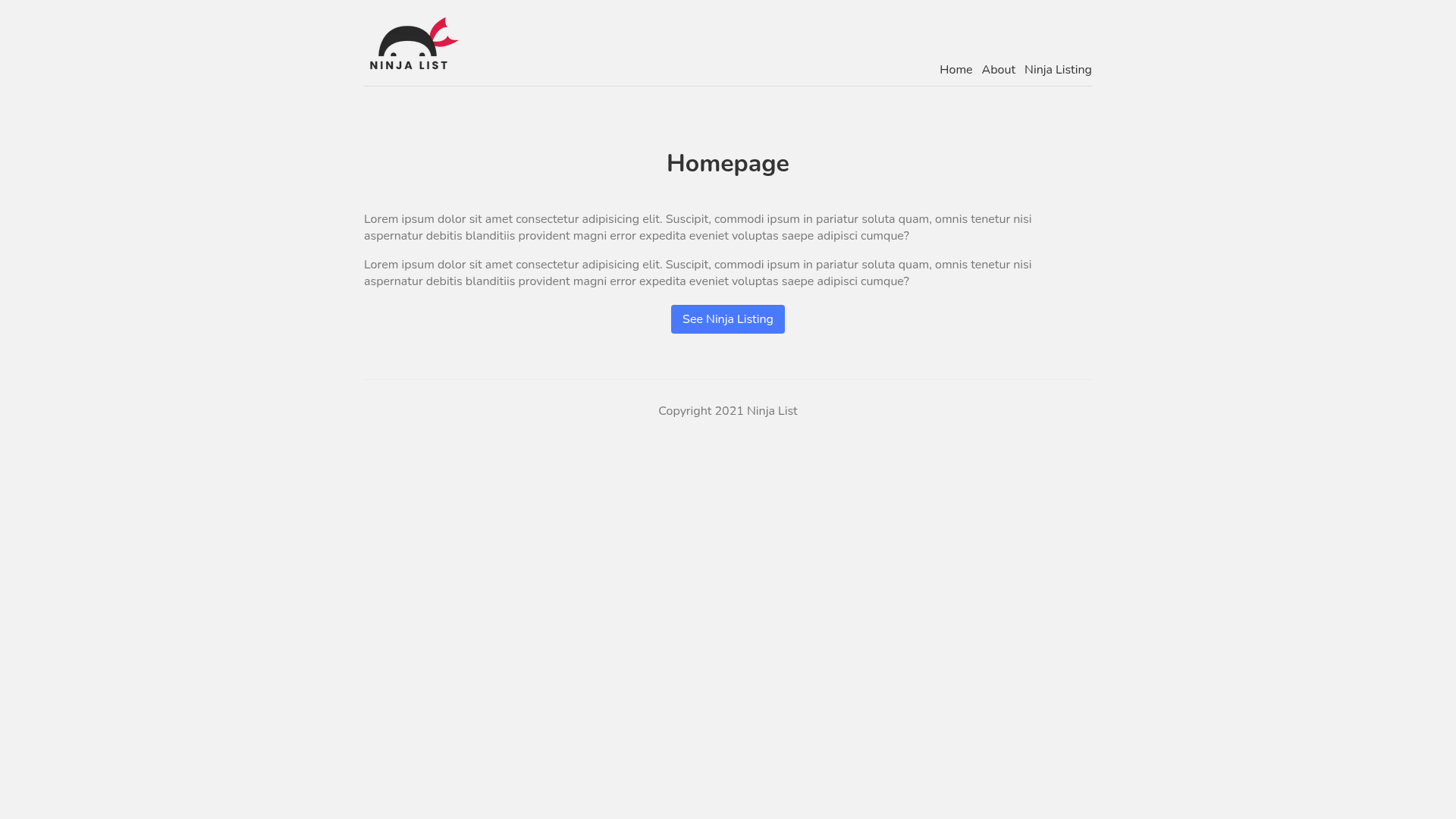
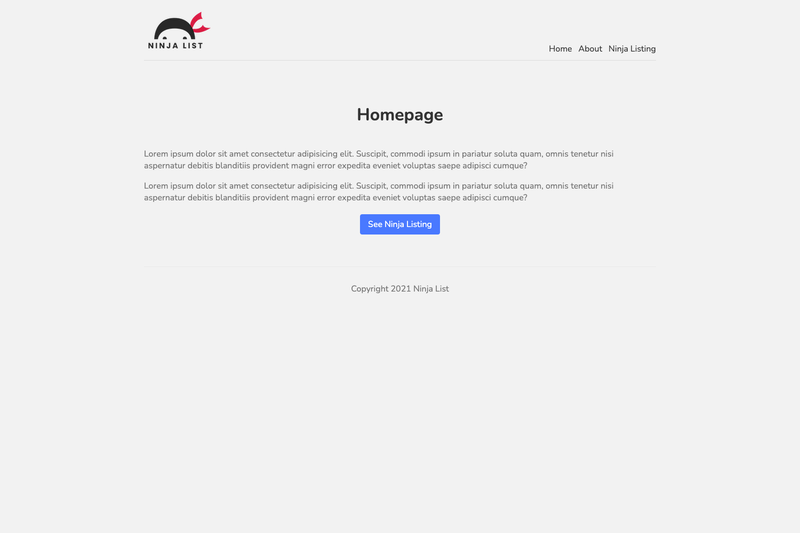
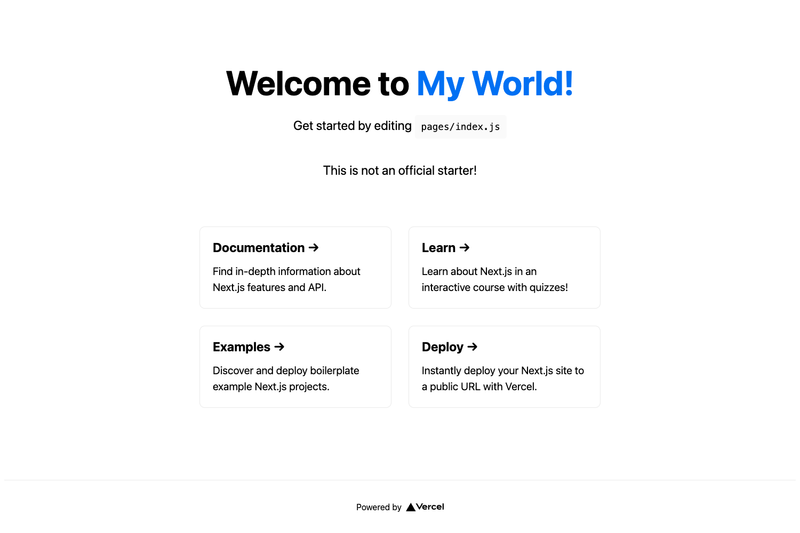
This is a nextJs Tutorial, with a simple nextjs website created, explains all basic nextjs functionalities to get started using nextjs
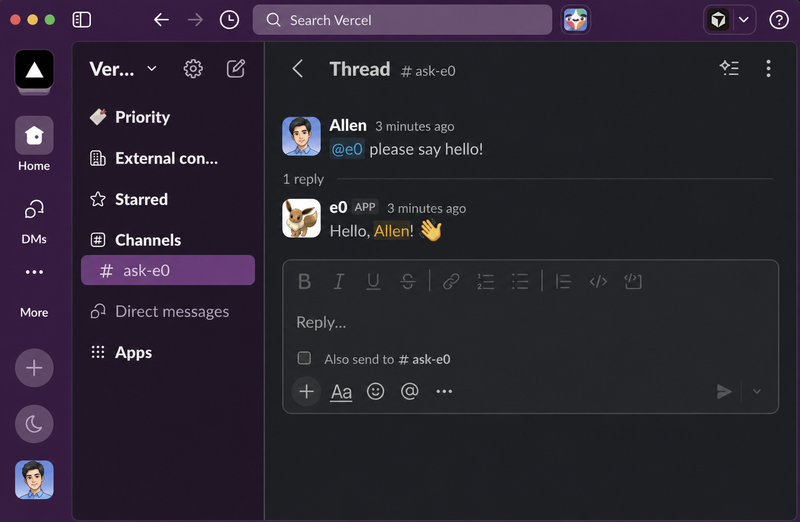
A starter template for building Slack agents with the Eve framework, featuring webhook handling, Vercel Connect, and a deployable agent.
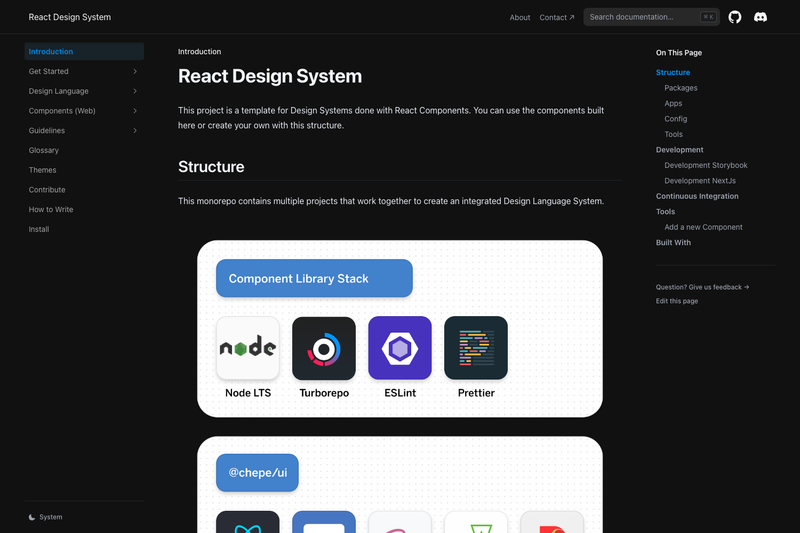
Starting point for a Typescript, React (v16.8.0+), Yarn & Lerna monorepo project with full setup for ESLint and Prettier.

TypeScript starter for Nuxt 2 with Options, Class, and Composition API support.
A TypeScript starter for Next.js with ESLint, Prettier, Husky, Commitizen, and more.
NextJs Tutorial is a minimal Next.js starter project bootstrapped with create-next-app, designed to teach the basic functionalities of the Next.js framework through a simple working website.
NextJs Tutorial is a starter repository created with create-next-app, the official scaffold for Next.js projects. It takes a basic Next.js project structure and produces a runnable website with one page and one API route, running on Node.js via npm or yarn. The project is available on GitHub and serves as a hands-on introduction to Next.js concepts such as file-based routing, API routes, and hot reloading.
npm run dev or yarn dev to start a local server at http://localhost:3000 with automatic page reloads.pages/index.js to change the homepage content, and the browser updates instantly./api/hello endpoint in pages/api/hello.js demonstrates serverless functions.pages/api directory are automatically treated as API routes under /api/*.NextJs Tutorial is for developers who are new to Next.js and want a minimal, working codebase to experiment with. It suits frontend developers who need a bare-bones starting point for learning routing and API routes, as well as educators who want a simple example to demonstrate in classes or workshops. Hobbyists can also use it to quickly spin up a small site with a backend API endpoint.
pages/index.js, and observe hot reload behavior to understand how Next.js renders pages.pages/api directory maps to API endpoints./api/hello endpoint.To work with the project, install dependencies with npm install or yarn, then start the development server using npm run dev or yarn dev. Open http://localhost:3000 to view the site; edits to pages/index.js appear automatically. API routes are editable in pages/api/hello.js and are accessible at /api/hello. For production, the README recommends deploying through the Vercel Platform.
Run npm run dev or yarn dev in the project root, then open http://localhost:3000 in your browser. The page will auto-reload when you edit files.
pages/api directory used for?Files in pages/api are treated as API routes instead of React pages. This means each file maps to a serverless endpoint under /api/* , such as /api/hello from pages/api/hello.js.
Open pages/index.js in an editor and make changes. The development server updates the page automatically, so you can see your edits immediately in the browser.
The README recommends using the Vercel Platform for the easiest deployment. You can also follow the official Next.js deployment documentation linked in the project's README.