Newsletter
Join the Community
Subscribe to our newsletter for the latest news and updates

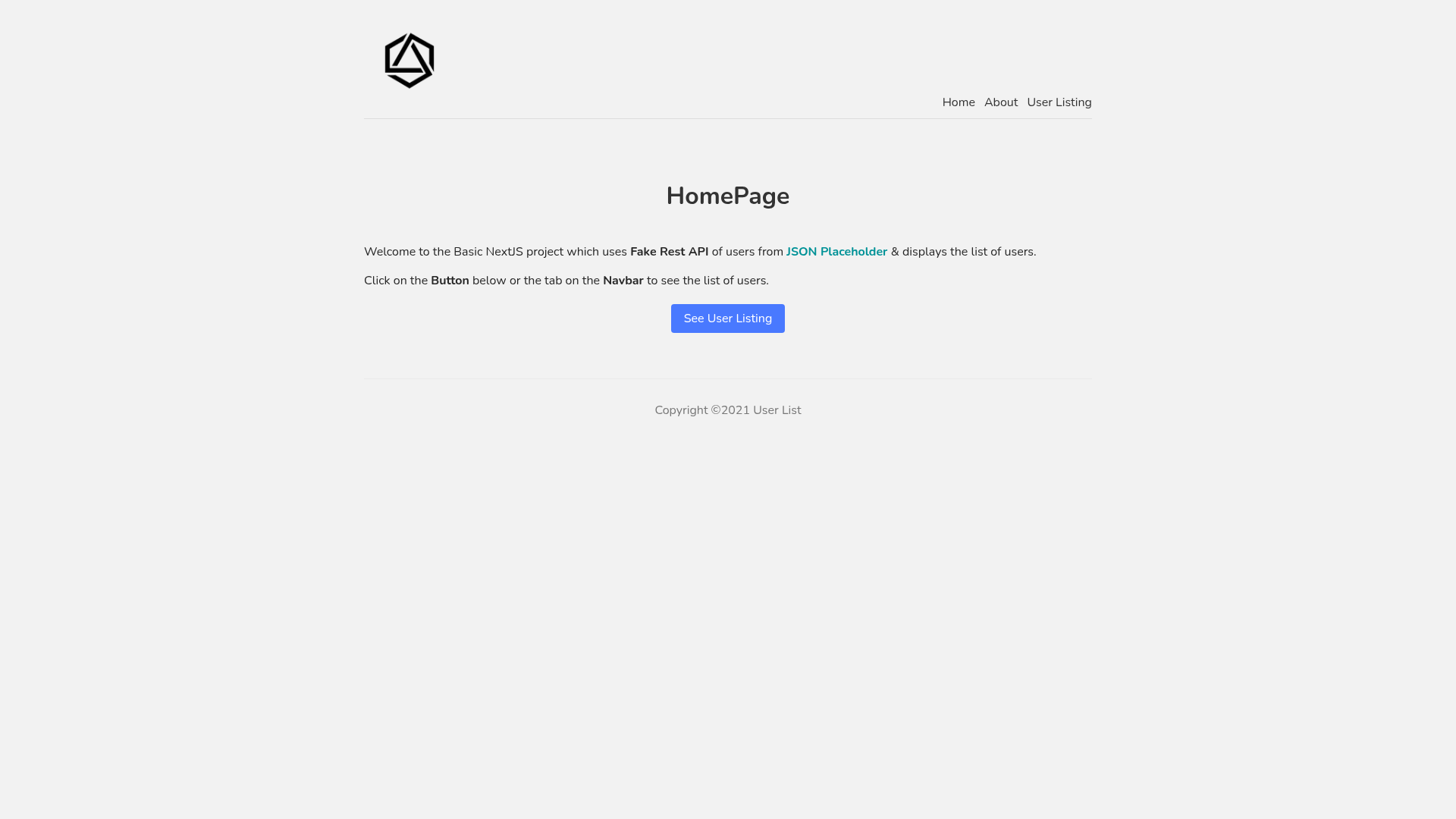
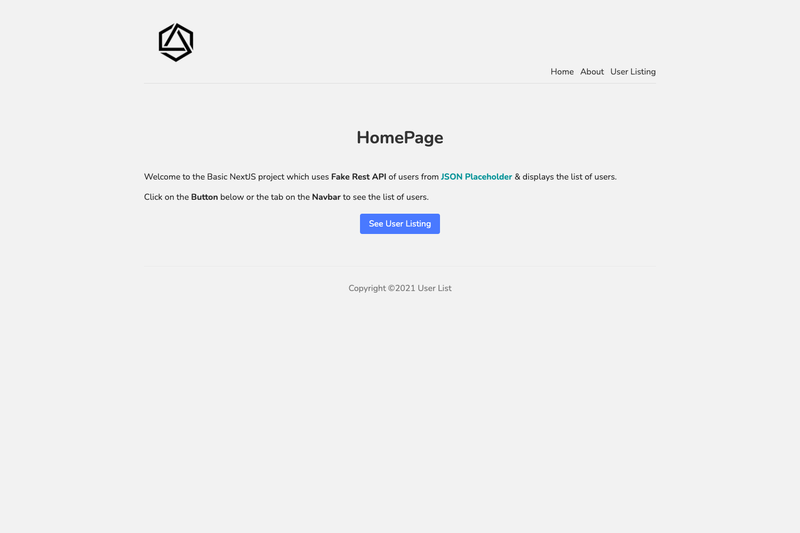
Displays list of users made using Next.js
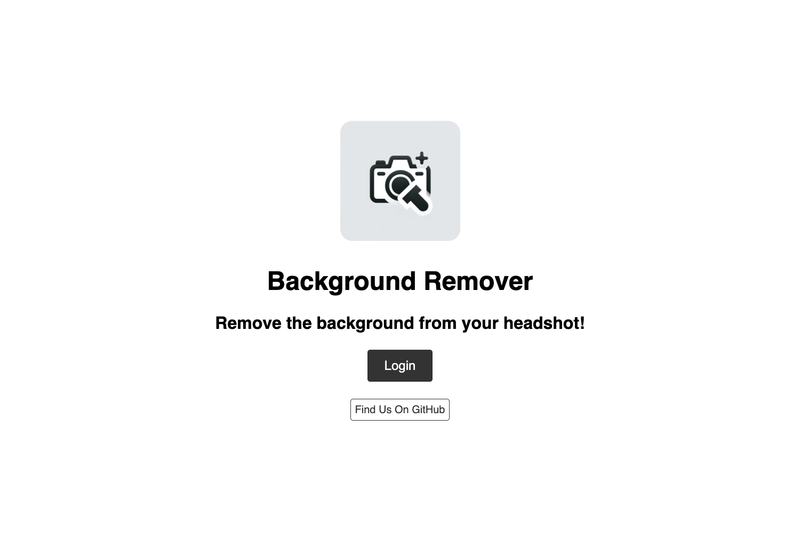
SvelteKit boilerplate using Appwrite and Azure AI to remove image backgrounds, with auth and image history.
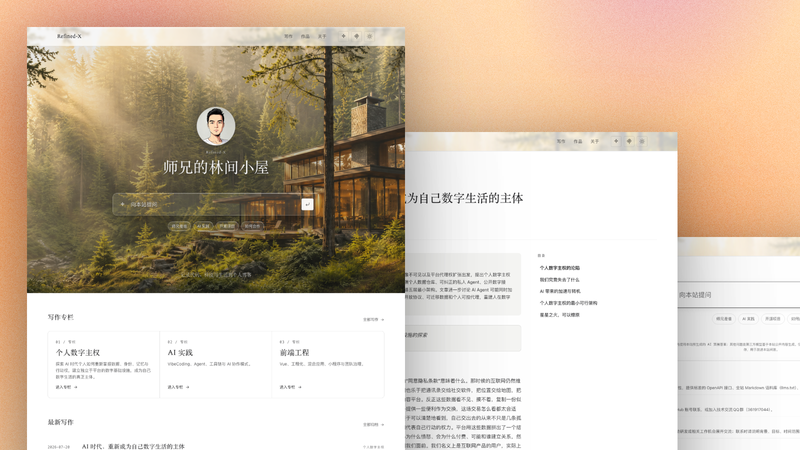
Astro and Starlight personal publishing starter that exports one Markdown/YAML corpus as a website, llms.txt, JSON APIs, and optional MCP endpoints.
React SPA template without Create React App, preconfigured with Webpack, Babel, ESLint, Sass, PostCSS, and emotion.
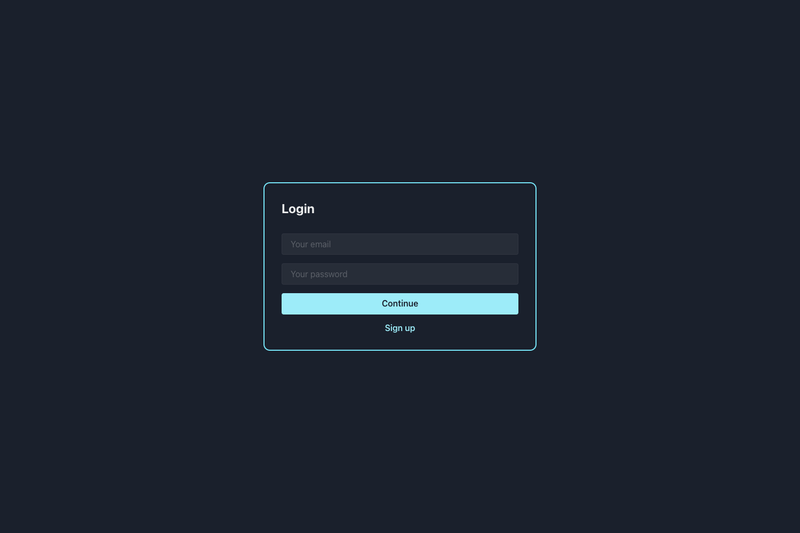
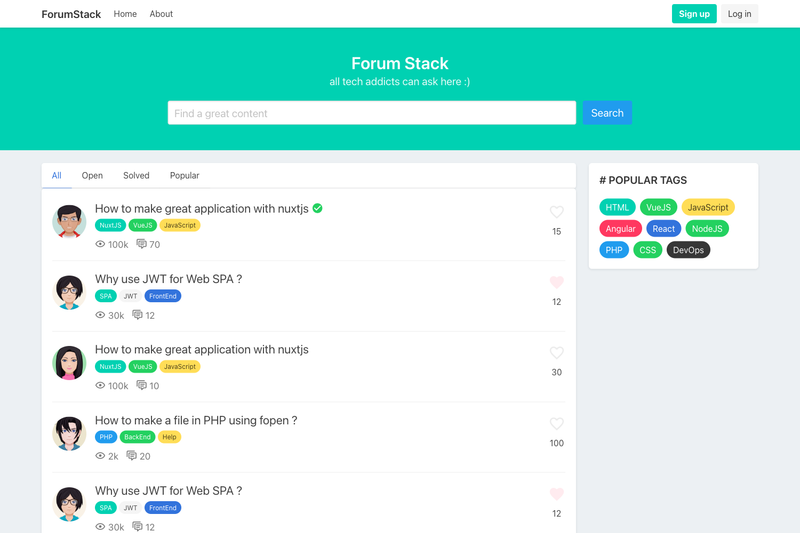
Next.js boilerplate using Firebase Realtime Database, Firestore and Firebase Auth, styled with Chakra UI.
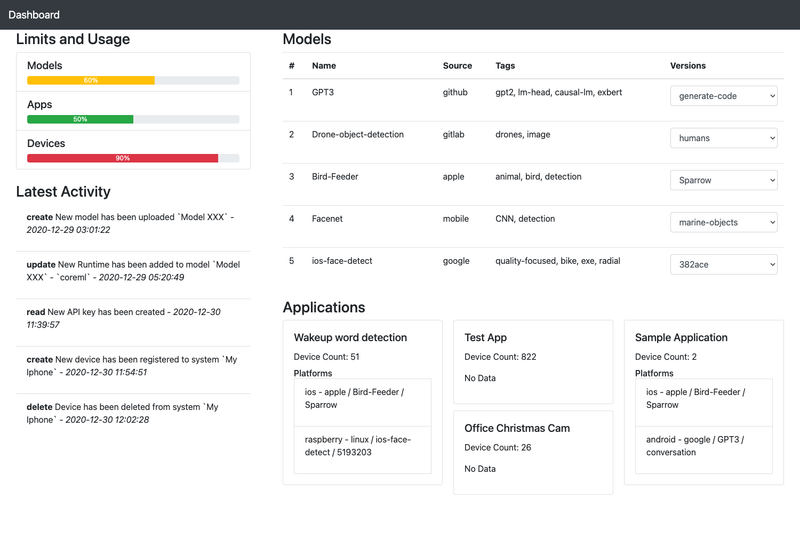
Sample dashboard web application using static json data. Built with Next.js.
Nextjs Userslist is a Next.js boilerplate template that renders a list of users, built on the standard create-next-app project structure. It comes with a hot-reload development server, file-based routing, and a built-in API route example. The project runs on Next.js and can be started locally with npm run dev or yarn dev, then opened at http://localhost:3000. This template serves as a minimal starting point for user directory applications.
Nextjs Userslist is a boilerplate starter created with create-next-app that displays a list of users. It takes the default Next.js page and API route scaffold and adapts it to show user data. The project runs on Next.js and can be started locally with npm run dev or yarn dev, then opened at http://localhost:3000. The template was bootstrapped using Vercel's official create-next-app tool and is intended as a minimal starting point for user-list style applications.
npm run dev or yarn dev and edits to pages/index.js apply instantly in the browser at http://localhost:3000. The page auto-updates as you edit the file, letting you see changes without a manual refresh.pages/api/hello.js defines an endpoint at /api/hello, demonstrating how the pages/api directory maps to /api/* routes. This endpoint can be edited to return different JSON data.pages directory; the built-in router turns each file into a URL path without extra configuration. This makes adding new pages as simple as dropping a new .js file.Developers who want a pre-configured Next.js project without building the initial setup from scratch will find this template useful. Learners following the Next.js documentation can use it as a minimal app to experiment with pages and API routes. Additionally, anyone building a user directory or contact list can use the included user-list display as a foundation.
pages/index.js and pages/api/hello.js and seeing changes hot-reload at http://localhost:3000./api/hello route as a template for building and testing serverless functions in the pages/api directory.The template uses a standard Next.js workflow: install dependencies, run npm run dev (or yarn dev) to start the development server on port 3000, and edit files in the pages directory. Every page file becomes a route, and any file inside pages/api is treated as an API route instead of a React page. For production, the README points to deployment on the Vercel Platform.
Run npm run dev or yarn dev in the project root, then open http://localhost:3000 in your browser. The server automatically reloads when you edit files in the pages directory, so changes appear immediately.
pages/api directory for?Files in pages/api are mapped to /api/* endpoints and become serverless API routes rather than React pages. The default template includes pages/api/hello.js, which responds at http://localhost:3000/api/hello. This is the standard Next.js convention for adding backend functionality.
The README recommends using the Vercel Platform for the easiest deployment, since Vercel is the creator of Next.js. It also links to the Next.js deployment documentation for alternative hosting options. Deployment is typically done by connecting the GitHub repository to Vercel and pushing changes.
Yes. The repository description explicitly says it "Displays list of users made using Next.js," so the included page is set up for that purpose. You can edit the user data in pages/index.js and style the list with your own CSS or a styling library of your choice.