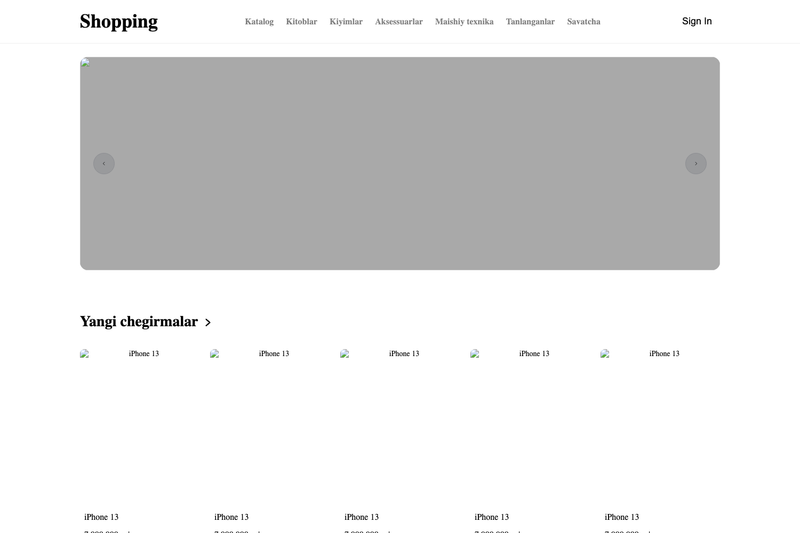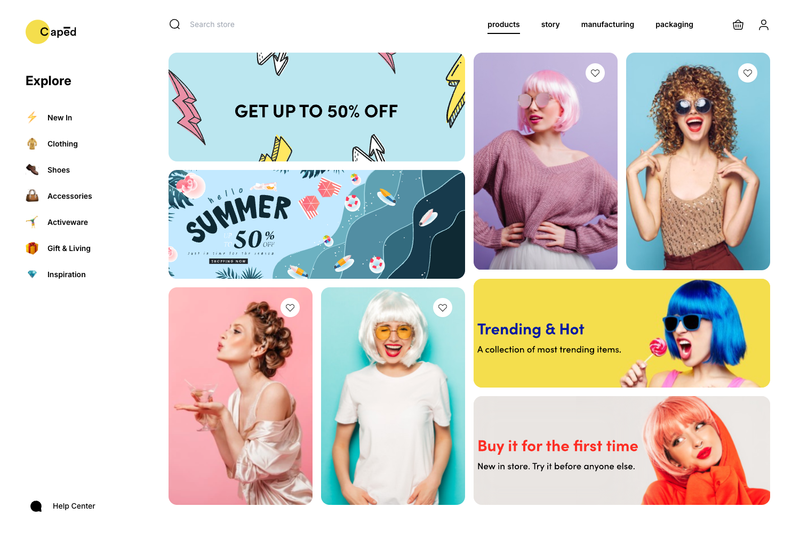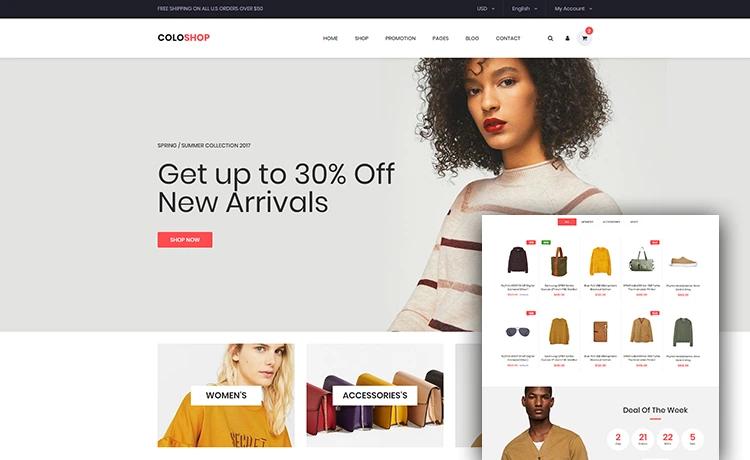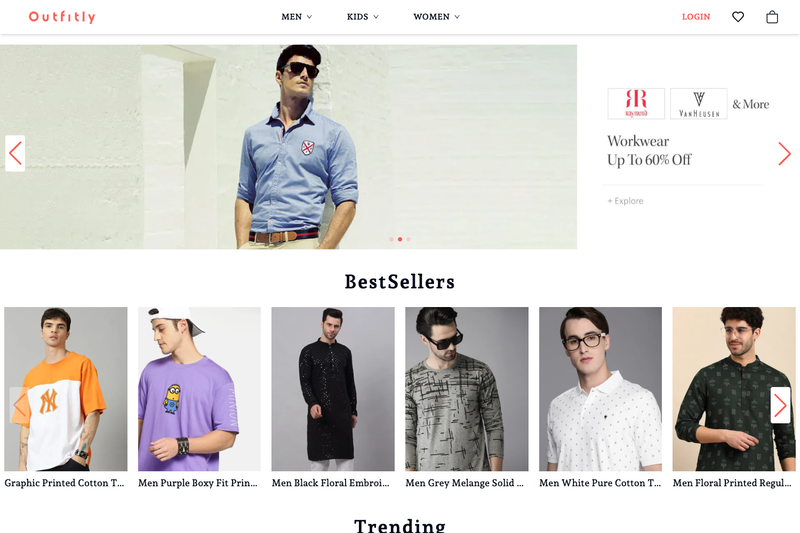
Outfitly is a fashion e-commerce web application that combines a Next.js frontend with a Strapi headless CMS backend, enabling shoppers to browse and purchase trending outfits for men, women, and kids.
What is Outfitly?
Outfitly is a full-stack e-commerce template built with Next.js on the frontend and Strapi headless CMS as the backend. It takes product inventory managed in Strapi and exposes it through GraphQL APIs, then renders a responsive storefront with server-side rendering, image optimization, and file-system based routing. The project runs on Vercel with a live demo and is maintained by GitHub user pranjulagrawal9, with source code publicly available in the outfitly-frontend repository.
Key Features
- Next.js App Router — Uses Server Components and Server Side Rendering for fast page loads, with built-in Image optimization for product photos.
- Tailwind CSS styling — The interface is fully responsive across small devices to large monitors, styled entirely with Tailwind utility classes.
- Strapi headless CMS — Product content is managed in Strapi, with stateless authentication secured by JWT tokens.
- Stripe payments — Customer checkout is processed through Stripe payment integration, handling real transactions.
- GraphQL product queries — Filtering, sorting, and pagination on the products page are powered by GraphQL APIs.
- Formik and Yup validation — The login page includes form handling and validation via Formik and the Yup schema library.
- Redux state management — Redux is included in the frontend stack for managing application state.
Who is it for?
- Developers — A ready-made e-commerce starter for learning or shipping a production storefront using modern React and headless CMS patterns.
- Fashion retailers — Store owners who want a clean, responsive storefront for men's, women's, and kids' clothing with a manageable CMS backend.
- Freelancers and agencies — A customizable base for client e-commerce projects, with clear separation between the Next.js frontend and Strapi backend.
Use cases
- Launching a fashion store: Set up a product catalog, categories, and payment processing through Strapi and Stripe without building from scratch.
- Prototyping product discovery: Use the GraphQL filtering, sorting, and pagination features to demonstrate e-commerce browsing patterns.
- Learning a modern stack: Study a real-world integration of Next.js, Strapi, GraphQL, and Stripe in a single codebase.
How does Outfitly work?
To run Outfitly locally, users clone the repository from GitHub, install NPM packages with npm install, and start the development server with npm run dev. The frontend then connects to the Strapi backend, which serves product data through GraphQL endpoints. A live demo is available at outfitly.vercel.app, and the repository includes test user credentials for trying the login flow.