Newsletter
Join the Community
Subscribe to our newsletter for the latest news and updates

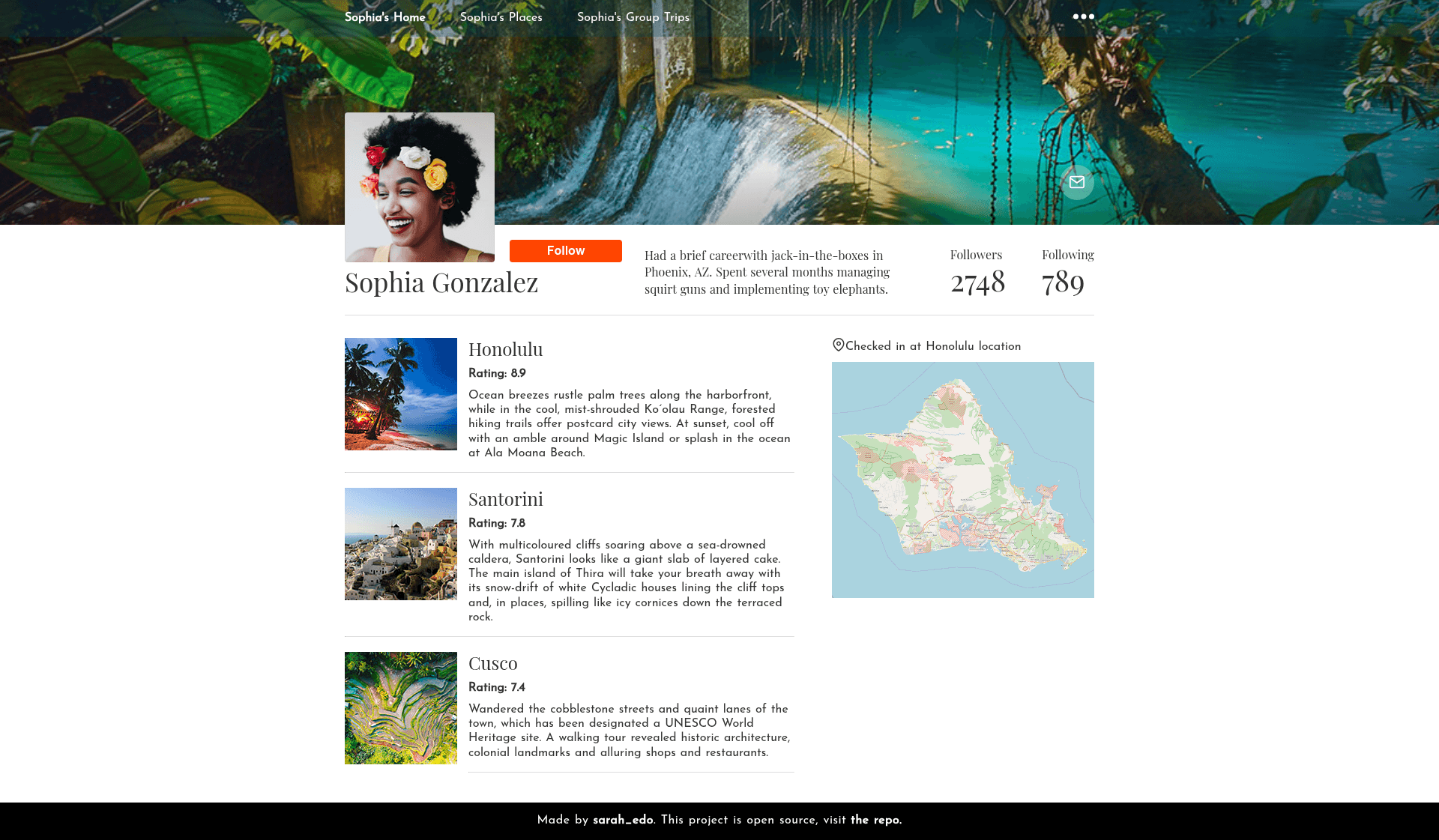
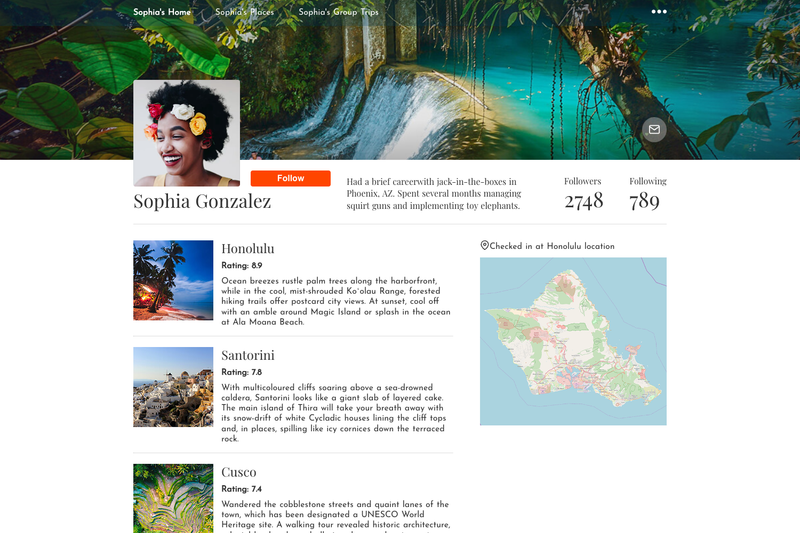
Travel App, Native-like Page Transitions
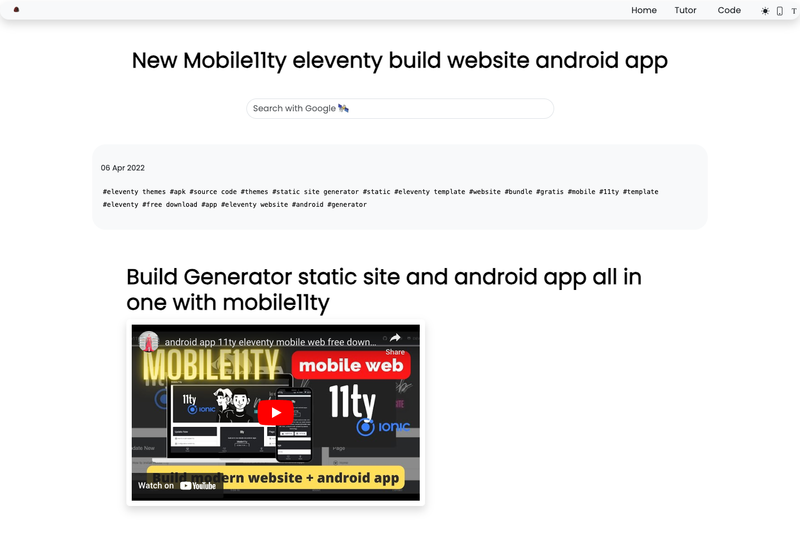
Build mobile website and android app bundle with 11ty eleventy ionic
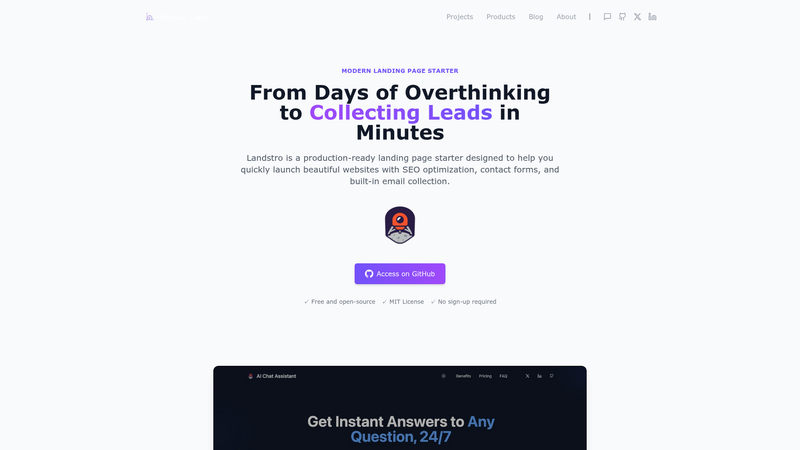
Feature-rich, production-ready starter designed to help you quickly launch beautiful landing pages in minutes, not days.
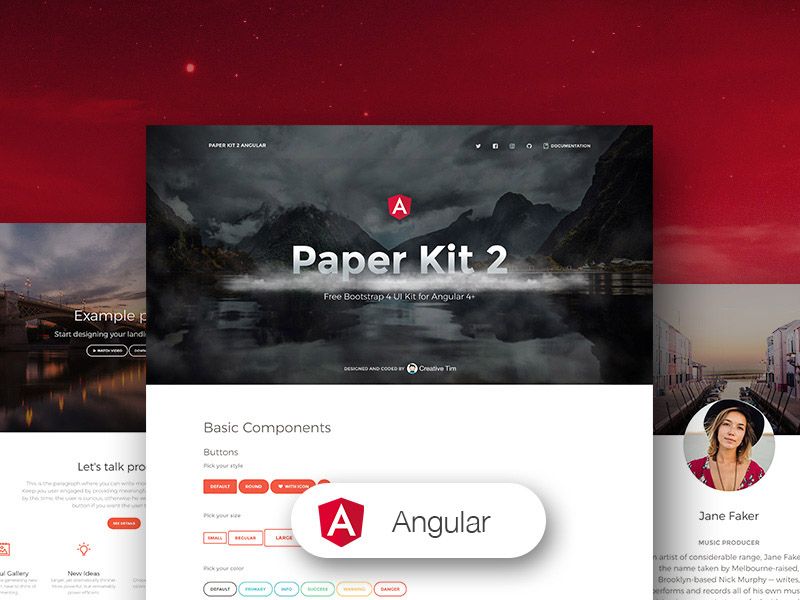
Free Bootstrap 4 UI Kit for Angular with pale colors, paper-inspired design, and responsive components.
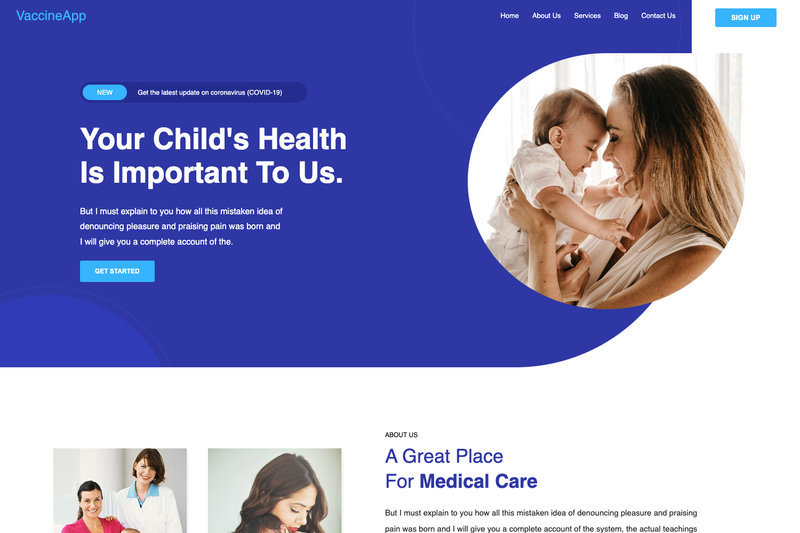
React/SCSS single-page landing template for medical services with service cards, testimonials, hospital search, and newsletter.
Page Transitions Travelapp is a Nuxt.js boilerplate that demonstrates native-like page transitions inside a travel app interface. It is a public GitHub repository with 1,717 stars, built to show how Vue.js applications can achieve smooth, app-like navigation in the browser.
Page Transitions Travelapp is a frontend demo project built on Nuxt.js, the Vue.js framework for universal applications. As input it takes no data or API; it is purely a UI template presenting a multi-screen travel booking experience. As output it produces a complete Nuxt application that can be started in development, built for production, or generated as static HTML. The repository's core purpose is to showcase how page transitions can mimic the feel of a native mobile app on the web.
yarn dev starts a live-reloading server at localhost:3000, so changes appear immediately.yarn build and yarn start run the app on a Node server, while yarn generate creates a fully static site for any hosting provider.yarn generate and deploy to hosting to evaluate the transition performance on mobile browsers.The project follows Nuxt's standard workflow. First, install dependencies with yarn install. Then run yarn dev to start a development server with hot reload at localhost:3000. To deploy, yarn build compiles the app and yarn start serves it; alternatively, yarn generate pre-renders the whole site into static HTML, CSS, and JavaScript files.